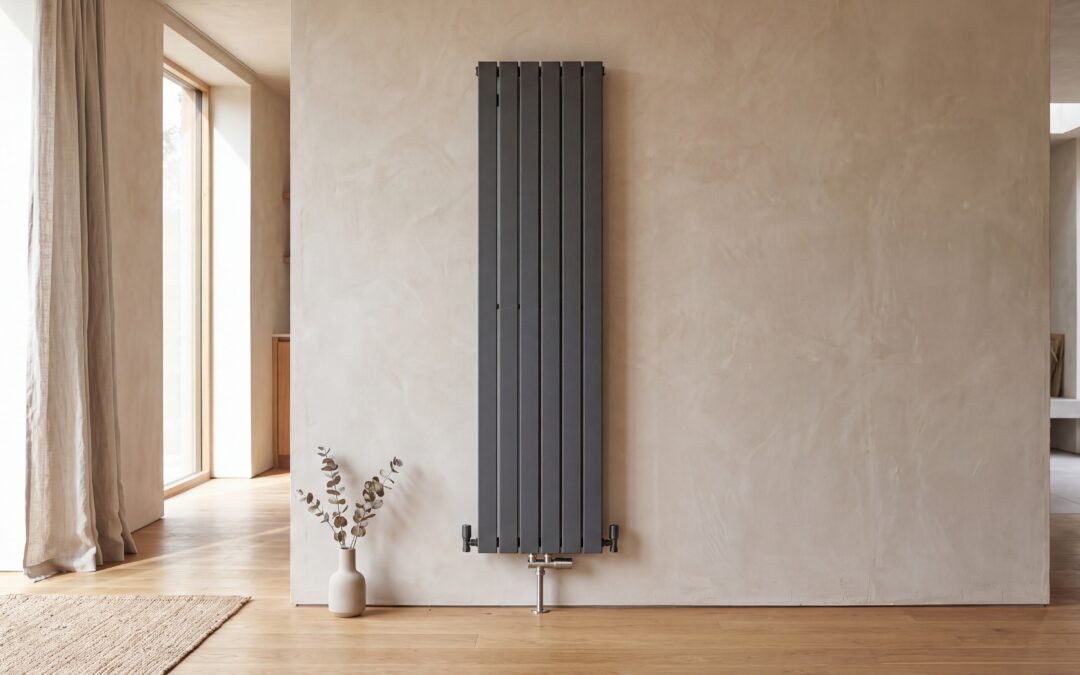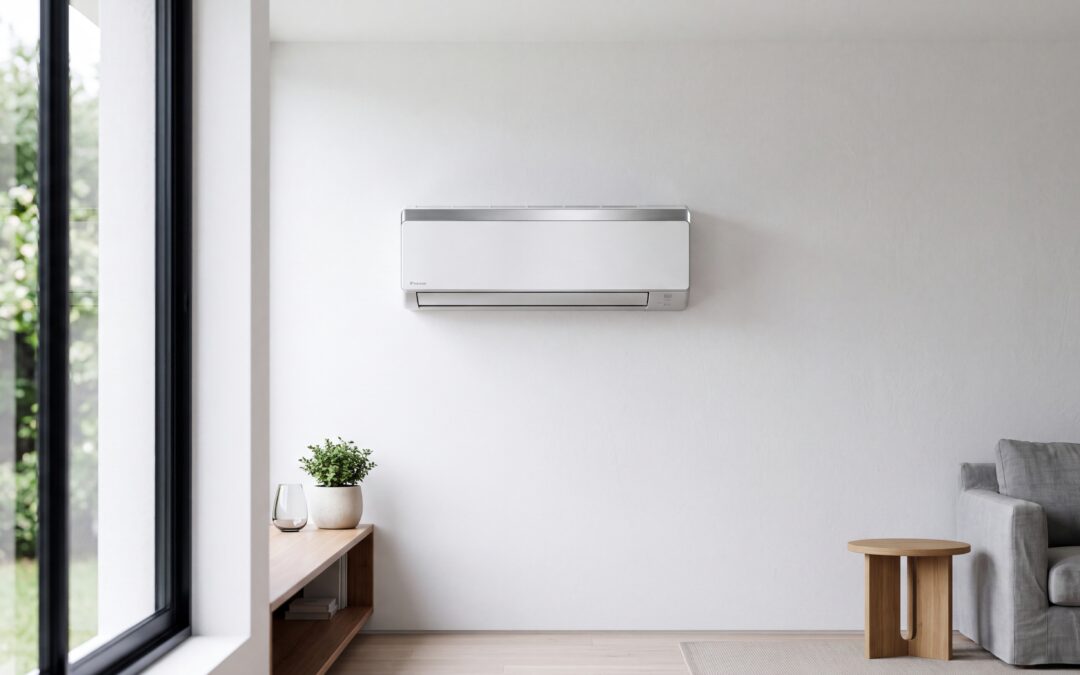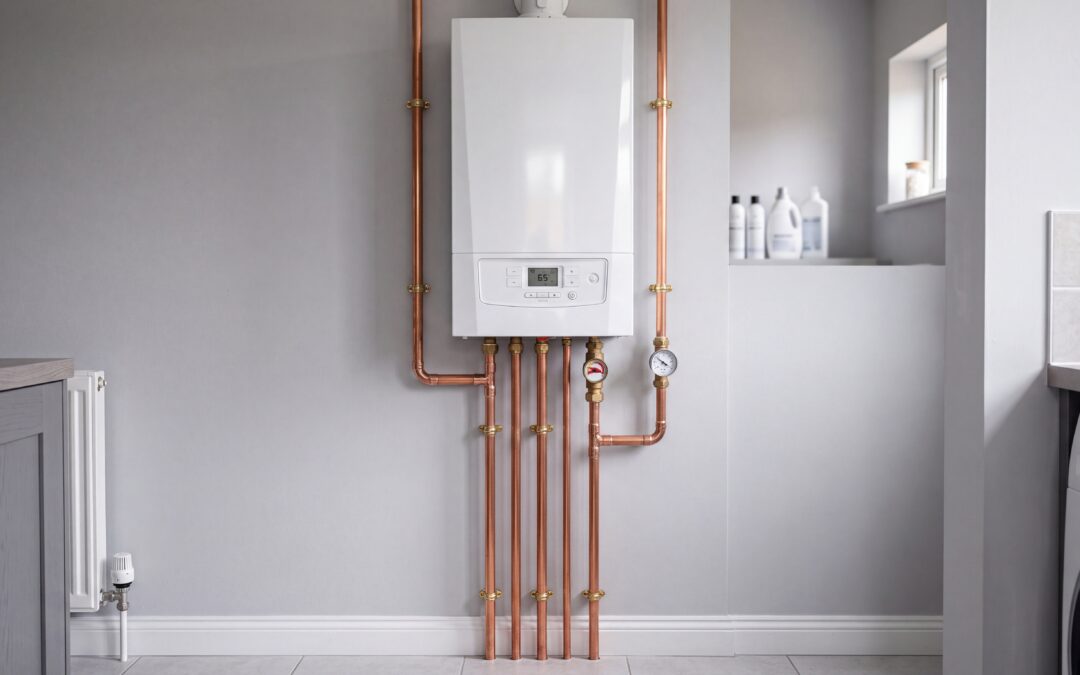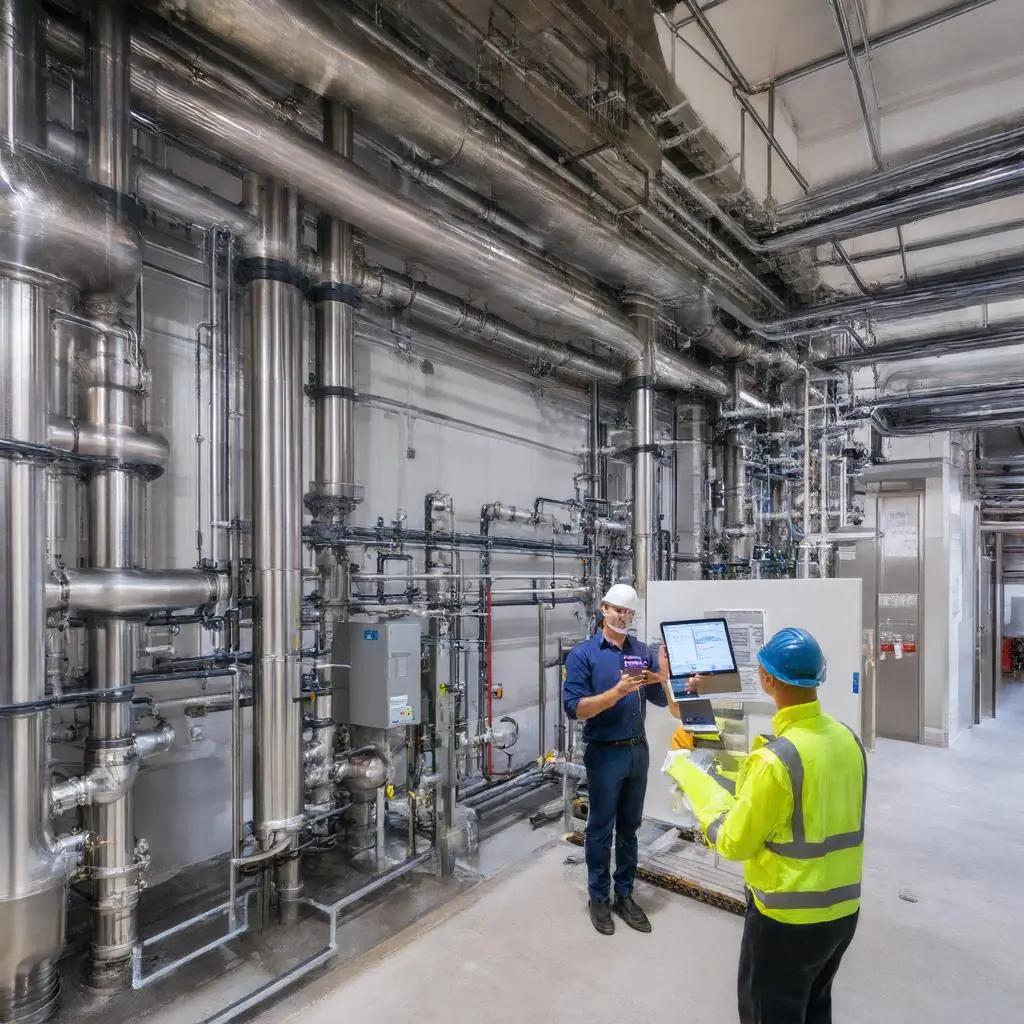
A recent large-scale hotel renovation in the United States offers a useful template for UK property managers planning heating and cooling upgrades. The headline takeaway was simple but powerful: align plant upgrades with broader refurbishments. By scheduling central plant works alongside bedroom, bathroom, lobby, or façade projects, the hotel reduced downtime, consolidated access to risers and plant rooms, and captured economies of scale on labour, access, and commissioning. The project team also took advantage of idle periods (off-season and night shifts), used temporary plant to maintain guest comfort, and implemented a robust measurement-and-verification plan to prove savings.
Why aligning upgrades with refits reduces risk and cost
- Shared access and disruption: When ceilings are down and risers exposed, it is faster and cheaper to replace pipework, add insulation, and run control cabling. This minimises repeat disruption.
- Consolidated procurement: Ordering boilers, pumps, controls, and insulation alongside other building packages can reduce lead times and unit costs.
- Faster commissioning: Integrated commissioning of HVAC, domestic hot water (DHW), and building management system (BMS) saves time and avoids rework.
- Temporary plant planning: If changeovers coincide with low occupancy or shoulder seasons, a temporary boiler, packaged plantroom, or portable heat pump can maintain service with minimal interruption.
Which upgrades typically deliver the strongest returns
- High-efficiency boilers: Modern condensing boilers (properly sized and with return temperatures kept low) can deliver substantial gas savings versus older atmospheric units. Manufacturer-accredited installation unlocks extended warranties and optimised control set-ups.
- Heat pumps and hybrids: For many UK sites, a staged approach—air-source or water-source heat pumps providing base load with high-efficiency gas boilers for peaks—balances decarbonisation, resilience, and cost. Hybrids are effective where heat pump seasonal performance is strong most of the year but peak winter demands are high.
- Variable-speed pumps: Inverter-driven primary and secondary pumps match flow to demand, cutting electrical consumption, reducing noise, and improving comfort. They are some of the fastest payback items.
- Weather compensation: Adjusting flow temperatures to outdoor conditions improves condensing operation and system efficiency while stabilising internal temperatures.
- Smart zoning and controls: Splitting floors, wings, or tenant areas into intelligible zones with occupancy and CO2 feedback prevents overheating/overcooling and supports fairer cost allocation.
- BMS integration: Central visibility of boilers, heat pumps, DHW, AHUs, and metering enables optimal sequencing, alarm management, and remote diagnostics, reducing callouts and energy waste.
- Heat recovery: Plate heat exchangers, run-around coils, and heat pump heat recovery can reclaim energy from exhaust air or process loads, trimming boiler or chiller run-hours.
- Pipework insulation: Upgrading lagging on primary circuits, valves, and flanges is low-cost, high-impact—particularly in older risers and plant rooms where bare metals are common.
- Domestic hot water optimisation: Right-size calorifiers/plate heat exchangers, insulate stores and distribution, set correct pasteurisation regimes, and add smart recirculation controls to cut standing losses.
- Power flushing and balancing: Removing sludge and magnetite restores design flow rates, increases emitter output, and protects new boilers/heat pumps. System balancing ensures even temperatures and reduces pump energy.
- Metering and submetering: Where feasible, add submeters to heat, DHW, and major zones to create accountability and support ongoing optimisation.
Benefits you can bank on
- Lower energy bills: Reduced gas and electricity consumption through higher efficiencies and better controls.
- Improved comfort: Stable temperatures, fewer hot/cold spots, and faster response to occupancy.
- Fewer breakdowns: New plant, cleaner circuits, and trend-based maintenance reduce emergency interventions.
- Better compliance and ratings: Stronger EPC outcomes, smoother ESOS audits, and easier SECR reporting through clear energy data.
- Higher asset value: Modern, efficient, well-documented systems are attractive to investors and tenants and support rent reviews and re-lettings.
From Plan to Payback: How to Deliver a Successful UK Retrofit (with Essex-Specific Guidance)
Plan the project methodically
1) Start with an energy audit
- Review utility data (at least 24 months), normalised for weather (degree days).
- Survey plant condition, control strategies, and distribution (including insulation and valve states).
- Identify no/low-cost measures alongside capital items; build a ranked opportunities list.
2) Conduct lifecycle cost analysis (LCCA)
- Compare options such as condensing boilers, heat pumps, and hybrids over 15–20 years, factoring in capex, efficiency, maintenance, expected fuel price trajectories, carbon costs, and residual value.
- Consider non-energy benefits: comfort, resilience, compliance risk, and tenant retention.
3) Phase the works
- Sequence high-return, low-disruption items first (controls, VSDs, insulation, balancing).
- Align plant replacement with refurbishments or lease events; plan riser works with fit-out schedules.
- Use temporary plant (packaged boilers, mobile plate heat exchangers, rental chillers/heat pumps) to maintain service during changeovers, especially for hotels, care settings, or 24/7 sites.
4) Specify commissioning and aftercare
- Require full pre-commission cleaning/power flushing, chemical dosing, and filtration (dirt and magnetic separators).
- Set clear commissioning criteria: design delta-Ts, flow rates, differential pressures, sensor calibration, and functional testing of safety devices.
- Implement a soft-landings approach: seasonal commissioning, optimisation visits, and a data-led fine-tuning period.
- Put in place a clear maintenance schedule with responsibilities for filter cleaning, sensor checks, valve exercise, and control logic reviews.
Funding pathways for UK businesses
- Green loans: Major banks offer preferential lending for energy efficiency (e.g., “green” or sustainability-linked loans) where projected savings and carbon reductions are evidenced by audits.
- Asset finance: Spread the cost of boilers, heat pumps, BMS, and pumps via hire purchase or leasing; payments can be aligned to expected savings.
- On-bill finance: Some energy suppliers and third parties offer arrangements where repayments appear on your energy bill, simplifying administration.
- Tax relief and allowances:
- Annual Investment Allowance (AIA): 100% first-year deduction on qualifying plant and machinery up to the current threshold (commonly £1m), available to most businesses.
- Full expensing (corporation tax-paying companies): 100% first-year deduction for main-rate plant and machinery, with a 50% first-year allowance for special-rate assets. This can materially improve project NPV.
- Structures and Buildings Allowance (SBA): For qualifying building works where relevant—though many HVAC items fall under plant and machinery.
- Public sector note: Interest-free loans via Salix Finance apply to public bodies rather than private businesses, but can be relevant for local authority or NHS premises.
Available incentives and schemes evolve; consult your finance team and a qualified installer who can provide manufacturer proposals, performance estimates, and documentation to support applications.
How to measure savings post-install
- Establish a baseline: 12–24 months of energy use, weather-normalised (heating degree days) and adjusted for occupancy/operating hours.
- Metering plan: Use existing fiscal meters plus new submeters for boilers/heat pumps, DHW recirculation, and major zones. Configure BMS trend logs at appropriate intervals (e.g., 5–15 minutes).
- KPIs to track:
- kWh/m2 and kWh/occupied room-night (hotels) or kWh/desk (offices).
- Boiler efficiency (stack losses, return temperatures) and heat pump COP/SPF.
- Distribution losses (flow/return temperature deltas; DHW loop temperatures).
- Verification method: Apply a recognised framework such as IPMVP Option C (whole-facility) with routine adjustments for weather and material changes in use. Review monthly, then quarterly, with seasonal recalibration.
- Continuous optimisation: Use data to refine setpoints, schedules, and sequencing. Address anomalies quickly (e.g., drifting sensors, failed valves, air ingress).
Practical tips for Essex-based commercial sites
Selecting the right installer
- Certifications and competence: Ensure Gas Safe registration for gas appliances; F-Gas certification for refrigerant systems; and relevant electrical/control qualifications. Look for manufacturer accreditations (e.g., Worcester-Bosch, Vaillant, Ideal, Baxi) to secure extended warranties and correct commissioning.
- Commercial experience: Choose a partner with proven hotel, office, retail, and multi-unit residential references in Essex areas such as Brentwood, Upminster, Hornchurch, and Southend.
- Transparent process: Seek clear scopes, programme timelines, and risk registers, plus a single point of contact for variations and approvals.
Ensuring resilience and support
- 24/7 response: Critical environments need guaranteed round-the-clock cover with defined SLAs, remote monitoring, and rapid access to parts.
- Temporary plant strategy: Plan for packaged boilers or portable heat pumps during cutovers; confirm electrical and flue/condensate provisions in advance. For DHW, consider temporary calorifiers or plate heat exchangers to maintain hygiene and comfort.
- Stock and spares: Agree a spares holding list (pumps, sensors, actuators, gaskets) and response matrix for alarms (e.g., BMS to engineer callout within set thresholds).
Technical essentials not to overlook
- Correct sizing: Avoid oversizing by using measured loads and diversity factors; oversizing reduces efficiency and increases cycling.
- Low-return temperatures: Design emitters and control to enable condensing boiler operation and favourable heat pump COPs.
- Water quality: Mandate system filters, air/dirt separators, inhibitor dosing, and periodic sampling to protect new plant.
- Balancing and controls: Commission differential pressure controllers and TRVs; verify time schedules, weather compensation curves, and occupancy logic.
- Documentation: O&M manuals, as-built drawings, asset registers, gas safety records, F-Gas logs, and a written scheme of examination where pressure systems regulations apply.
For property managers, the US hotel case distils into a UK-ready approach: tie plant upgrades to your wider refurbishments, prioritise high-return measures, fund them intelligently, and prove the results with robust data. In Essex, work with a locally accountable, Gas Safe registered team that can support both domestic and commercial systems, provide 24/7 emergency cover, integrate modern controls and BMS, and deploy temporary plant to keep your site running. With the right partner and plan, you will lower operating costs, improve comfort, strengthen compliance and EPC outcomes, and future-proof your asset for the decade ahead.