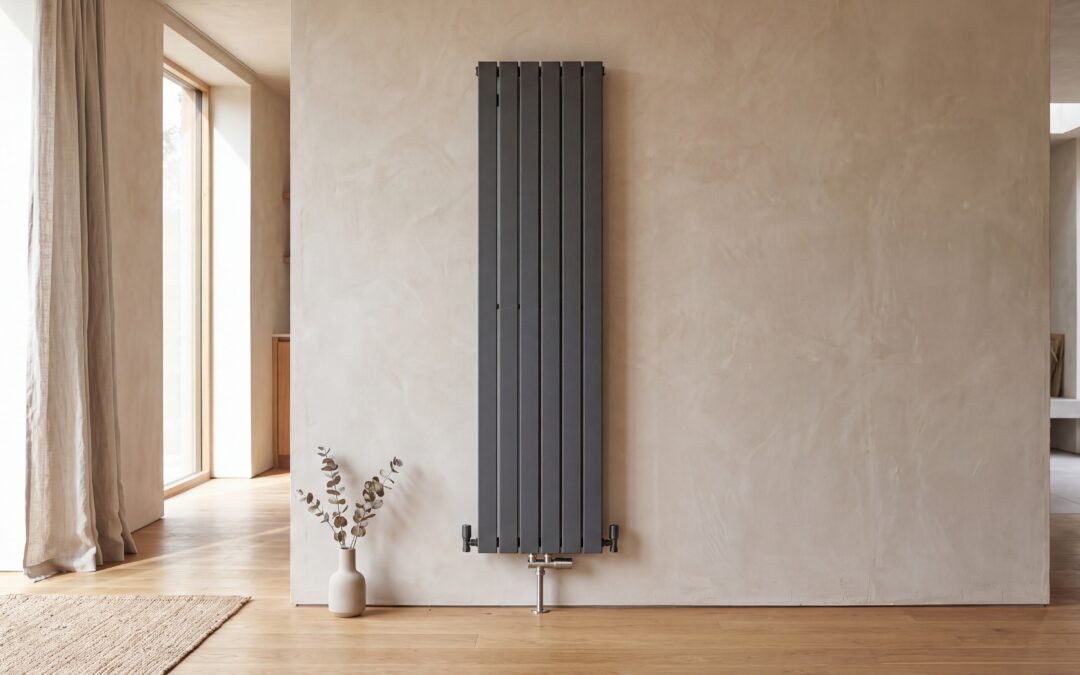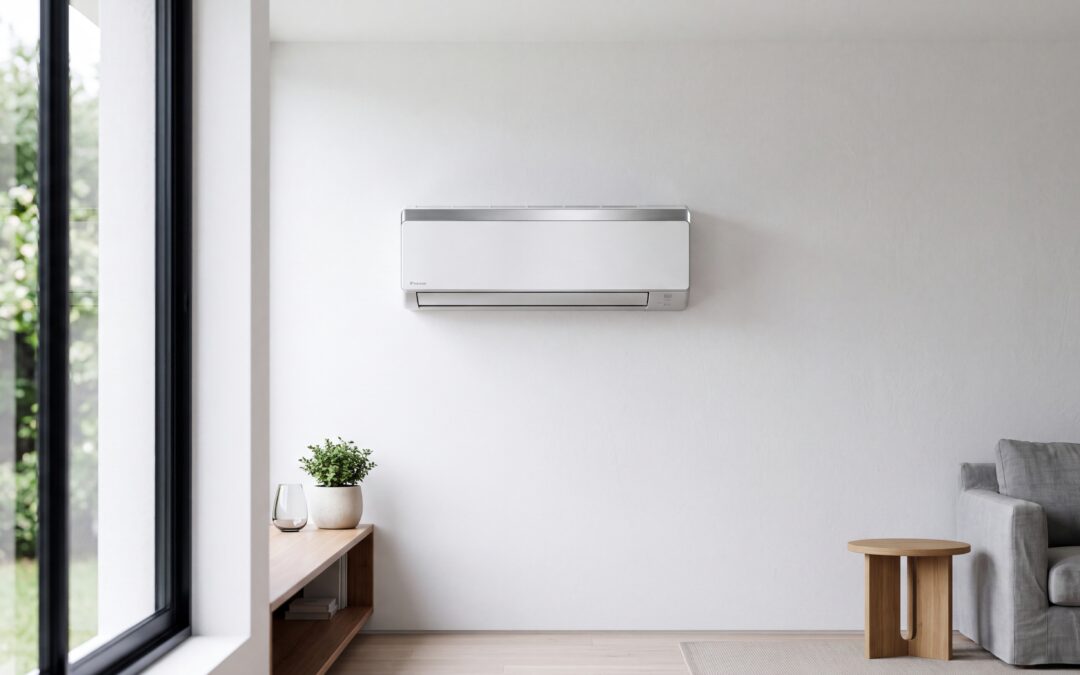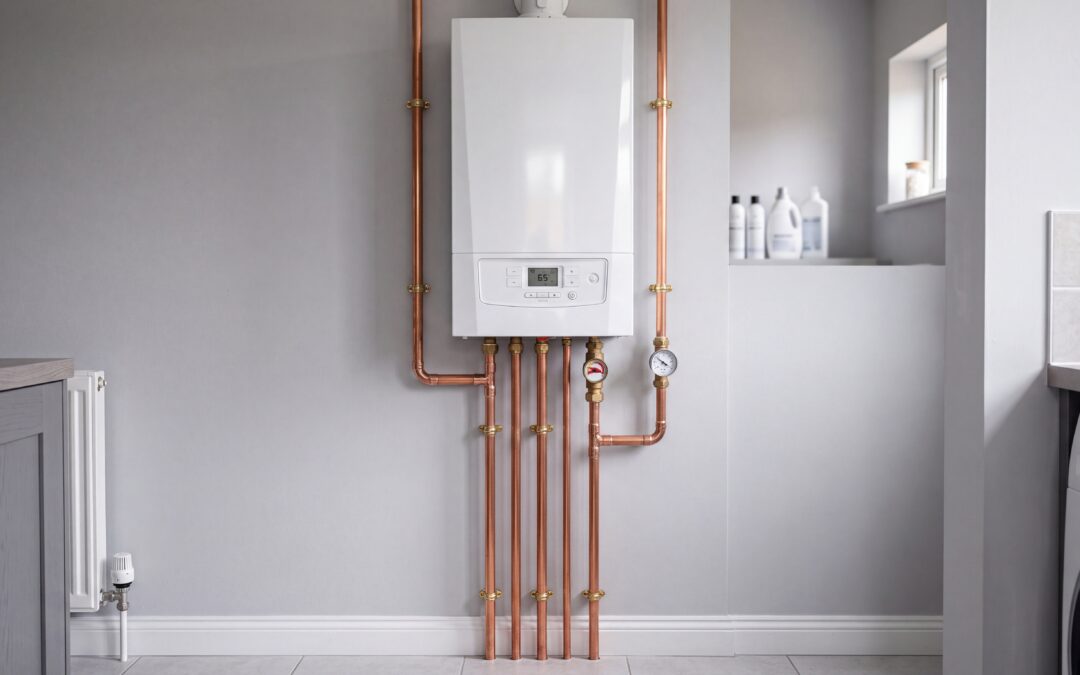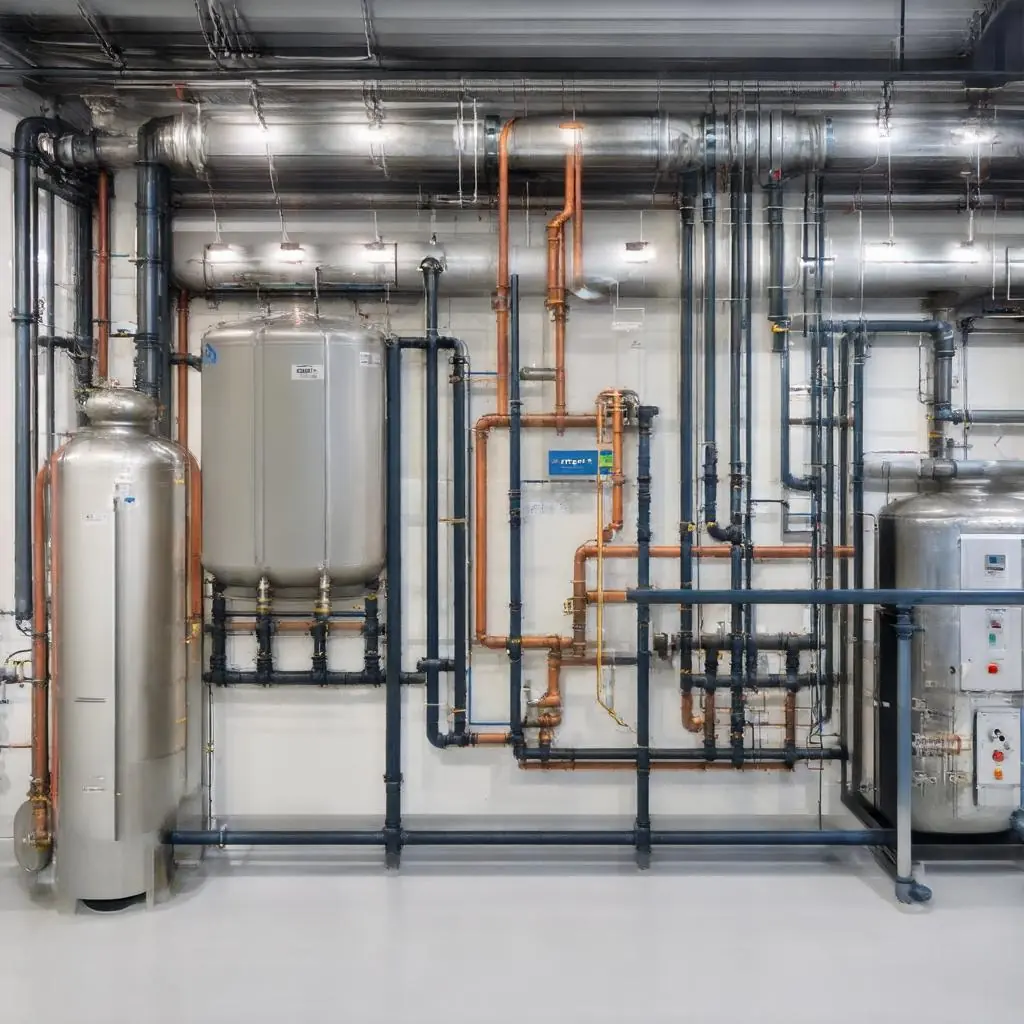
Across the UK, many councils are modernising heating systems in schools, libraries, healthcare facilities, leisure centres and other public buildings. Replacing ageing gas, oil or poorly performing biomass plant with high‑efficiency, low‑carbon technologies is not simply an environmental gesture—it is a strategic investment in comfort, resilience and long‑term affordability. In our region of Essex, similar modernisations can deliver lasting benefits for the environment and for public budgets, while setting a standard that private households and businesses can follow.
The sustainability case rests on three pillars:
-
Substantial carbon reductions. Modern systems—such as high‑efficiency condensing boilers, heat pumps and hybrid solutions—use far less energy for each unit of heat delivered. When paired with clean electricity and smart controls, heat pumps in particular can cut operational emissions significantly compared with like‑for‑like fossil alternatives.
-
Lower whole‑life costs. While the capital outlay can be higher, well‑designed upgrades reduce energy consumption, maintenance frequency and unplanned downtime. Over the lifetime of the system, total cost of ownership typically falls, aided by better control strategies, predictive maintenance and manufacturer warranties.
-
Better comfort and reliability for users. Public buildings are more productive and welcoming when temperatures are stable, hot water is dependable, noise and draughts are reduced, and systems are responsive to occupancy patterns. Modern plant, emitters and controls deliver these outcomes.
What does an effective energy upgrade look like?
-
High‑efficiency plant. Moving from non‑condensing to condensing gas boilers can immediately raise seasonal efficiency. Where fabric and heat distribution permit, air‑source or water‑source heat pumps can decarbonise further. In constrained sites, hybrid systems (heat pump plus high‑efficiency boiler) can manage peak loads while still cutting emissions across most of the year.
-
Optimised distribution. Many older systems are designed for high flow temperatures. Upgrades often include low‑temperature radiators or fan‑convectors, underfloor heating in selected zones, thermostatic radiator valves (TRVs), hydraulic balancing and variable‑speed pumps. These measures reduce losses and enable heat pumps or condensing boilers to operate at their most efficient.
-
Smart controls and building management. Weather compensation, occupancy‑based set‑backs, zoning, and modern building management systems (BMS) ensure heat is provided where and when it is needed—no more and no less. The data these systems generate allows facilities teams to refine schedules, identify faults early and verify savings.
-
Domestic hot water (DHW) improvements. Plate heat exchangers, right‑sized storage and improved recirculation design reduce energy waste and improve hygiene. Controls that balance efficiency with legionella prevention are critical in public settings.
-
Water quality management. Power flushing to remove sludge and magnetite, inhibitor dosing and filtration protect new plant and emitters, restore design flow rates and improve efficiency. This is often a high‑value step in both public and private buildings.
-
Fabric measures and sequencing. Although the focus here is heating, sensible insulation, glazing improvements and air‑tightness upgrades (“fabric first”) reduce heat demand and enable lower flow temperatures, especially important for heat pumps. Sequencing fabric and plant upgrades ensures the new system is correctly sized.
Beyond technical performance, public sector upgrades bring operational advantages:
-
Resilience to energy price swings. More efficient systems and diversified energy sources reduce exposure to price volatility, aiding budget planning.
-
Regulatory compliance. Upgrades support compliance with evolving standards and guidance on energy performance and carbon reporting for public estates.
-
User experience and health. Improved thermal comfort and air quality support staff productivity, learning outcomes in schools, and patient wellbeing in healthcare environments.
These benefits are equally relevant in Essex councils and public institutions, where buildings often vary widely in age and condition. A measured, data‑led approach—starting with detailed surveys, heat loss calculations and metered baselines—ensures the right solution for each site, whether that is a full heat pump transition, a phased hybrid arrangement, or a high‑efficiency boiler upgrade with improved controls and distribution.
Challenges, Practical Solutions, and Lessons for Homes and Businesses
Energy retrofits in public buildings are not without challenges. However, with careful planning and the right partners, these are manageable—and the same principles apply to commercial premises and homes across Brentwood, Upminster, Hornchurch, Southend and the wider Essex region.
Key challenges and how to address them:
-
Upfront investment and funding. Capital cost can be a barrier. Public bodies often sequence works to align with budget cycles and leverage available grants or incentives. For private property owners, life‑cycle cost analysis frequently shows that reduced running costs and warranties offset higher initial spend over time.
-
Legacy constraints. Listed façades, limited plant room space, undersized radiators or restricted electrical capacity can make “textbook” solutions impractical. Hybrid systems, modular plant, careful emitter upgrades and staged electrical works often provide a pragmatic pathway.
-
Disruption to building users. Schools, offices and community spaces need to remain operational. Phased works, pre‑fabricated plant skids, out‑of‑hours installation and robust temporary heating plans reduce disruption. Clear communication with users is essential.
-
Quality assurance and competency. The performance of any technology depends on design and workmanship. Selecting accredited, experienced installers and insisting on proper commissioning, water treatment and documentation protects outcomes. For gas appliances and work on gas systems, Gas Safe registration is mandatory.
-
Operations and maintenance. Energy savings persist only if the system is maintained. Planned preventative maintenance, remote monitoring, periodic rebalancing and user training keep performance on track.
What can households and businesses learn from public sector upgrades?
-
Start with the data and get the sizing right. A professional survey, heat loss assessment and, where possible, metered baselines lead to correctly sized plant. Oversized boilers and heat pumps cycle inefficiently and fail prematurely; undersized emitters force higher flow temperatures. Right‑sizing is the bedrock of efficiency.
-
Prioritise controls and zoning. Smart controls, weather compensation and zoning often provide rapid payback. Even in smaller homes, programmable room thermostats, TRVs and sensible schedules can cut consumption without compromising comfort.
-
Mind the water quality. Sludge and corrosion rob systems of performance. Power flushing, inhibitor dosing and magnetic filtration protect your investment—particularly important before installing a new boiler or switching to lower‑temperature operation.
-
Consider a phased pathway. If a full heat pump transition is not yet practical—due to fabric, budget or electrical constraints—a staged approach makes sense: improve insulation, upgrade emitters, add smart controls and install a high‑efficiency condensing boiler today, while planning toward a future heat pump or hybrid solution.
-
Evaluate total cost of ownership. The lowest initial quote is not necessarily the best value. Factor in efficiency, maintenance, expected lifespan, available guarantees and the installer’s support model. Manufacturer‑backed warranties (often up to 10 years on selected Worcester‑Bosch, Vaillant, Ideal or Baxi boilers) can be a decisive advantage.
-
Choose an experienced, local partner. A team that understands regional building stock, can respond quickly and stands behind its work reduces risk and hassle.
As a locally owned company serving Brentwood and the wider Essex area—including Upminster, Hornchurch and Southend—Brentwood Heating Ltd supports both commercial and domestic clients through this transition. Our Gas Safe registered engineers design, install and maintain:
-
Boiler upgrades, repairs and servicing across leading brands (Worcester‑Bosch, Vaillant, Ideal, Baxi), with access to attractive manufacturer guarantees on selected models.
-
Central heating installations and distribution improvements, including zoning, emitter upgrades and smart controls.
-
Heat‑loss‑driven system right‑sizing, commissioning, water treatment and power flushing to safeguard performance.
-
Planned and reactive maintenance, supported by 24/7 emergency call‑outs to keep critical spaces operational.
-
Gas safety certification for compliance and peace of mind.
-
Complementary plumbing works, from hot water systems to bathroom design and installation, enabling efficient coordination during wider refurbishments.
Whether you manage a public estate, oversee a commercial portfolio or own a home, the direction of travel is clear: energy‑efficient, low‑carbon heating delivers measurable benefits in cost, comfort and carbon. The public sector’s experience shows that success depends on sound surveys, appropriate technology choices, diligent installation and ongoing care.
If you are considering an upgrade in Brentwood or anywhere in Essex, we can provide a tailored assessment and quotation aligned to your building, budget and timeline. Our goal is straightforward: reliable, hassle‑free solutions that lower energy use today and prepare your property for the future.