In 2025, buyers across Brentwood, Upminster, Hornchurch, Southend, and the wider Essex market continue to prioritise efficient, low-maintenance homes that feel contemporary, flexible, and comfortable year-round. Improvements that lift energy performance, make living spaces more adaptable, and present a crisp exterior typically deliver the strongest return on investment when it comes time to sell or re-let. The following upgrades consistently strengthen both buyer appeal and long-term value.
-
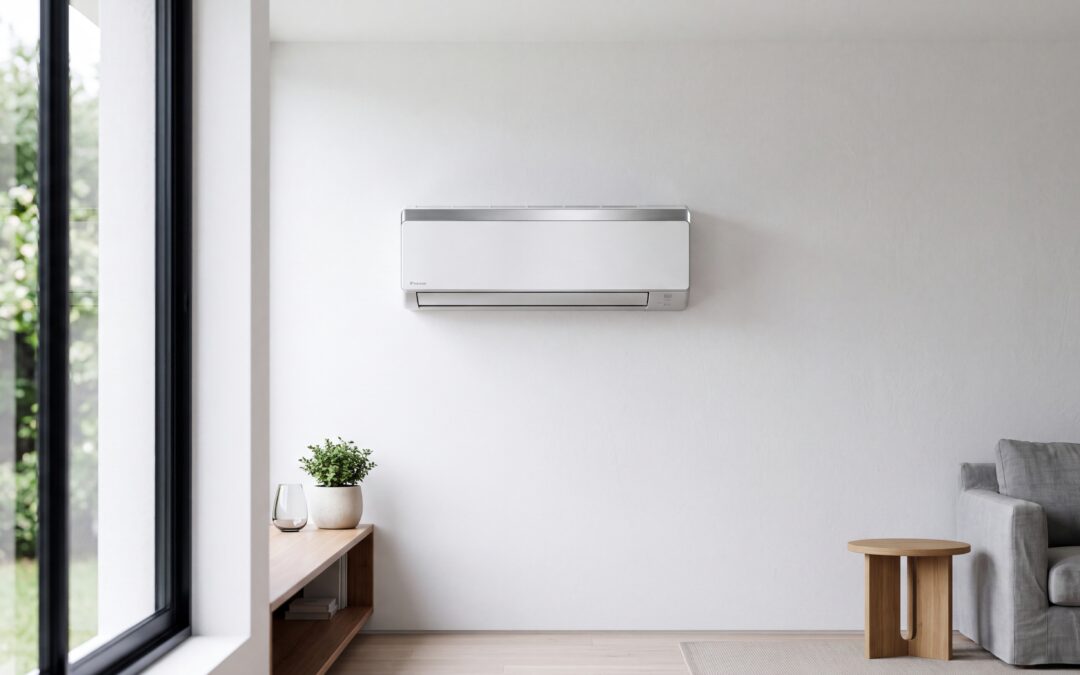
Energy-efficient heating, hot water, and controls
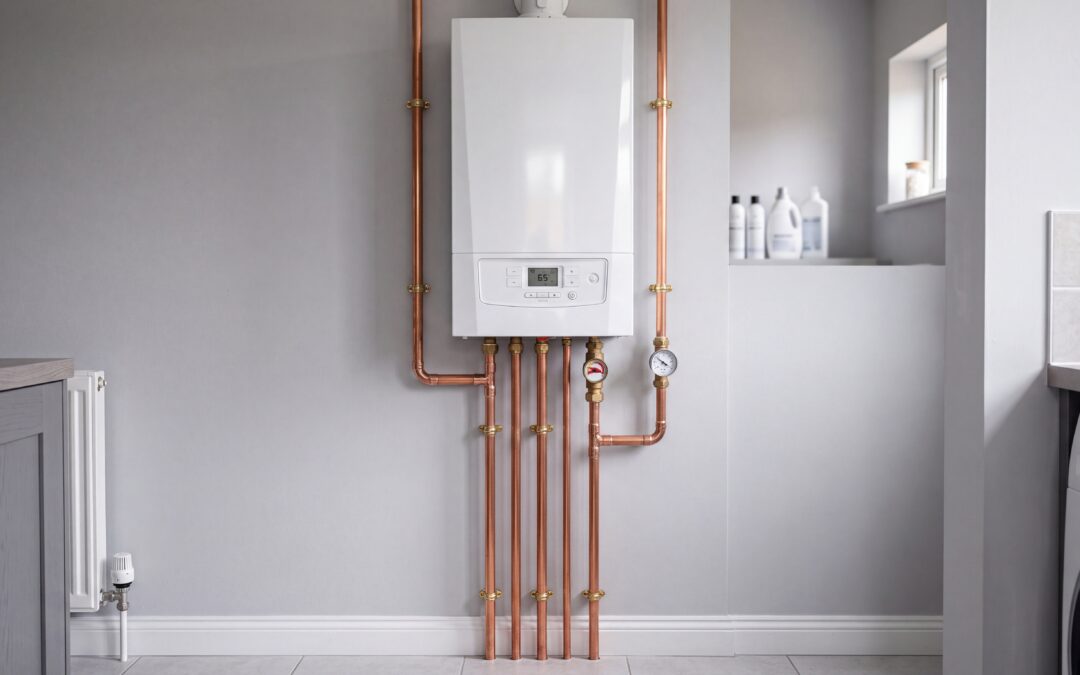
- Replace ageing boilers with modern, high-efficiency models from proven brands. When installed by accredited engineers, leading manufacturers (for example, Worcester Bosch, Vaillant, Ideal, and Baxi) often offer extended guarantees of up to 10 years, which reassures buyers and reduces running costs.
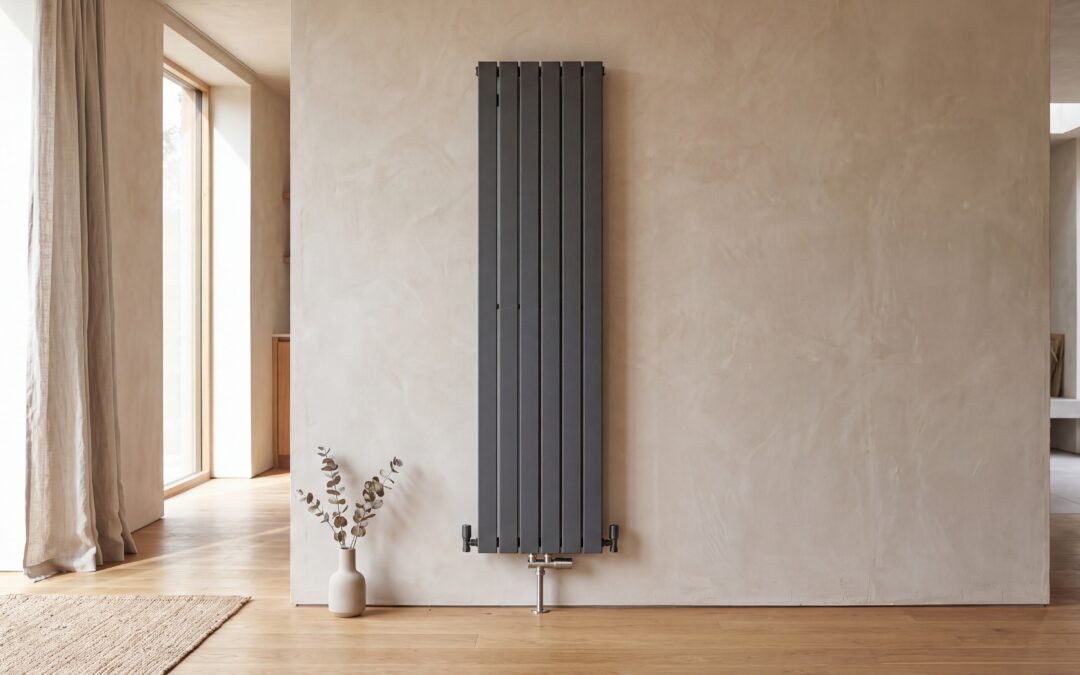
- Add smart heating controls and thermostatic radiator valves (TRVs) to create zones and schedule heat precisely. Smart thermostats remain one of the most cost-effective “smart home” upgrades because buyers understand the savings and daily convenience.
- Power flush older systems, fit a magnetic filter, and rebalance radiators. These relatively modest works can restore efficiency, reduce boiler strain, and demonstrate diligent maintenance—a quiet signal to buyers that a property has been looked after.
- For larger or commercial properties, consider weather-compensation controls or a basic building management setup for timed heating and hot water. Documented optimisations and service records add credibility at sale.
-
Conservatories and glazed living spaces that work year-round
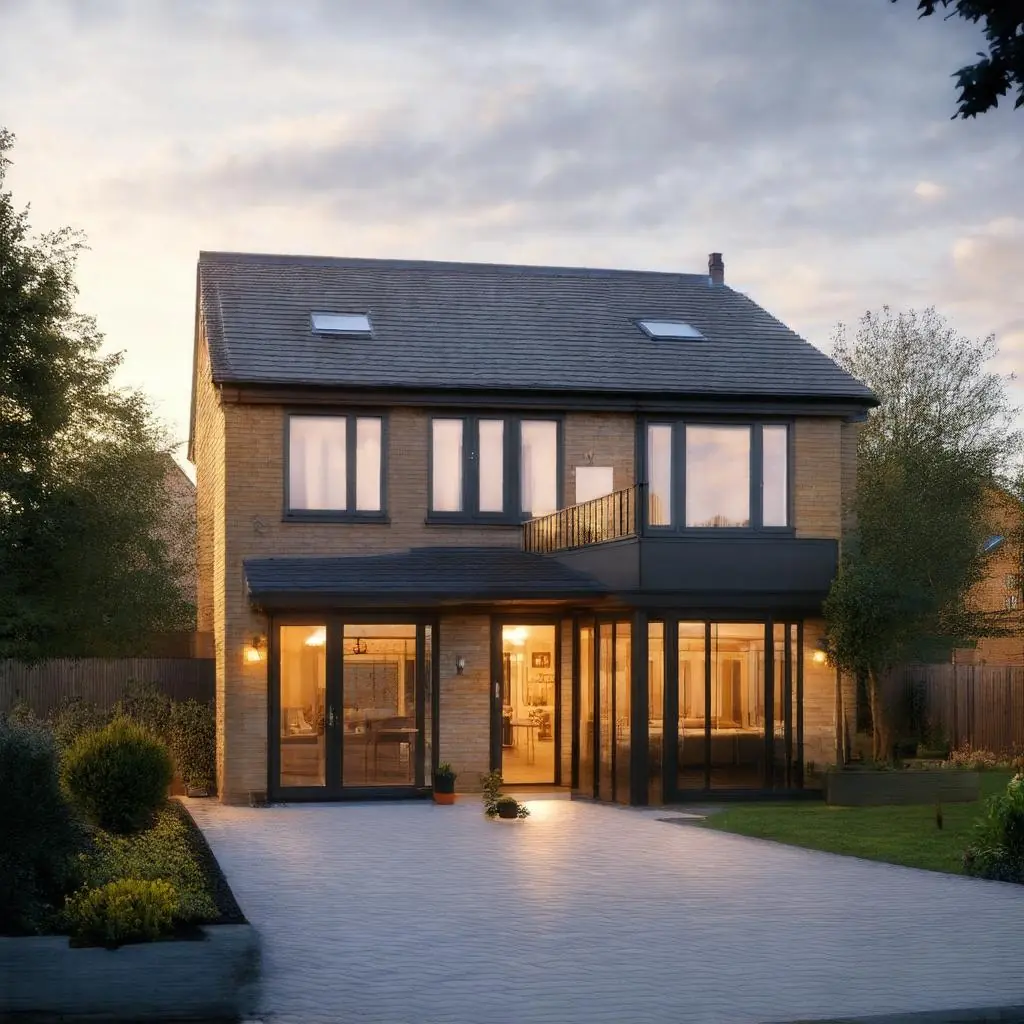
- A well-specified conservatory or garden room continues to add value, provided it is comfortable in all seasons. Prioritise high-performance glazing with solar control, roof insulation, trickle ventilation, and shading solutions to prevent summer overheating and winter heat loss.
- Integrate heating properly. Where appropriate, consider a separately controlled zone (for example, underfloor heating with a dedicated thermostat) so the space is efficient and compliant. A room that genuinely functions as a dining area, playroom, or home office commands a premium over a purely seasonal “sun room.”
- Ensure clarity on planning permissions, Building Regulations, and any requirements for thermal separation from the main house. Buyers and surveyors respond positively when documentation is complete and available.
-
Landscaped gardens that extend living space
- Outdoor areas that are tidy, low maintenance, and well-zoned can materially elevate perceived value. Simple improvements—clear pathways, a quality patio or decking area, raised beds, and evergreen structure—create a usable “outdoor room.”
- Add practical touches buyers appreciate: exterior lighting, an outdoor socket, a modern tap with backflow protection, discreet storage, and defined seating. In Essex markets where families are active buyers, safe play space and privacy screening matter.
- Plan for durability and drainage. Permeable surfaces and good falls reduce future maintenance and the risk of pooling water. Thoughtful planting reduces upkeep and keeps gardens looking presentable for viewings year-round.
-
Kerb appeal and exterior refresh
- A clean, sound exterior can lift a home’s presentation within days. Repair pointing and render, jet-wash brickwork and paving, repaint fascias and soffits, and ensure gutters and downpipes drain freely. Replace damaged cladding or tiles before marketing.
- Upgrade the front door and external lighting for security, efficiency, and a welcoming first impression. Modern composite doors, secure locks, and energy-efficient glazing can be standout features in listing photos.
- Review windows. Professionally installed, high-quality units (with appropriate certification) improve EPC scores, acoustics, and thermal comfort—three buyer concerns that rank highly post-2020.
-
Flooring and interior finishes that feel fresh and durable
- Replace tired carpets or dated laminate with durable, neutral finishes such as luxury vinyl tile (LVT) or engineered wood in living areas, and quality carpet with acoustic underlay in bedrooms. Buyers notice the difference underfoot.
- In kitchens and bathrooms, consider underfloor heating for comfort and a perception of premium quality. Where budgets are limited, target high-wear spaces first and maintain consistency of tone and materials across adjacent rooms.
- Refresh skirting, architraves, and door furniture to unify spaces. Small details contribute to an overall sense of quality that persuades buyers to pay a little more.
-
Kitchens and bathrooms: refreshes that outperform overhauls
- Full refits can be costly and do not always return what they cost. In many cases, focused refreshes—new worktops, handles, taps, splashbacks, lighting, and appliance updates—deliver a near-new look at a fraction of the spend.
- In bathrooms, prioritise good extraction to control moisture, modern thermostatic shower sets, and clean, bright surfaces. A tidy, well-ventilated bathroom signals a dry, healthy home.
-
Smart home features that actually help
- Choose devices that reduce running costs or risk: smart thermostats, leak detection sensors with automatic shutoff valves, and smart smoke/CO alarms. Buyers value practical benefits and safety over novelty.
- Ensure your home network is reliable and devices are interoperable (look for widely supported standards). A simple, robust setup beats a complicated system that future owners may not want to maintain.
-
Documentation that underpins value
- Keep service histories for heating and hot water systems, warranties for appliances and boilers, installation certificates (for example, Gas Safe, electrical, and windows), and any planning or Building Regulation approvals.
- For landlords and commercial property managers, current gas safety records and maintenance logs are essential. Demonstrable compliance reduces buyer risk perception and supports stronger offers.
-
Commercial and multi-unit considerations
- In mixed-use and commercial portfolios, controls that reduce energy consumption—zoning, timed operation, and remote monitoring—improve net operating income and appeal to investors. Reliability matters as much as style; systems set up to minimise downtime and call-outs are viewed favourably.
Renovations to Approach with Caution and How to Plan Upgrades that Pay
Not every spend translates into value. Some projects are expensive to run, polarise buyers, or create ongoing liabilities. A disciplined plan safeguards budget and protects resale prospects.
-
Approach with caution
- Overly bespoke or luxury features. Niche media walls, built-in aquariums, and statement finishes that suit only a narrow taste often deliver a weak return. Aim for a neutral backdrop buyers can personalise.
- High-maintenance water features, hot tubs, or swimming pools. These can deter buyers concerned about upkeep, safety, and energy costs, especially in family-oriented Essex suburbs.
- Excessive glazing without thermal strategy. Poorly specified conservatories or large bi-fold openings without shading or adequate ventilation can create overheating and condensation problems. If a space is uncomfortable to use, it will not add value.
- Conversions that reduce bedroom count or storage. Merging two bedrooms into one large suite or converting a garage without compliant insulation and approvals can depress value versus comparable properties.
- Fashion-led finishes that date quickly. Ultra-dark interiors, highly patterned tiles across large areas, or trend-dictated colours can require expensive redecoration before sale.
- Cheap materials in high-wear zones. Low-cost laminate in kitchens and halls, or bargain bathroom suites with poor fittings, tend to fail early and become a liability during surveys.
- DIY electrical or gas work. Non-compliant works are flagged in surveys, slow transactions, and require remedial expenditure. Always use appropriately qualified and registered professionals.
- Overcomplex smart tech. Proprietary systems that need subscriptions or specialist maintenance can be a burden. Choose reliable, mainstream solutions that are easy for the next owner to adopt.
- Solar or EV works without fabric-first basics. Panels, batteries, or chargers can be excellent investments, but if the roof covering is near end-of-life, insulation is poor, or the consumer unit lacks capacity, tackle those fundamentals first. Otherwise, you risk rework and diminished returns.
-
Planning updates that attract buyers in 2025
- Start with an objective inspection. Identify the age and condition of the boiler and cylinder, check system pressures, look for cold radiators or sludge, assess windows and doors, inspect roof and gutters, and note any signs of damp. Fixing fundamentals before visible upgrades is the most cost-effective route to value.
- Target energy efficiency early. Improvements that raise EPC ratings and reduce bills—efficient heating, controls, sealing drafts, and upgrading glazing where appropriate—continue to command premium interest from buyers and tenants.
- Prioritise projects with daily impact. Heating comfort, hot water reliability, modern lighting, smooth flooring transitions, and a tidy exterior are felt at every viewing. These elements influence first impressions and survey outcomes.
- Balance “refresh” and “replace.” Mid-range, well-executed updates usually outperform top-end remodels on return. In kitchens and baths, keep existing layouts if they work; move services only when function will materially improve.
- Plan the sequence. Do heating and plumbing works before flooring and decorating. Fit extraction and ventilation before tiling. Book power flushing ahead of boiler replacement to protect the new unit and preserve warranties.
- Mind compliance and certification. Use Gas Safe registered engineers for gas appliances, ensure electrical works are certified, and retain documentation for windows and structural alterations. Buyers value paperwork as much as the upgrades themselves.
- Design for low maintenance. Choose durable finishes, easy-to-clean surfaces, and quality fixtures with available spares. This reduces future service calls and reassures risk-averse buyers.
- Keep style timeless; add personality with accessories. A neutral base palette, warm lighting, and natural textures present well in photographs and in person, appealing to a broad audience across the Essex market.
- Consider seasonality and timing. Exterior painting, roofing, and landscaping are weather-dependent; scheduling these ahead of listing avoids delays. Heating upgrades are often easier to schedule outside peak winter demand.
- Budget with contingency. Set a realistic budget with a 10–15% contingency and obtain multiple written quotations. Favour contractors who explain options clearly, outline risks, and provide firm timelines.
- Think whole-life cost, not just upfront price. An efficient boiler with a strong warranty, proper controls, and a documented service plan may cost slightly more initially but typically pays back through lower energy and maintenance costs—and a smoother survey.
-
Practical combinations that work well together
- Conservatory or garden room upgrade + zoned heating + solar-control glazing + shading. Result: a space that truly functions in all seasons and photographs beautifully.
- Boiler replacement + system power flush + TRVs + smart thermostat. Result: lower running costs, better comfort, and a compelling line in your property listing about efficiency and control.
- Exterior refresh + front door upgrade + driveway tidy + garden lighting. Result: strong kerb appeal and improved security, boosting viewing numbers and buyer confidence.
- Kitchen refresh (worktops, taps, lighting) + durable flooring + improved extraction. Result: a modern feel without the cost and disruption of a full refit.
-
For landlords and commercial property managers
- Focus on reliability, compliance, and predictable operating costs. Evidence of recent servicing, gas safety certification, and proactive system maintenance reduces void periods and protects asset value.
- In multi-tenant or commercial settings, zoning and smart scheduling of heating and hot water reduce energy spend and service calls—advantages that investors and corporate tenants increasingly expect.
In summary, the best-performing improvements in 2025 share a common thread: they make the home more comfortable, efficient, and easy to live in, while avoiding complexity and high ongoing maintenance. By prioritising energy-efficient heating and controls, creating outdoor spaces that genuinely extend living, presenting a crisp exterior, and refreshing floors and key rooms with durable, neutral finishes, homeowners across Essex can strengthen both everyday enjoyment and future resale value. Equally, a cautious approach to trend-led or maintenance-heavy projects helps protect budgets and prevent surprises at survey. Partnering with qualified, locally experienced trades and retaining full documentation will ensure upgrades translate into buyer confidence when it matters most.