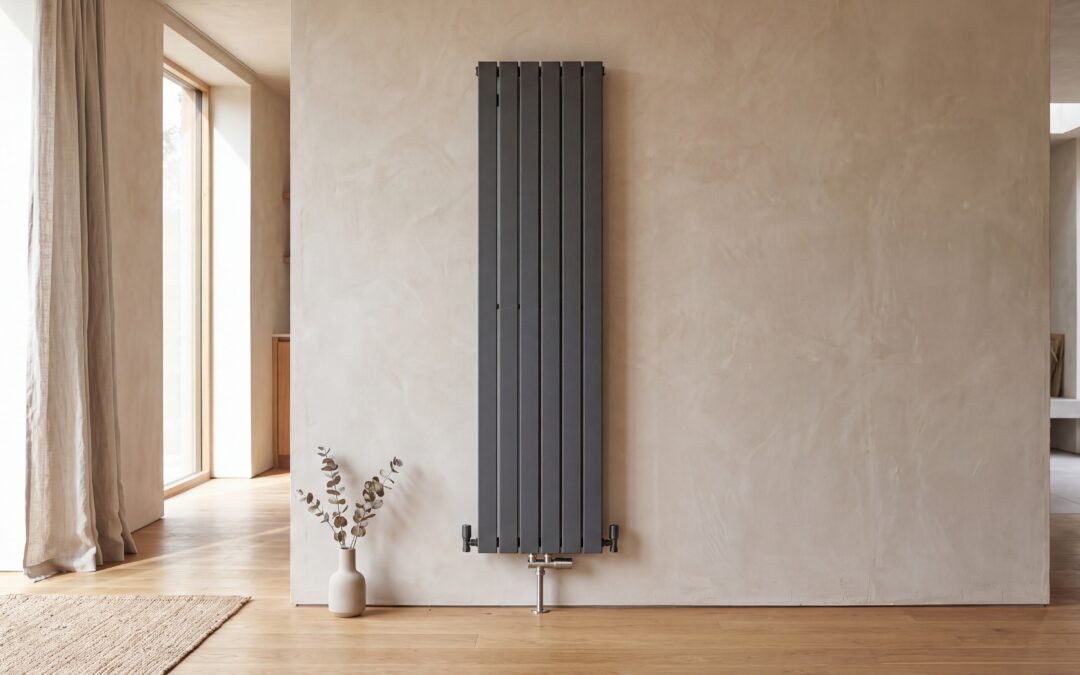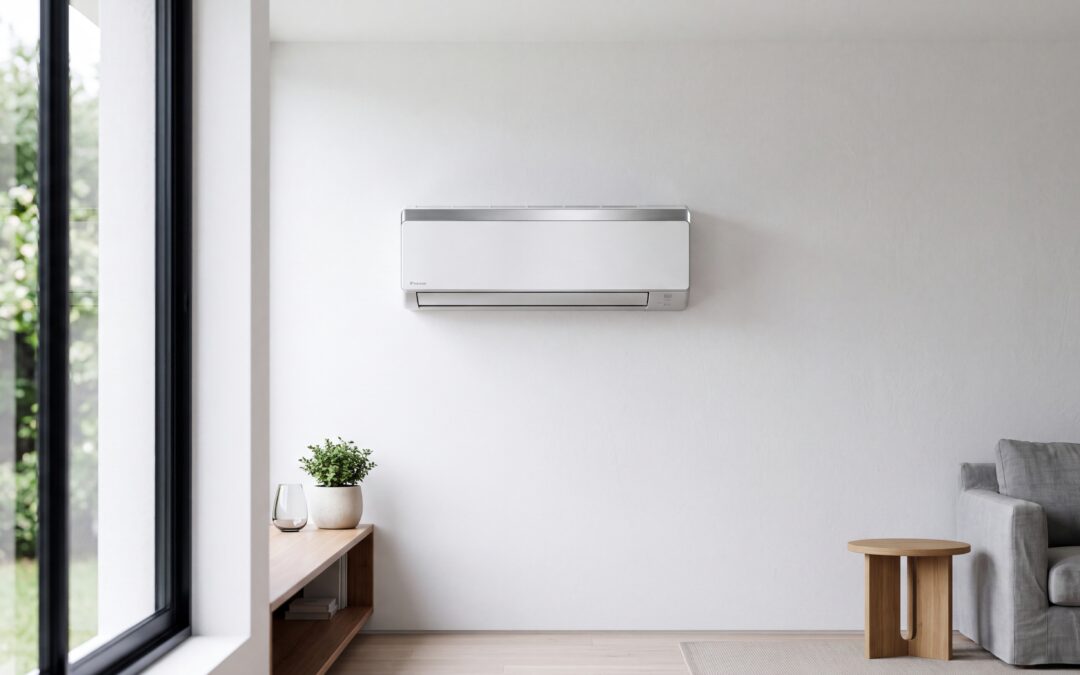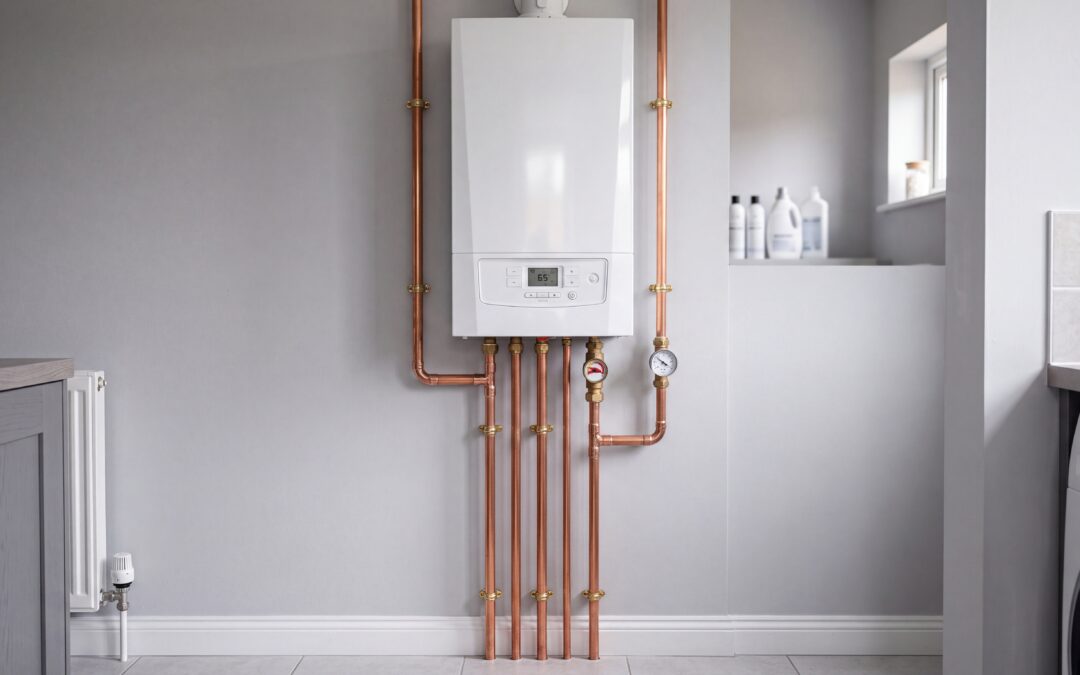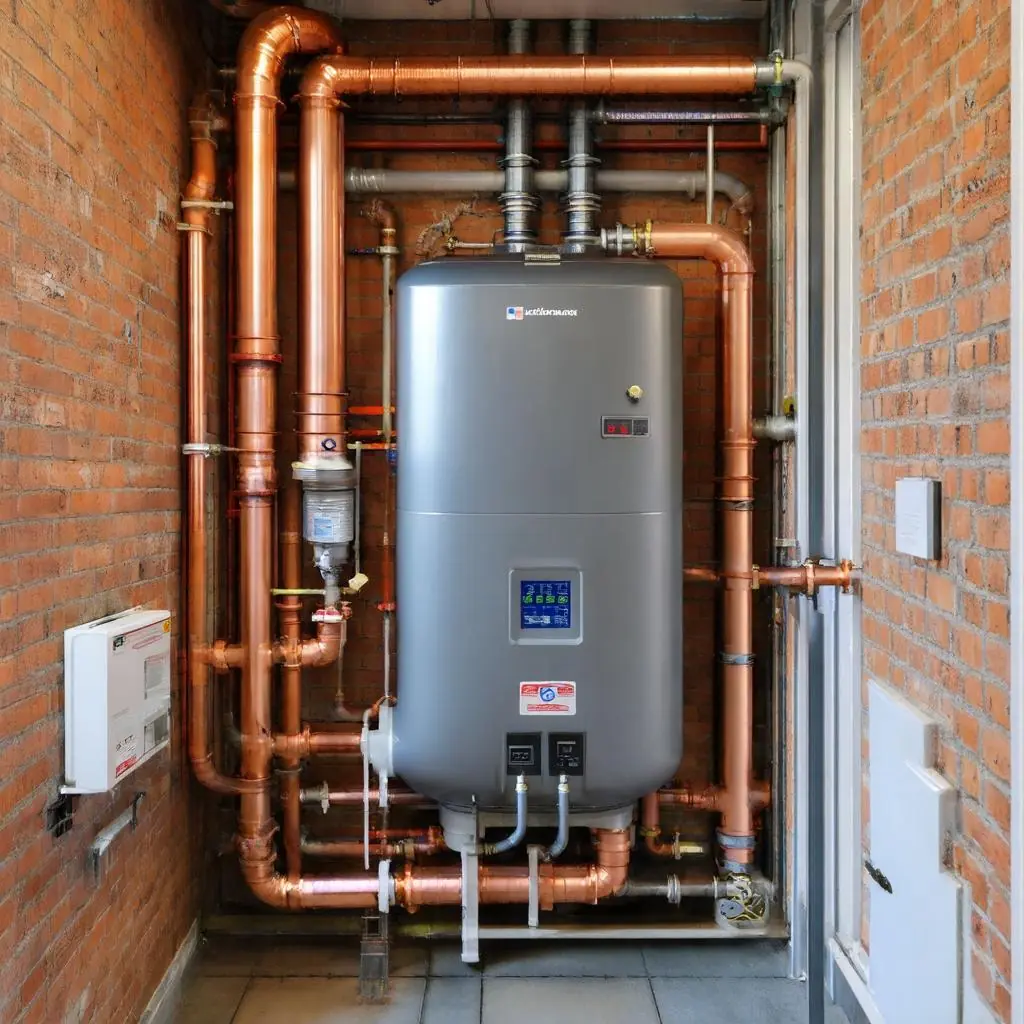
Across the UK, recent funding rounds have channelled money into community buildings to improve accessibility, safety, and energy efficiency. In Essex, this is directly relevant to village halls, places of worship, sports clubs, youth and community centres, and small commercial venues that host public activities. Typical schemes are supporting essential fabric and services upgrades that cut energy costs, improve comfort, and reduce compliance risk. If your organisation relies on volunteer time and tight budgets, the current window of support offers a timely opportunity to tackle works that are difficult to fund from reserves.
Based on the scope seen in current community funds, you can expect the following types of work to be eligible:
- Replacement of inefficient boilers: Removal of obsolete or non-condensing boilers and installation of modern, high-efficiency models from trusted manufacturers (e.g., Worcester-Bosch, Vaillant, Ideal, Baxi), with appropriate system cleansing and water treatment.
- Heating controls upgrades: Zoned controls, smart thermostats, optimum start, and weather compensation to automate efficiency, improve comfort, and prevent overheating.
- Radiator balancing and power flushing: Restoring circulation, eliminating cold spots, and protecting new plant through magnetic filtration and inhibitor dosing.
- Hot water and cylinder improvements: Cylinder replacement or re-insulation, thermostatic mixing valves for scald protection, and time/temperature control optimisation.
- Pipe and loft insulation: Reducing distribution losses, protecting against freezing, and stabilising building temperatures.
- Accessible washroom refurbishments: Doc M–compliant layouts, grab rails, lever taps, non-slip flooring, and improved ventilation for public hygiene.
- Safety upgrades: Fire detection and alarm systems, emergency exit improvements, gas safety enhancements, and CO alarms, often delivered alongside M&E works.
The benefits for your organisation can be immediate and measurable:
- Lower energy bills through higher boiler efficiency and smarter control of heat and hot water.
- Improved comfort and reliability, reducing complaints, call-outs, and event cancellations due to heating failures.
- Reduced downtime by tackling long-standing circulation issues and legacy faults.
- Better compliance with gas safety, hot water temperatures, and accessibility standards.
- Stronger community outcomes: a warmer, safer, more accessible venue for users and hirers.
As a Brentwood-based, locally owned provider, Brentwood Heating Ltd supports community buildings across Essex — including Brentwood, Upminster, Hornchurch, and Southend — with survey, installation, and maintenance services. All engineers are Gas Safe registered, and the team is experienced in both domestic and light commercial systems. For eligible boilers, manufacturer-backed guarantees can be up to 10 years when installed to specification, giving long-term security over a major asset. While the market is competitive, organisations often prefer a nearby, responsive contractor able to provide swift quotes, transparent timelines, and tidy work practices. This is particularly useful when funders specify delivery deadlines or when you must sequence works around programmes and worship times. Brentwood Heating operates a 24/7 emergency service, but the goal of these projects is to reduce emergencies by addressing root causes.
If you are considering applying for support, it is advisable to confirm grant rules early. Many programmes ask for at least two or three comparable quotes, clear evidence of need and expected savings, and confirmation that the installer is appropriately certified. Planning now will place your application ahead of those who wait until deadlines are published.
How to get grant-ready in Essex: practical steps, example scopes, and proving impact
A straightforward, evidence-led approach will help you secure funding and deliver projects with minimal disruption. The following checklist reflects what funders typically ask for and how community venues can prepare.
A practical, grant-ready checklist
1) Commission a heating/plumbing survey and condition report
- Ask a certified engineer to assess boilers, pumps, controls, pipework, emitters, hot water cylinders, and insulation. Include water quality testing, system sizing checks, and a review of compliance (e.g., flueing, ventilation, CO alarms).
- Request a written report with photographs, priority recommendations, and indicative costs. Brentwood Heating can provide this for Essex sites and tailor the report to typical bid requirements.
2) Gather 12 months of energy bills and note cold spots or frequent faults
- Collate gas and electricity bills (kWh and £) and record occupancy patterns. Note recurring issues such as cold radiators, boiler lockouts, or rooms that never reach setpoint.
- If available, include any previous maintenance records or fault logs.
3) Prioritise quick wins (controls, insulation) vs capital works (boiler replacement, system re-pipe)
- Funders value a staged plan: immediate efficiency gains first, then higher-cost asset replacement where justified by data.
- Define a sensible phasing strategy that limits downtime and protects seasonal activities (e.g., schedule major works in school holidays or club off-season).
4) Obtain written quotes and timelines from certified engineers
- Seek itemised, like-for-like quotations that align with your scope, including lead times for equipment, method statements, and programme duration.
- Confirm credentials: Gas Safe registration for gas works, appropriate insurance, and manufacturer approvals where extended guarantees depend on installer status.
- Brentwood Heating can provide fixed-price quotations with clear inclusions/exclusions to support procurement rules.
5) Plan installation around building usage to minimise disruption
- Map your calendar: services, matches, rehearsals, community meals, and private hires. Plan weekend or evening works if necessary and segregate work areas to maintain safe access.
- Agree communication protocols for users and hirers. Provide temporary heating/hot water if needed during critical periods.
6) Include servicing and safety certification in the budget
- Budget for annual boiler servicing, water quality checks, and gas safety certification. These are essential for warranty validity and compliance.
- Include commissioning documentation, Benchmark records for boilers, and user training on new controls.
7) Document anticipated energy savings for the application
- Use your bills and survey findings to estimate baseline consumption and forecast savings from each measure (e.g., percentage reduction from weather-compensated controls; distribution loss cuts from insulation).
- Present simple, verifiable numbers and explain assumptions. Commit to collecting post-installation data to evidence outcomes.
Example project scopes you can adapt
-
Community heating upgrade (typical hall, 250–500 m²)
- Remove legacy atmospheric boiler; install a high-efficiency condensing boiler with correctly sized pumps.
- Full system power flush; fit magnetic filter and dose inhibitor.
- Add zoned controls (hall, meeting rooms, offices), smart thermostats, and weather compensation.
- Rebalance radiators and replace failed TRVs; insulate accessible heating pipework.
- Commissioning, user training, one-year service plan, and registration of warranties (up to 10 years available on certain boilers when installed to specification).
-
Insulation and hot water efficiency package
- Top up loft insulation to recommended depth where feasible; insulate primary pipe runs and hot water cylinders with jackets/preformed lagging.
- Install time and temperature control for hot water; check and set cylinder thermostat.
- Fit thermostatic mixing valves for safe delivery temperatures in public washrooms.
-
Accessible toilet refurbishment (with energy and water efficiency in mind)
- Reconfigure layout to Doc M guidance; install grab rails, raised-height pan, and low-force lever taps.
- Upgrade extract ventilation for hygiene and moisture control; specify LED lighting with occupancy sensors.
- Include water-saving fittings and robust finishes suitable for high-use community settings.
-
Safety and compliance uplift (often paired with M&E works)
- Replace or upgrade CO alarms adjacent to fuel-burning appliances.
- Coordinate with certified fire specialists for detection, alarms, and emergency lighting; ensure safe isolation and reinstatement during heating works.
- Review emergency exits in relation to plant room changes and storage.
How to evidence outcomes for funders and trustees
- Before-and-after energy data: Track monthly kWh and £ from utility bills for at least 12 months pre- and post-project. Normalise for weather if possible (or compare heating degree days).
- Comfort and usage: Record pre- and post-project room temperatures at representative times and collect short user surveys about comfort and reliability.
- Technical commissioning records: Keep Benchmark certificates, commissioning sheets, inhibitor and flush certificates, and photographs of key measures (insulation, controls).
- Compliance documents: Gas Safe certificates, control system manuals, and updated risk assessments (including hot water scald prevention and legionella considerations for stored hot water).
- Visual evidence: Before/after photos and short case notes suitable for funder reporting and community newsletters.
Managing warranties and long-term maintenance
- Register product warranties promptly and store confirmation emails and serial numbers in your building logbook.
- Maintain water quality: schedule annual service visits that include filter cleaning and inhibitor top-ups. Poor water quality voids many boiler guarantees.
- Protect control strategies: train responsible users and set permission levels on smart thermostats to avoid inefficient overrides.
- Set up a planned maintenance schedule: annual servicing, mid-season checks, and a response plan for cold-weather breakdowns. Brentwood Heating offers 24/7 emergency call-out across Essex to keep essential services running, but planned maintenance will minimise emergencies.
- Review performance annually: compare energy use, costs, and comfort to ensure savings persist and to identify further small improvements (e.g., additional TRVs, draught proofing).
Where to look for funding
- Local council pages in Essex: Check Essex County Council and your district/borough for community building grants, climate and energy funds, and accessibility/safety programmes.
- Unitary authorities and neighbouring areas: Southend-on-Sea and Thurrock often publish community grants relevant to venues serving their residents.
- UK-wide community funding portals: National Lottery Community Fund, Sport England (facilities grants), faith and heritage funds, and community infrastructure or resilience schemes. Use official portals to verify current eligibility and deadlines.
- National prosperity programmes and allocations: Explore opportunities connected to the UK Shared Prosperity Fund and related local allocations administered by councils.
- Utility and corporate funds: Some energy suppliers and charitable trusts support efficiency measures for community spaces; verify criteria and match-funding requirements.
How Brentwood Heating can assist your application
- Grant-ready surveys and itemised proposals: Condition reporting, options appraisal (quick wins vs capital works), and clear programmes aligned to your calendar.
- Certified installation and commissioning: Gas Safe registered engineers experienced with community schedules and mixed-use premises.
- Flexible specifications to suit budgets and brands: Worcester-Bosch, Vaillant, Ideal, and Baxi solutions, including extended guarantees where applicable.
- Compliance and documentation: Gas safety certificates, commissioning records, user training, and maintenance plans suitable for funder reporting.
- Ongoing support: Servicing packages and responsive call-out to protect your investment long term.
Next steps for Essex organisations
- Appoint a contact person or subcommittee to lead the process.
- Arrange a survey and start assembling your evidence pack (bills, fault notes, photographs).
- Identify one or two realistic funding routes and check their timelines and procurement rules (e.g., number of quotes required).
- Request written quotations and a draft installation plan that avoids peak usage.
- Build servicing, certification, and user training into the budget so savings are sustained.
With a clear brief, certified partners, and a simple evidence trail, community venues in Essex can use current grant opportunities to deliver practical, long-lasting heating and energy improvements. If you would value a structured survey or a quote tailored to your venue’s needs, Brentwood Heating Ltd is ready to assist across Brentwood and the wider Essex region.