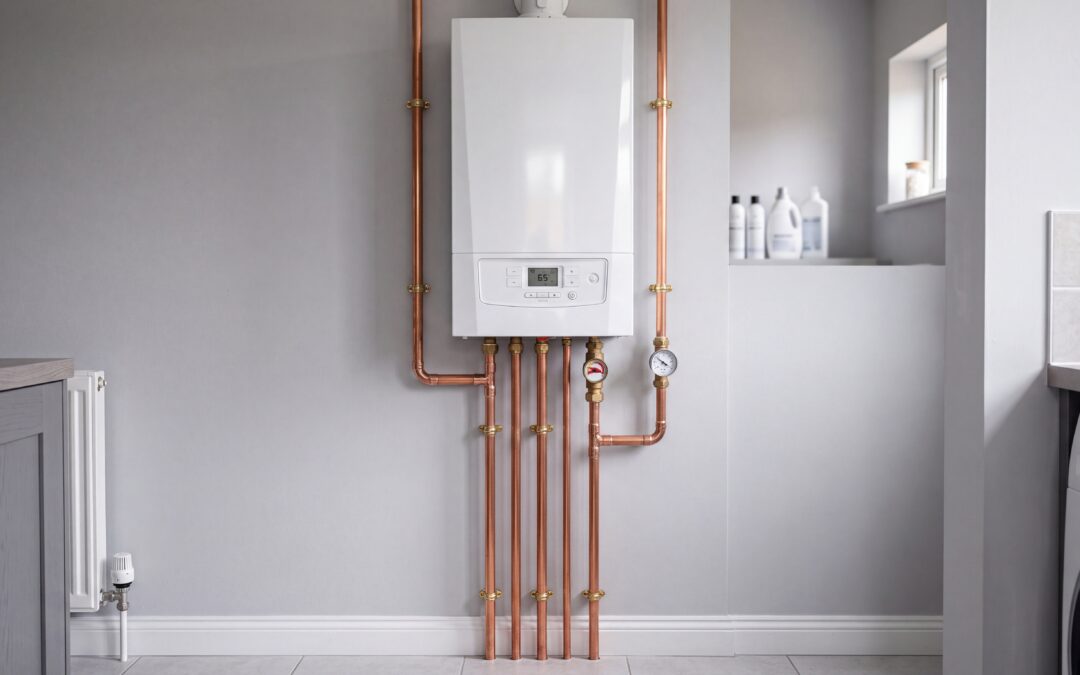
Working on gas appliances is not akin to changing a tap washer. Gas is a controlled fuel, and its storage, conveyance and combustion are strictly regulated for good reasons: the consequences of error can be catastrophic. Improper repairs or alterations—such as fitting or re‑fitting flexible gas connectors incorrectly—can lead to leaks, fire, explosion, or exposure to carbon monoxide (CO). Even well‑intentioned “quick fixes” may mask underlying faults, compromise safety systems and invalidate warranties and insurance.
Common pitfalls of do‑it‑yourself gas work include:
- Incorrect use or installation of flexible connectors, including kinking, over‑stretching, or using incompatible fittings or hoses for the appliance type.
- Inadequate leak testing and pressure/tightness testing after alterations, leading to undetected gas escapes.
- Poorly supported or undersized pipework, causing stress on joints and appliances.
- Inadequate ventilation or blocked flues on boilers and fires, increasing CO risks.
- Improper sealing or reassembly of combustion chambers on modern boilers, disrupting safety interlocks.
- Misinterpretation of manufacturer instructions or bypassing safety controls to “get it working.”
Beyond immediate hazards, DIY gas interventions can create latent defects that only surface under certain operating conditions—at higher demand, during cold snaps, or when other appliances run concurrently. This is why professional engineers use calibrated instruments to verify combustion quality, gas rates, operating pressures and flue integrity, rather than relying on sight or smell alone.
It is also essential to understand the regulatory framework. In the UK, the Gas Safety (Installation and Use) Regulations 1998 (GSIUR) stipulate that only a competent, Gas Safe registered engineer may carry out gas work. Building Regulations (for example, Parts J and L) and relevant British Standards govern flues, ventilation, energy efficiency and pipework design. Non‑compliant work is not simply “sub‑optimal”; it is unlawful and can render properties uninsurable, appliances out of warranty, and, in the worst cases, occupants at risk.
Landlords have specific legal duties. They must:
- Ensure all gas appliances and flues provided are safe and maintained.
- Arrange annual safety checks by a Gas Safe registered engineer and provide tenants with a Gas Safety Record within 28 days of the check.
- Install and maintain carbon monoxide alarms in accordance with current regulations in England (for example, where there is a fixed combustion appliance, excluding gas cookers).
Failure to comply may lead to enforcement action, fines, potential prosecution, invalidated insurance, and civil liability if harm occurs.
Homeowners also bear responsibilities. Even if a DIY repair appears successful, subsequent sale of the property or an insurance claim following an incident may trigger scrutiny. If unregistered gas work is discovered, one may face costly remedial work, claims refusal and potential legal ramifications. Moreover, many boiler manufacturers stipulate that installation, commissioning and servicing must be performed by certified professionals to retain guarantees—some extending up to ten years on qualifying models.
Telltale signs of unsafe gas installations or appliances include:
- Persistent smell of gas, hissing from pipework or connectors.
- Yellow, lazy or sooty flames on burners designed for blue flames.
- Staining, scorch marks or discolouration around boilers, fires or flues.
- Frequent pilot light or flame failures, or appliances cutting out.
- Unusual noises, vibration or “clunking” from boilers or pipework.
- Condensation, dampness or deterioration around flues and terminals.
- CO alarm activation or headaches, dizziness and nausea among occupants (potential CO exposure).
If any of these signs are present, stop using the appliance and seek professional help immediately.
If you smell gas or suspect a carbon monoxide incident:
- Move people to fresh air and ventilate by opening doors and windows.
- Do not operate electrical switches or use naked flames.
- If safe, isolate the gas supply at the emergency control valve by the meter.
- Call the National Gas Emergency Service on 0800 111 999 (UK) and follow their guidance.
- Seek medical attention if you suspect CO exposure.
These are emergency measures only; they are not a substitute for professional diagnosis and repair.
What Every Homeowner Should Do Instead
Prioritise professional competence. Gas Safe registered engineers are trained, assessed and equipped to test, diagnose and certify gas work properly. They will:
- Perform appropriate pressure and tightness tests to confirm integrity of the gas installation.
- Verify combustion performance with calibrated analysers and ensure correct flue operation.
- Check ventilation and safety devices, and set up appliances to manufacturer specifications.
- Identify and categorise unsafe situations in line with industry procedures, and rectify them safely.
Schedule regular servicing and safety checks. An annual boiler service reduces the risk of breakdowns, extends appliance life, helps maintain efficiency and, crucially, ensures safety features are functioning. For landlords, an annual Gas Safety Record is a legal obligation; for homeowners, it is a prudent safeguard and often a warranty requirement.
Install and maintain carbon monoxide detectors. Fit CO alarms that meet BS EN 50291, test them regularly, and replace them at end of life per the manufacturer’s instructions. Positioning should follow the device guidance, typically at breathing height in living spaces with fuel‑burning appliances and in rooms with boilers, avoiding cupboards and corners that impede airflow. CO alarms are a last line of defence; they do not replace proper installation and maintenance.
Know your limits. Even seemingly minor tasks—swapping a cooker hose, moving a boiler flue terminal, altering pipework to fit new kitchen units—can have significant safety implications. If the job touches gas supply, flues, or combustion air, it is gas work and must be undertaken by a registered professional.
Document and plan. Keep records of appliance manuals, service reports, safety certificates and warranty documentation. When upgrading, discuss options that suit your property, usage patterns and budget. Reputable installers can advise on high‑efficiency boilers from leading brands and explain available guarantees, controls and system protections (such as power flushing and filters) to deliver long‑term reliability.
For homeowners and landlords in Brentwood and across Essex—including Upminster, Hornchurch and Southend—engaging a trusted local provider brings added assurance. Brentwood Heating Ltd is a reputable, locally owned company operated by Lewis Trembling, with a team of Gas Safe registered engineers experienced in:
- Boiler repair, servicing and installation across leading brands such as Worcester‑Bosch, Vaillant, Ideal and Baxi.
- Central heating installation and repairs, general plumbing and blocked toilet solutions.
- 24/7 emergency call‑outs for urgent gas and heating issues.
- Power flushing, system upgrades, and landlord gas safety certification.
Clients consistently highlight the team’s professionalism, prompt response, tidy workmanship and respectful conduct. The company offers transparent communication, tailored quotations and solutions that align with different boiler types and budgets, with attractive manufacturer guarantees—often up to ten years on selected models—without compromising on quality.
If you are unsure about the safety of an appliance, have noticed warning signs, or simply wish to schedule an annual service or landlord certificate, arranging a professional assessment is the responsible course of action. For urgent concerns, do not delay in seeking assistance through the appropriate emergency channels; for all other plumbing and heating needs, contacting a certified, responsive local specialist ensures your property remains safe, compliant and efficient.
Gas safety is not an area for experimentation. By relying on qualified professionals, adhering to regulations and maintaining regular checks—supported by properly installed CO alarms—you protect your household, your property and your peace of mind. For residents and businesses in the Brentwood area and the wider Essex region, Brentwood Heating Ltd stands ready to provide reliable, hassle‑free service whenever you need it.