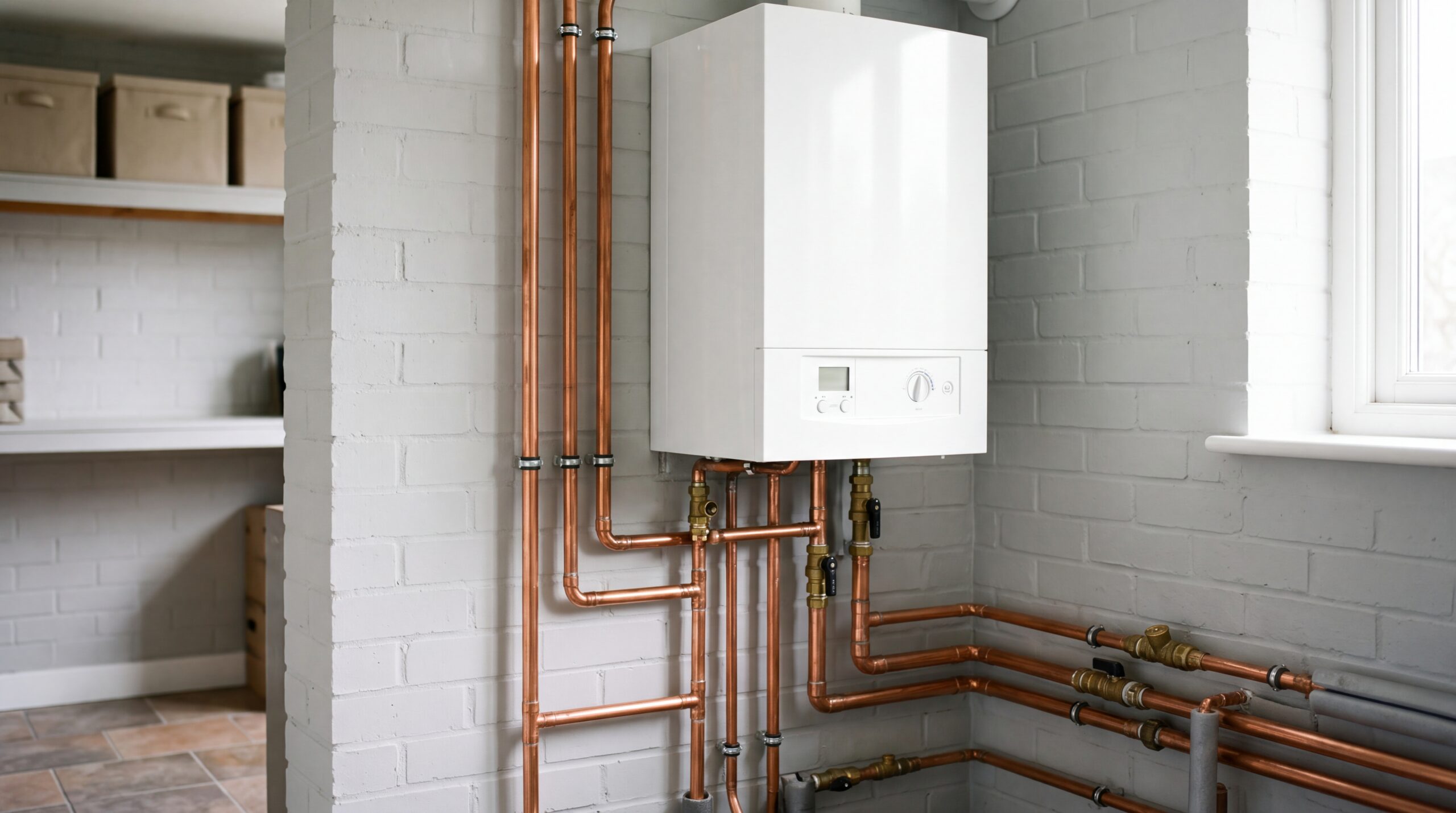
Discovering that your central heating system has shut down due to low pressure is a frustratingly common issue for homeowners. Modern sealed central heating systems rely on stable hydraulic pressure to circulate hot water efficiently around your property. When boiler pressure drops below the recommended operating threshold, your appliance may display a fault code or lock out entirely as a safety precaution, leaving you without heating or hot water.
Understanding Normal Boiler Pressure
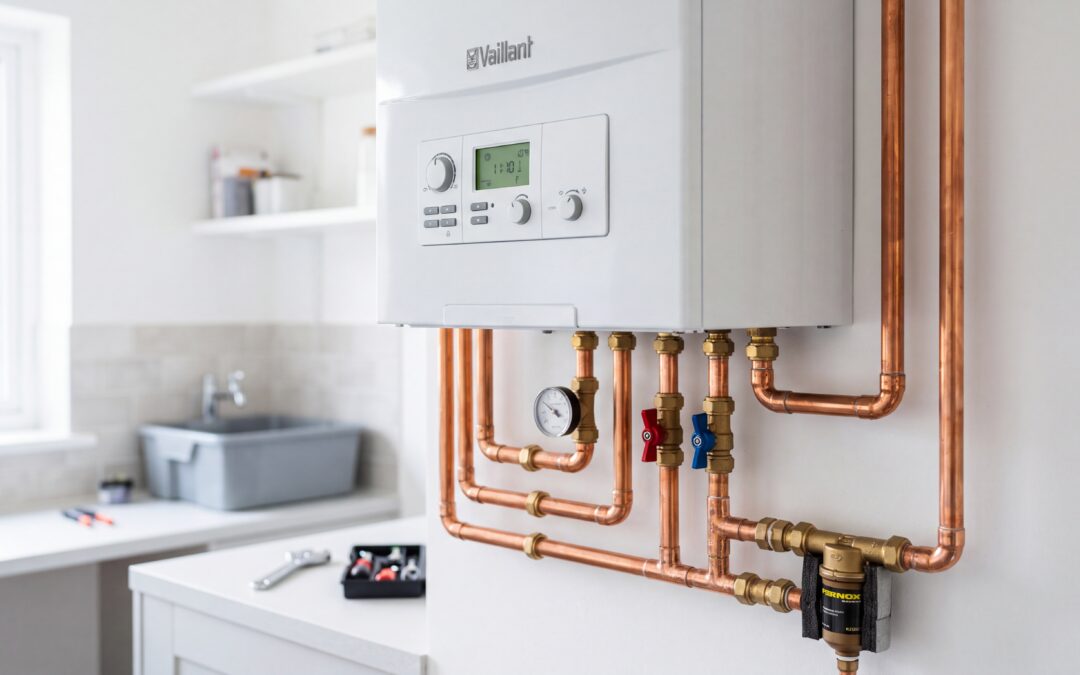
Most modern combi and system boilers operate optimally when the water pressure gauge—typically located on the front fascia—reads between 1.0 and 1.5 bar when the heating system is cold. When the heating is turned on and water expands as it warms up, the pressure will naturally rise slightly, usually fluctuating between 1.5 and 2.0 bar.
If the pressure gauge falls below 1.0 bar (frequently dipping into the red warning zone below 0.5 bar), the boiler’s internal pressure sensor will trip to prevent thermal damage to the heat exchanger. Understanding the underlying causes behind this drop is essential for resolving the issue permanently.
Primary Reasons Why Boiler Pressure Drops
There are several common culprits when a sealed central heating system repeatedly loses pressure, ranging from routine maintenance adjustments to component failure:
- Water Leaks in the Heating Circuit: Even a minuscule pinhole leak in concealed pipework, a weeping radiator valve, or an internal boiler leak can cause a gradual loss of system water over time.
- Bleeding Radiators: Releasing trapped air from your radiators is an essential part of routine boiler maintenance. However, purging air removes water volume from the sealed circuit, directly causing overall water pressure to drop.
- A Faulty Pressure Relief Valve (PRV): If the PRV becomes damaged or contaminated with debris, it may fail to seat correctly, continuously discharging water through the external copper pipe.
- Depressurised Expansion Vessel: The expansion vessel contains an internal rubber diaphragm backed by compressed air. If this vessel loses charge, the system cannot accommodate expanding hot water, forcing the PRV to discharge water and causing system pressure to drop once the water cools down.
How to Top Up Your Boiler Pressure
If there are no obvious physical leaks and you have recently bled your radiators, you can usually restore system pressure yourself using the filling loop.
Step-by-Step Repressurisation Guide
Before attempting to repressurise the system, switch off the boiler and allow the radiators to cool down completely. Locate the filling loop underneath or adjacent to the unit—this is typically a flexible silver hose equipped with one or two small lever valves.
Slowly open the valve handles until you hear water entering the system. Keep a close eye on the pressure gauge as the needle rises. Once the needle reaches 1.2 to 1.5 bar, turn both handles back to the closed position. Switch the boiler back on and check that the fault code has cleared. Taking proactive steps like this alongside regular summer boiler care will help prevent unexpected winter heating failures.
When to Call a Heating Engineer
If your boiler pressure drops repeatedly after topping it up, simply adding more water is only a temporary fix. Frequently introducing fresh mains water into your system introduces dissolved oxygen, which accelerates internal pipe corrosion and boiler sludge formation.
In these scenarios, professional diagnostic testing is essential. A Gas Safe registered engineer can trace hidden leaks, recharge expansion vessels, or replace faulty components. Where appliances are reaching the end of their operational lifespan, reviewing whether a boiler repair or replacement offers better long-term value is a sensible step.
If you require expert assistance, local engineers can quickly identify hydraulic faults and restore your home’s heating. You can access reliable boiler repairs in Maldon, Rush Green, and Burnham-on-Crouch. Arranging an annual boiler service remains the best preventative measure to catch minor pressure issues before they cause full system breakdowns.