As the United Kingdom accelerates its transition towards a low-carbon economy, the demand for highly efficient heating systems in residential properties has never been more critical. Elevating domestic energy performance is no longer merely a matter of environmental stewardship; it is a pragmatic response to volatile energy markets and evolving building regulations. To achieve optimal performance, homeowners must look beyond simple boiler replacements and adopt a holistic, systemic approach to thermal comfort.
The Core of Central Heating Efficiency
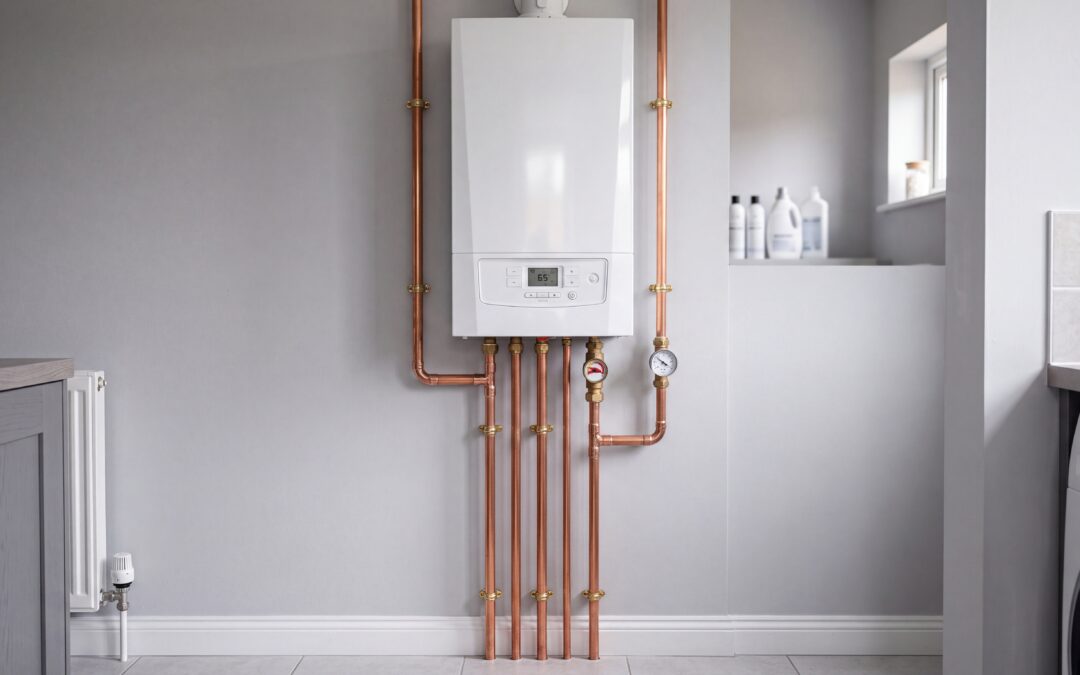
The foundation of any high-performing system lies in how effectively heat is generated, distributed, and regulated. Historically, British homes have relied on high-temperature fossil fuel systems that operate with considerable thermal waste. Modern standards require a shift towards lower operating temperatures, which significantly reduces standby losses and maximises the performance of modern condensing boilers and heat pumps. Achieving peak central heating efficiency requires careful hydraulic balancing and the integration of advanced heat emitters.
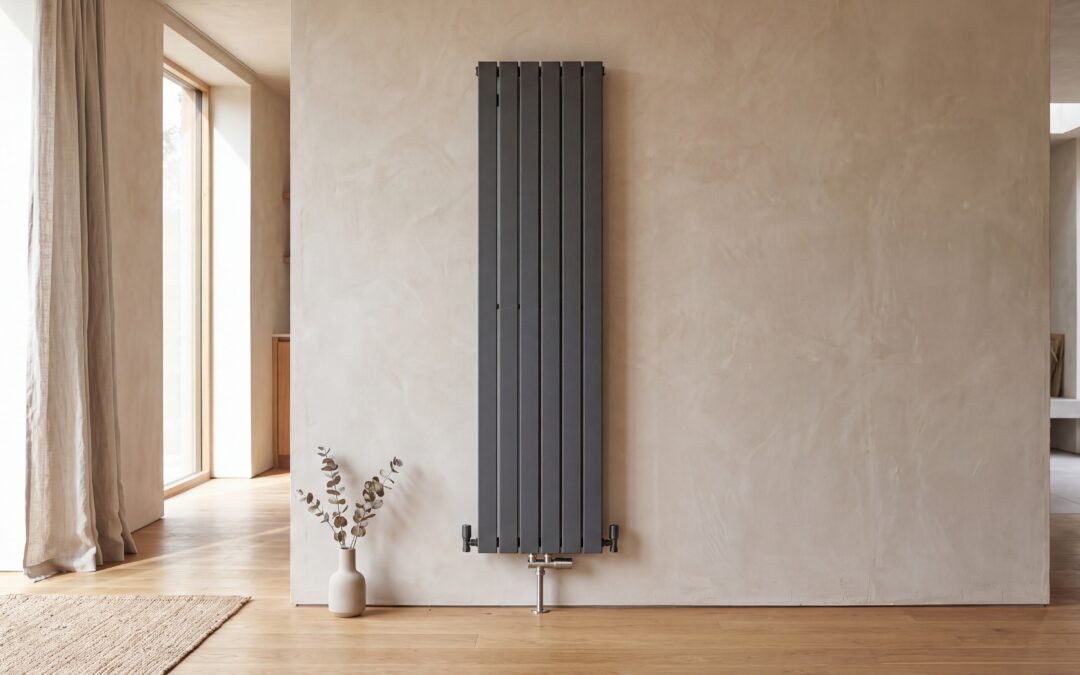
One of the most effective methods of facilitating this transition is the installation of modern low-temperature hydronic radiators. Unlike older, high-temperature counterparts, these systems utilise larger surface areas to distribute heat evenly at water temperatures of 45°C to 55°C, rather than the traditional 75°C. This lower thermal demand allows heat sources to operate in their most efficient condensing or coefficient of performance (COP) ranges, driving down energy consumption without compromising indoor comfort.
Strategic Heating System Upgrades
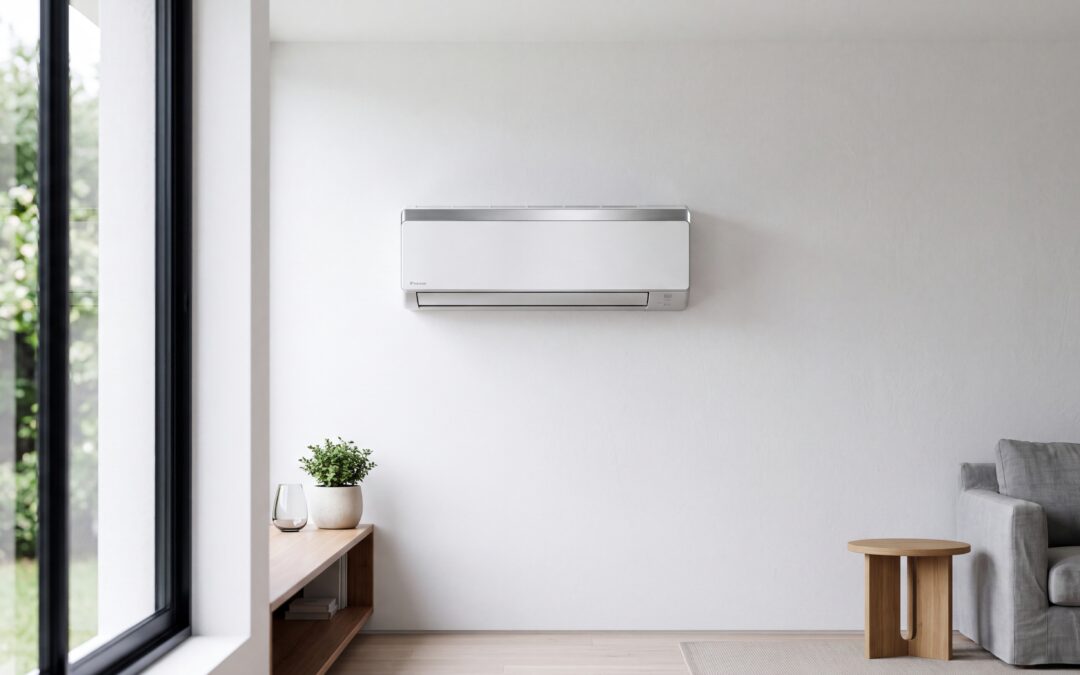
For homeowners aiming to future-proof their properties, executing structured heating system upgrades is paramount. Replacing a legacy system involves assessing the property’s thermal envelope, ensuring that insulation and draught-proofing are optimised before sizing new equipment. Oversizing is a common pitfall that leads to short-cycling and premature equipment wear, particularly when transitioning to low-carbon technologies like air-source or ground-source heat pumps.
While the capital expenditure for advanced low-carbon installations can be substantial, innovative financial structures are easing this transition. Homeowners can now leverage various grants and flexible financing models for heat pumps to amortise installation costs over time. This accessibility ensures that sustainable, high-efficiency technology is attainable for a broader demographic, facilitating widespread carbon reduction across the domestic sector.
Integrating Smart Technology and Future-Ready Infrastructure
Optimising efficient heating systems requires sophisticated control mechanisms. Standard manual thermostatic radiator valves (TRVs) are rapidly being superseded by smart, internet-enabled zoning controls. These systems learn household habits, adjust output based on weather compensation data, and ensure that unoccupied rooms are not needlessly heated. By integrating these controls, property owners can customise their heating profiles, further squeezing out waste from their energy bills.
Looking ahead, the integration of residential systems into wider, communal solutions represents the next frontier of urban planning. Implementing future-ready heating upgrades aligns individual households with municipal energy strategies. As district heating networks and shared ambient loops become more prevalent across Essex and the wider UK, properties equipped with compatible low-temperature infrastructure will transition seamlessly, ensuring long-term asset value and superior environmental performance.