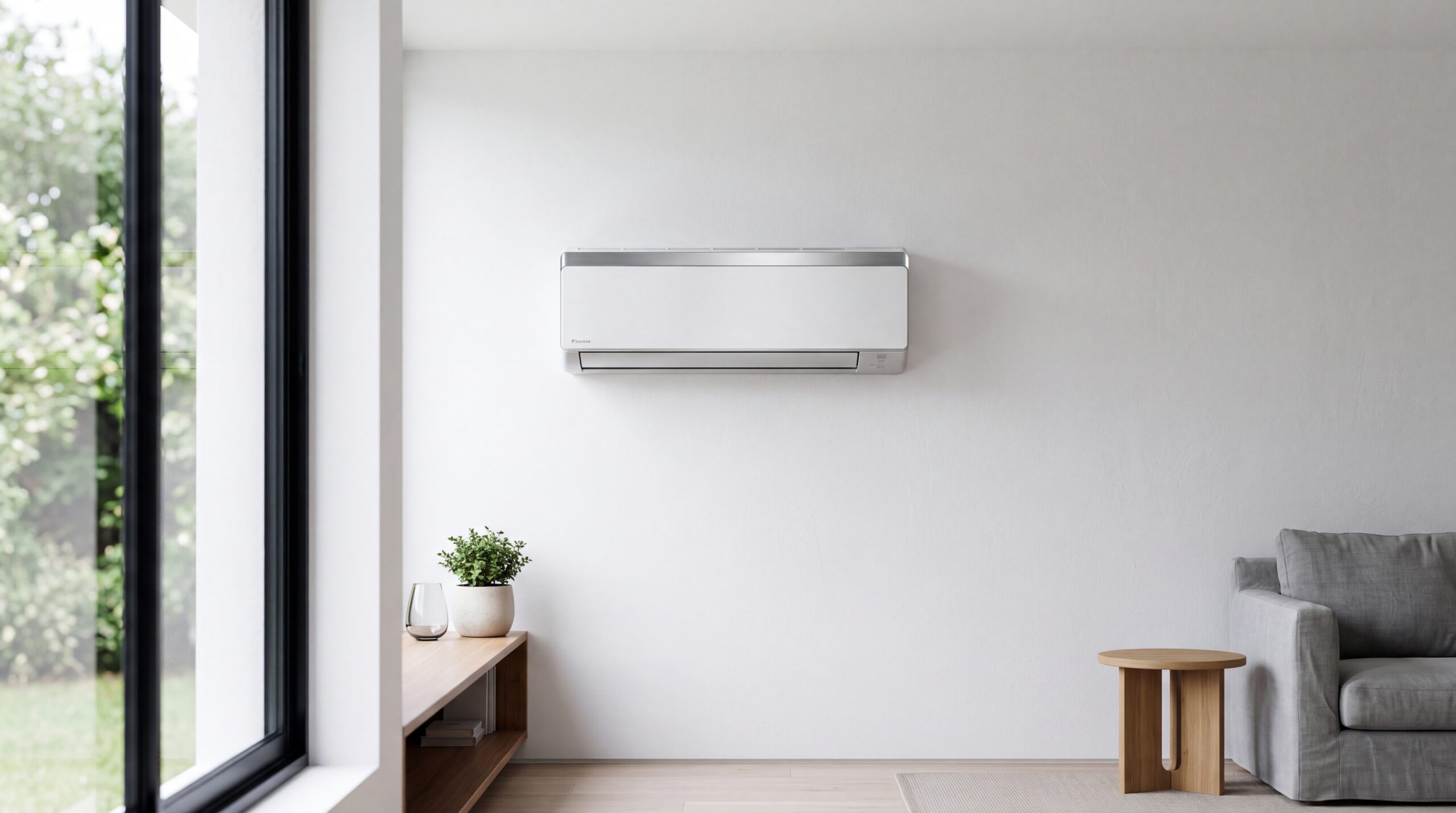
As summers in the United Kingdom become increasingly warm, climate control systems have transitioned from luxury assets to essential household and commercial infrastructure. To secure the multi-faceted air conditioning benefits—which encompass refined indoor air quality, humidity control, and elevated cognitive productivity—a structured upkeep regime is imperative. Proactive air conditioning maintenance is not merely a defensive measure against mechanical breakdown; it is an active strategy to optimise thermodynamic performance and extend system longevity.
The Relationship Between Maintenance and Thermal Efficiency
Over time, the operational efficiency of any cooling system inevitably degrades. Airborne particulates, dust, and organic matter accumulate on heat transfer surfaces, creating insulating barriers that impede energy exchange. This thermodynamic drag forces the compressor to work harder and run longer to achieve the target setpoint, directly impacting your energy bills. Ensuring your system undergoes regular servicing is fundamental to maintaining peak air conditioning efficiency, protecting the compressor, and minimising operational carbon emissions.
Key Technical Components of Air Conditioning Maintenance
A comprehensive maintenance protocol addresses both the internal air-handling components and the external heat-rejection units. To keep systems operating within their designed parameters, technicians and facility managers must prioritise several critical procedures:
- Filter Diagnostics and Hygiene: Clogged filters restrict airflow, forcing the evaporator coil to operate below its dew point, which can lead to ice formation and subsequent system shutdowns. Regularly cleaning or replacing filters maintains optimal volumetric flow rates.
- Coil Cleaning and Debris Removal: Evaporator and condenser coils must remain clean to facilitate rapid heat exchange. Outdoor condenser units are particularly vulnerable to pollen, leaf litter, and atmospheric grime, which must be chemically or mechanically cleared to prevent head-pressure spikes.
- Refrigerant Charge Verification: Operating with an incorrect refrigerant charge—whether undercharged due to micro-leaks or overcharged during improper servicing—severely impairs the thermodynamic cycle. Professional monitoring ensures pressures align with manufacturer specifications, preventing premature compressor failure.
- Electrical Terminal Inspection: Thermal cycling can cause electrical connections to loosen over time. Tightening terminals, measuring current draw, and verifying safety controls are essential to mitigate electrical fire risks and system faults.
Proactive Asset Protection and Modern Alternatives
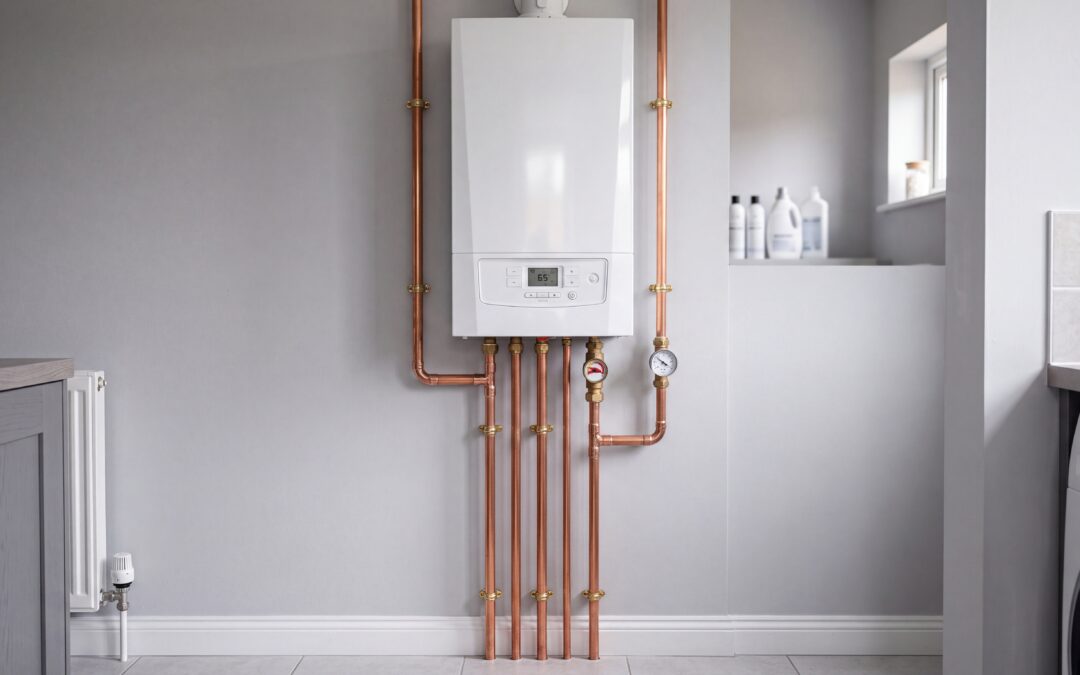
Just as regular central heating maintenance is vital to guarantee winter safety and fuel economy, routine cooling inspections protect your property investments year-round. For commercial enterprises, integrating HVAC maintenance into wider asset management plans is crucial. This proactive approach is particularly relevant when modernising retail building services, where efficient climate control directly correlates with customer dwell time and asset value protection.
In instances where an ageing cooling system requires frequent, costly interventions, it may be time to assess long-term capital expenditure. Investing in a professional air conditioning installation guarantees access to modern, inverter-driven technology with superior seasonal energy efficiency ratios (SEER). Alternatively, forward-thinking property owners might choose to switch from air conditioning to heat pumps, securing an integrated, low-carbon solution that delivers both summer cooling and highly efficient winter heating through a single thermodynamic system.
The Value of Professional Servicing
While basic tasks such as filter cleaning can sometimes be managed internally, complex diagnostics require qualified F-Gas registered engineers. Professional air conditioning maintenance ensures compliance with stringent environmental legislation, validates manufacturer warranties, and uncovers minor anomalies before they escalate into catastrophic failures. By committing to a structured maintenance programme, you preserve indoor comfort, control operational costs, and future-proof your building’s climate resilience.