A domestic plumbing crisis is one of the most disruptive events a homeowner can experience. Whether it is a ruptured water pipe behind a plasterboard wall or a severely blocked drain threatening to flood the ground floor, the consequences are invariably costly and highly stressful. Whilst understanding how to manage an active crisis is vital, focusing on preventing plumbing emergencies is a far more cost-effective and logical strategy for long-term property maintenance.
By adopting a proactive approach to your home’s infrastructure, you can significantly mitigate the risk of catastrophic failures. Here is a practical guide to safeguarding your plumbing system.
Recognize the Warning Signs
Many seemingly sudden failures are actually the culmination of gradual, unaddressed issues. Familiarizing yourself with the 5 common plumbing emergencies allows you to identify early warning signs before they escalate into structural damage.
For example, a slight drop in water pressure, a slowly draining basin, or a faint ticking sound behind a wall may appear negligible. However, these are often symptoms of larger systemic issues, such as underlying blockages or pinhole leaks. Addressing these minor anomalies early prevents them from transforming into full-scale disasters.
Implement Seasonal Safeguards
Environmental factors present distinct threats to home plumbing systems throughout the year. The transition into the colder seasons is particularly notorious for causing severe pipe damage. Investing time in comprehensive plumbing winter preparation is one of the most effective preventative measures you can take.
Ensure all external pipes and those in unheated areas, such as lofts or garages, are thoroughly insulated with high-quality lagging. During periods of extreme cold, maintaining a low but consistent ambient temperature throughout the property prevents the water inside your pipes from freezing, expanding, and ultimately splitting the pipework.
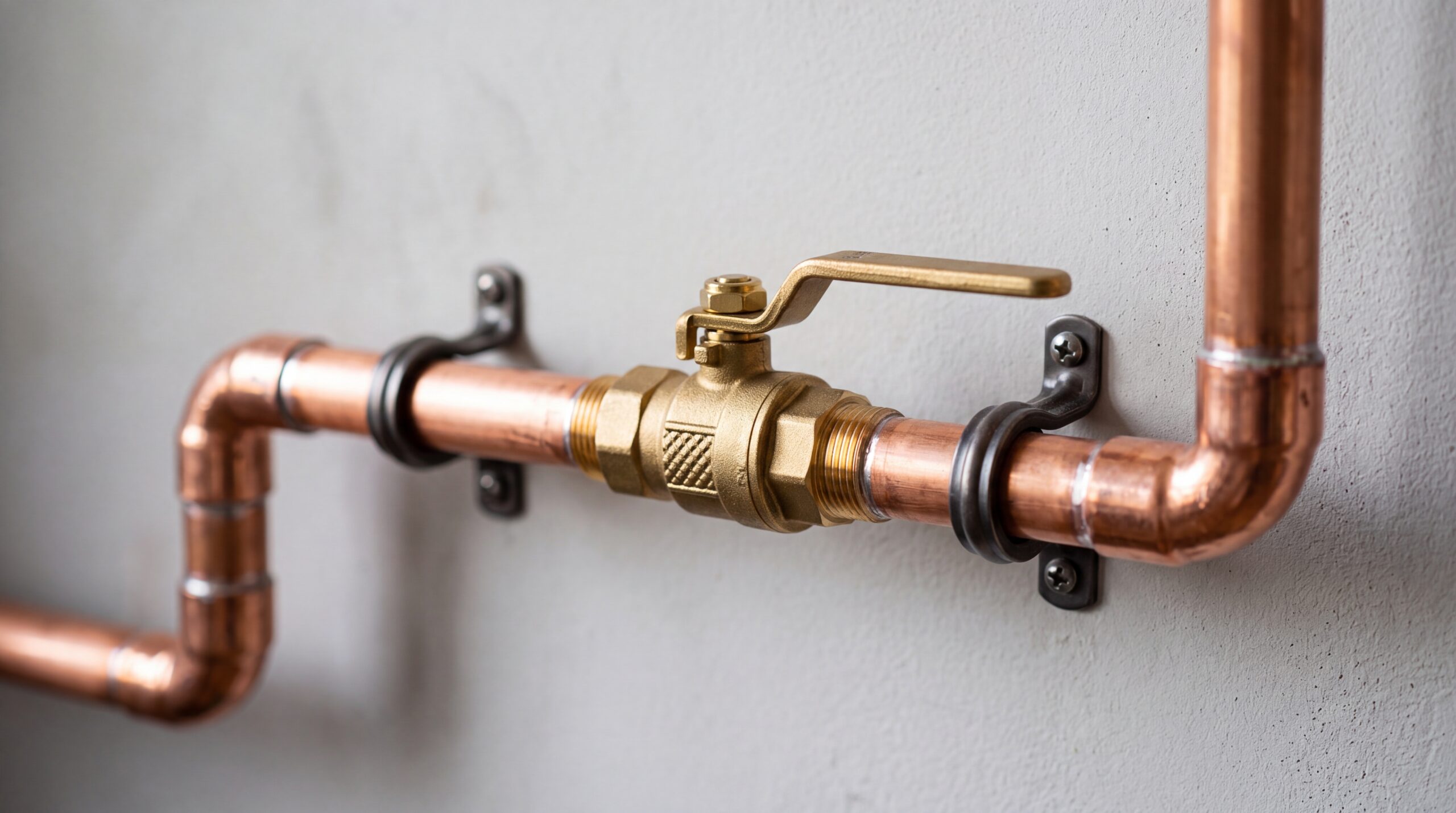
Similarly, if you plan to leave your property vacant for an extended period, conducting thorough checks before you go on holiday is essential. Shutting off the main water supply at the stopcock and draining the system can prevent an undetected leak from causing extensive damage whilst you are away.
Break the Cycle of Stress and Cost
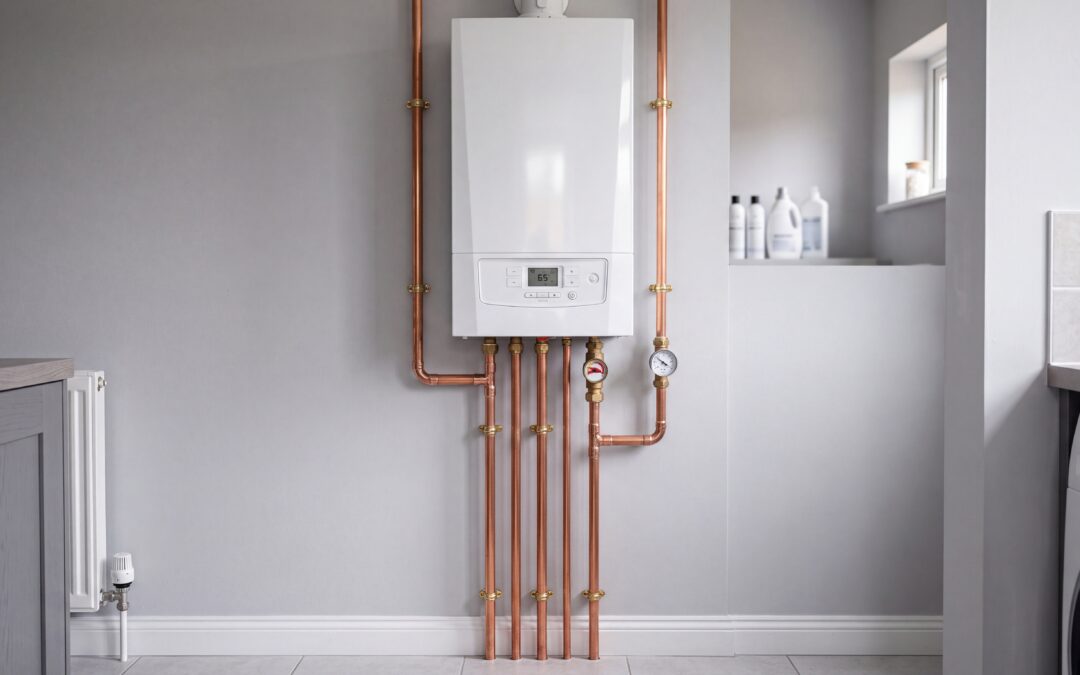
Emergency repairs are notoriously more expensive than planned, preventative maintenance. Homeowners and property managers can benefit greatly by breaking the cost-stress cycle associated with reactive repairs. Developing a regular maintenance schedule—which includes professional boiler servicing and pipework inspections—helps spread the cost of home care and prevents unexpected financial shocks.
Should an issue arise despite your preventative efforts, knowing how to respond to plumbing and heating emergencies is your final line of defence. Ensure every occupant of the household knows the exact location of the stopcock and how to operate it, as shutting off the water supply immediately is the single most effective action to limit structural damage.
Establish Professional Alliances
Ultimately, preventing plumbing emergencies requires a combination of vigilant homeowner habits and professional expertise. Attempting complex DIY fixes often worsens underlying issues, leading to the very emergencies you seek to avoid. Securing a relationship with a trusted local engineer before an issue arises saves invaluable time when you need professional intervention.