In an era of volatile energy markets and heightened environmental awareness, managing domestic and commercial overheads has never been more critical. For the vast majority of UK properties, the central heating system represents the single largest consumer of energy. Implementing targeted boiler efficiency tips can substantially mitigate these running costs, ensuring your heating system operates at peak performance while extending its operational lifespan.
Optimize Flow Temperatures and Controls
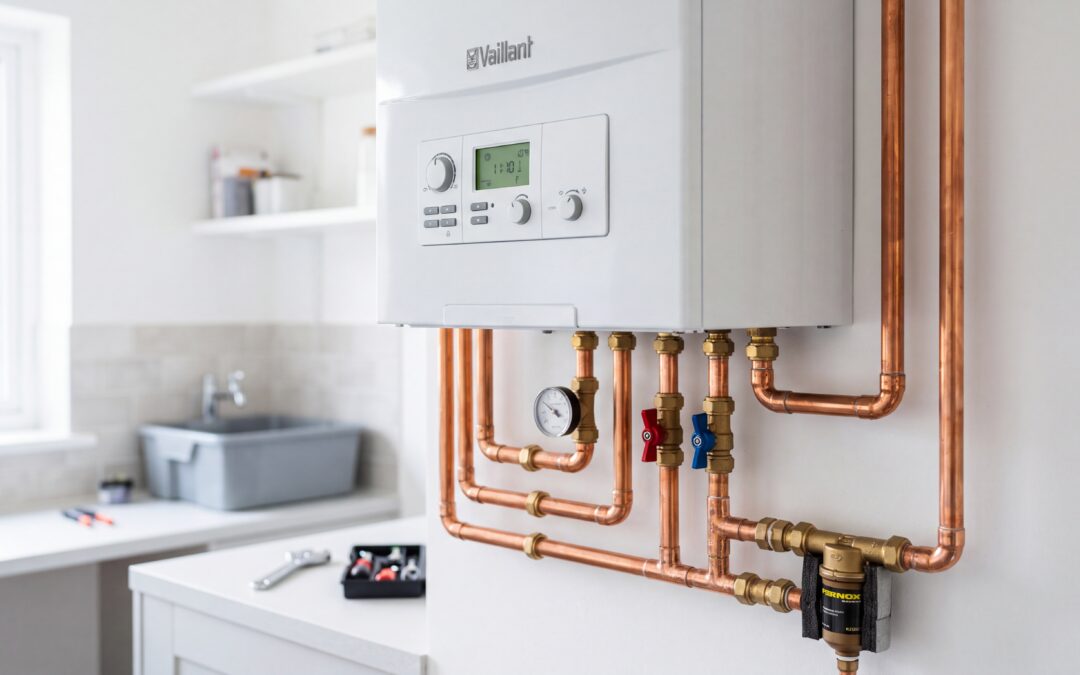
Modern condensing boilers are engineered to recover heat that would otherwise be lost through the flue. However, they only achieve their maximum rated efficiency—often exceeding 90%—when returning water is cool enough to trigger the condensing process. Many boilers are set to factory default flow temperatures that are unnecessarily high (often around 75°C to 80°C). By manually reducing the central heating flow temperature to 60°C or lower, you enable the boiler to operate in its highly efficient condensing mode without compromising indoor comfort.
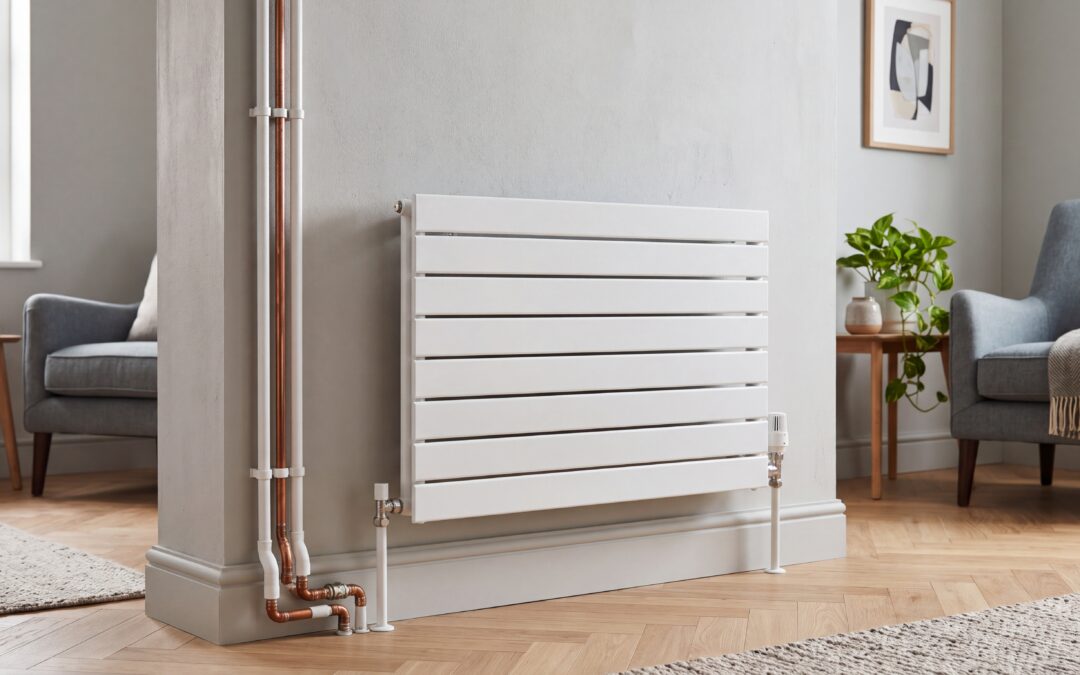
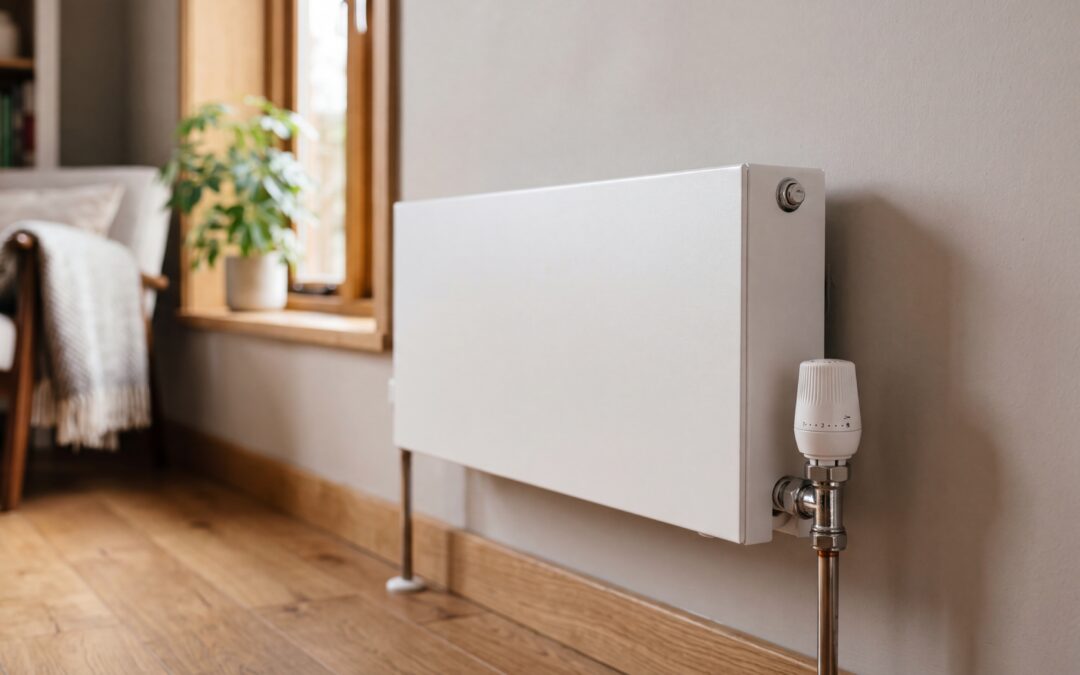
To supplement this adjustment, properties should utilize smart thermostatic controls and Thermostatic Radiator Valves (TRVs). Zoning your heating prevents the energy wastage associated with warming unoccupied spaces. Integrating these components is a cornerstone of achieving robust central heating efficiency, transforming a passive heating system into an actively managed, responsive network.
Execute Basic Preventive Maintenance
While complex diagnostics require a Gas Safe registered professional, building occupants can perform several basic maintenance tasks to prevent efficiency degradation. Air trapped within radiators creates cold spots, forcing your boiler to work harder and run longer to achieve the desired ambient temperature. Periodically bleeding your radiators restores balanced heat distribution and reduces fuel consumption.
Additionally, keeping a close eye on system pressure—ideally maintained between 1.0 and 1.5 bar on a standard pressure gauge—is vital. Low pressure can cause the system to drop in efficiency or shut down entirely. It is also beneficial to implement proactive habits throughout the year, such as running the heating briefly during warmer periods to prevent internal components from seizing; see our guide on summer boiler care for more on maintaining system health in the off-season.
Prioritize Annual Professional Servicing
Over time, soot, debris, and chemical scale can accumulate on the heat exchanger, insulating it and reducing heat transfer efficiency. A professional service ensures these components are meticulously cleaned and calibrated. For homeowners and commercial managers alike, scheduling an annual boiler service in Essex is the most reliable mechanism to safeguard efficiency, lower energy bills, and maintain manufacturer warranties.
During a service, engineers can also evaluate whether your system would benefit from a chemical power flush to clear out black iron oxide sludge. Removing this restriction restores optimal flow rates and heat transfer, directly reducing fuel usage. Review our comprehensive boiler maintenance tips to understand the compounding benefits of routine upkeep.
Assess the Viability of Replacement
Even the most meticulously maintained boiler will eventually succumb to wear and tear. If your appliance is over fifteen years old, it likely operates on non-condensing technology, capping its maximum efficiency at around 60% to 70%. In such scenarios, the financial case for upgrading becomes compelling, as the fuel savings of a modern, A-rated system can rapidly offset the capital expenditure.
When faced with rising repair costs, homeowners must weigh up the financial implications of maintaining an obsolete system versus upgrading. If you are debating this transition, our guide on boiler repair or replacement in Essex offers structured advice to help you make an informed financial decision. When you are ready to invest, selecting an appropriately sized and configured appliance is paramount; find detailed guidance on choosing the right boiler for your specific property layout.