Leaving for holiday should be an exciting time, not a source of worry about what might go wrong at home while you are away. Unfortunately, many homeowners return to find avoidable plumbing and heating problems that have developed into expensive repairs during their absence. A small issue such as incorrect boiler pressure, a slow leak, trapped air in radiators or an unchecked heating fault can quickly become a major inconvenience if left unnoticed for several days. For busy homeowners across Brentwood and the wider Essex area, taking a few simple precautions before departure can make all the difference.
Brentwood Heating Ltd regularly helps customers deal with urgent plumbing and heating issues that could often have been prevented with a few routine checks before travelling. Whether you are planning a short break or a longer holiday, the following six essential home checks can help protect your property, reduce the risk of breakdowns and give you greater peace of mind while you are away.
1. Check Your Boiler Pressure Before You Leave
Your boiler pressure is one of the most important indicators of whether your heating system is operating correctly. If the pressure is too low, your boiler may not function efficiently or could stop working altogether. If it is too high, it may place unnecessary strain on the system.
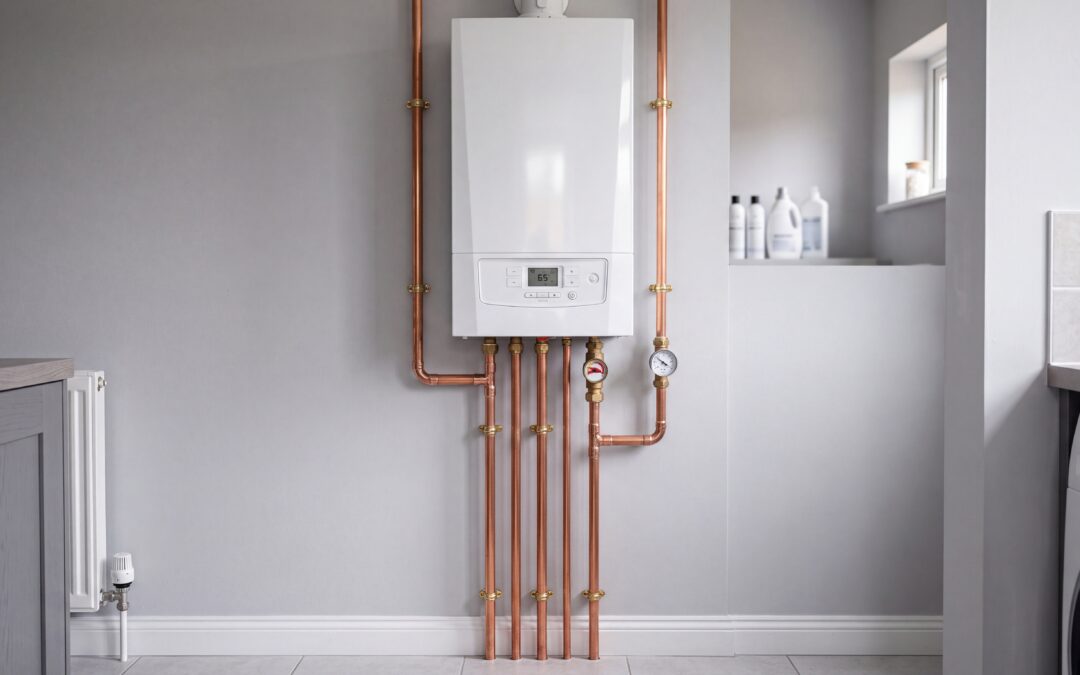
Before leaving for holiday, take a moment to check the pressure gauge on your boiler. In most homes, the ideal reading is typically between 1 and 1.5 bar when the system is cold, although this can vary depending on the boiler manufacturer. If you are unsure, refer to your boiler manual or seek professional advice.
Low pressure may point to a minor issue such as recent radiator bleeding, but it can also indicate a leak or another system fault. High pressure can be equally problematic. Identifying any irregularity before you travel gives you the opportunity to have it inspected and corrected rather than leaving your property vulnerable while empty.
2. Set Your Heating System to Holiday Mode
Many modern boilers and heating controls include a holiday mode or timed setting designed specifically for periods when the property is unoccupied. This feature allows you to reduce unnecessary energy use while still maintaining a safe background temperature.
Completely turning off your heating may seem like the obvious way to save money, particularly in warmer months, but this is not always the best approach. Sudden temperature drops, poor ventilation and damp conditions can all create problems, especially if the weather changes unexpectedly. During colder times of year, switching the heating off entirely can increase the risk of frozen pipes.
By using holiday mode, you can help protect your heating system and home while also avoiding wasted energy. If your current controls are outdated or difficult to programme, it may be worth speaking to a qualified heating engineer about newer, more user-friendly options.
3. Turn Off the Water Main if You Are Away for More Than Three Days
One of the most effective ways to prevent serious water damage is to turn off the water main before you go away, particularly if your home will be empty for more than three days. A burst pipe, leaking appliance hose or unnoticed plumbing fault can cause substantial damage in a short period of time if water is left running into the property unchecked.
Shutting off the mains water supply significantly reduces this risk. In many homes, the stopcock is located under the kitchen sink, in a utility room or near where the water supply enters the property. It is wise to check that you know where it is and that it turns properly well before your departure date.
If you do decide to turn off the water main, remember to consider any appliances or systems that may be affected. For example, some heating systems and water tanks may have specific requirements, so if you are uncertain, it is best to ask a professional. A quick conversation with an experienced plumber can help ensure you are taking the correct precautions for your particular setup.
4. Bleed Radiators and Test the Heating System
If you hear gurgling noises, notice cold spots on radiators or find that some rooms take much longer to warm up than others, trapped air in the system may be the cause. Bleeding your radiators before going away is a simple but worthwhile maintenance task that can improve efficiency and help highlight potential issues.
Once this is done, test your heating system to make sure everything is working as it should. Run the boiler, check that radiators heat up evenly and confirm that your thermostat and controls respond properly. If anything seems unusual, such as strange noises, uneven heating or delayed start-up, it is far better to arrange an inspection before leaving than to risk a complete breakdown while you are away.
This step is especially important if your holiday is taking place during autumn or winter, when your heating system may still need to protect the property even if nobody is at home. A system that has not been tested could fail at exactly the wrong moment.
5. Use Smart Technology for Remote Monitoring
Smart heating controls and leak detection devices are becoming increasingly popular among homeowners who want better visibility and control over their property while away. These systems allow you to monitor temperatures, adjust heating settings remotely and in some cases receive alerts if unusual activity is detected.
For example, a smart thermostat can let you confirm that your home is maintaining an appropriate temperature while you are abroad. Water leak sensors can notify you if moisture is detected near vulnerable areas such as under sinks, beside washing machines or around boilers. Some systems can even be linked with automatic shut-off valves for added protection.
For homeowners with busy schedules or second properties, this type of technology can offer significant reassurance. It is not a substitute for proper servicing and maintenance, but it can provide an extra layer of security and help you respond quickly if a problem develops.
6. Book Your Boiler Service During the Summer Months
One of the most sensible steps you can take to avoid unexpected repairs is to have your boiler serviced annually, ideally during the summer. Many homeowners wait until colder weather arrives before thinking about their boiler, but by then engineers are often dealing with a much higher volume of emergency breakdowns.
A summer boiler service gives you the opportunity to identify wear and tear, safety concerns or efficiency issues before the system is placed under greater demand. It also means you can go into the colder seasons with confidence that your heating and hot water are ready when needed.
For those planning holidays during the warmer months, this timing is particularly convenient. Servicing your boiler before travel means one less thing to worry about, and it allows any necessary repairs to be completed without urgency. At Brentwood Heating Ltd, all engineers are Gas Safe registered and experienced in working with leading boiler brands including Worcester-Bosch, Vaillant, Ideal and Baxi, helping homeowners across Brentwood, Upminster, Hornchurch, Southend and the surrounding Essex area keep their systems safe and dependable.
Taking a proactive approach before leaving for holiday can save considerable time, money and stress. Checking boiler pressure, using holiday mode, turning off the water main for longer trips, bleeding radiators, using smart monitoring technology and arranging regular boiler servicing are all practical steps that help reduce the risk of damage and disruption.
A little preparation now can prevent a great deal of inconvenience later. If you would like expert assistance with boiler servicing, heating checks, plumbing inspections or emergency support, Brentwood Heating Ltd offers a reliable, responsive service tailored to the needs of homeowners and commercial clients throughout Essex. When it comes to protecting your home while you are away, professional support and preventative maintenance remain the smartest investment.