Are outdoor wood-fired boilers a good fit for UK homes?
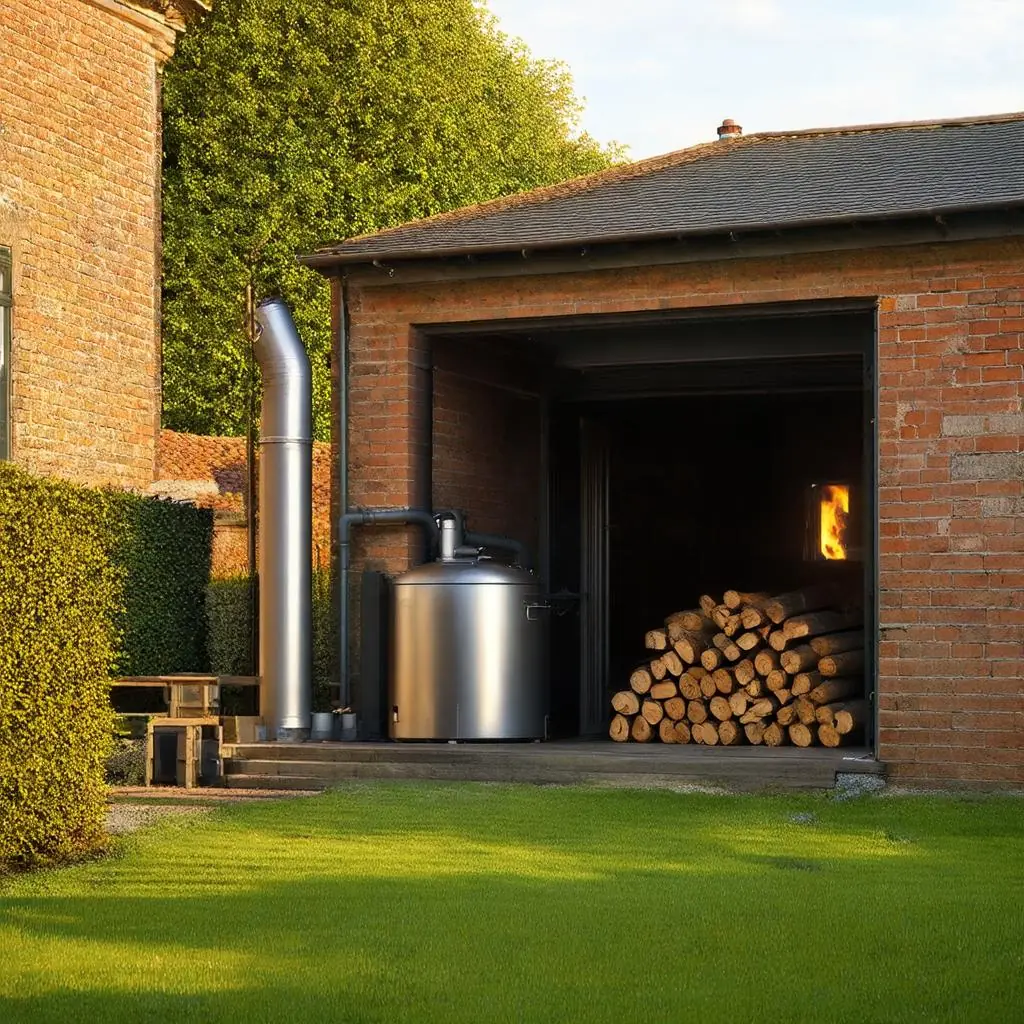
The short answer is: sometimes. Interest in outdoor wood-fired boilers (often called biomass or log gasification boilers) has grown as households and property managers look for lower-carbon heat and protection against volatile gas prices. These systems are typically sited in an outbuilding or weatherproof enclosure and connected to your home’s “wet” central heating via insulated underground pipework and a thermal store (buffer tank). When designed and used correctly, they can deliver efficient, comfortable heat; when poorly matched to the property or local conditions, they can be costly, inconvenient, or fall foul of regulations.
What follows is a balanced overview to help you assess whether an outdoor wood-fired boiler is a practical choice for your home or portfolio in Brentwood and the wider Essex area.
-
Energy efficiency and performance
- Modern log gasification boilers can achieve high combustion efficiencies (often quoted in the 80–90% range) when paired with a correctly sized thermal store. The boiler runs hot, charging the store efficiently; heat is then drawn steadily to the heating system. This avoids wasteful low-temperature slumbering that leads to tar and creosote.
- Real-world performance depends on fuel quality and user behaviour. Dry wood is essential: sub‑20% moisture content (“Ready to Burn” certified) dramatically improves efficiency, reduces soot, and cuts emissions. Wet wood undermines efficiency and increases maintenance.
- System design matters. A well-insulated thermal store, properly sized pumps and mixing valves (to protect the boiler return temperature), and high-grade pre-insulated underground pipework keep losses low. Without these, you can lose a significant amount of the heat you generate.
-
Environmental impact
- Carbon: Wood is often described as “carbon neutral” because the CO2 released during combustion is roughly balanced by the CO2 absorbed during the tree’s growth. In practice, carbon performance depends on sustainable forestry, transport distances, and moisture content. Locally sourced, seasoned wood has a stronger emissions case than imported or wet fuel.
- Air quality: Even efficient biomass appliances emit particulate matter (PM2.5) and NOx. The UK’s domestic combustion sector is a major contributor to fine particulate pollution. An outdoor boiler’s flue discharges outside (reducing indoor exposure) but does not eliminate local air-quality impacts. A modern, Ecodesign-compliant, DEFRA‑exempt appliance burning dry wood is essential, and in some locations wood combustion may remain inadvisable.
-
Running costs versus gas
- Fuel: If you have reliable access to inexpensive logs (own woodland, tree surgery arisings, or a trusted local supplier), wood can be cost-competitive, especially for larger, heat‑hungry properties. Bought-in kiln-dried logs are more expensive; costs vary by region and season.
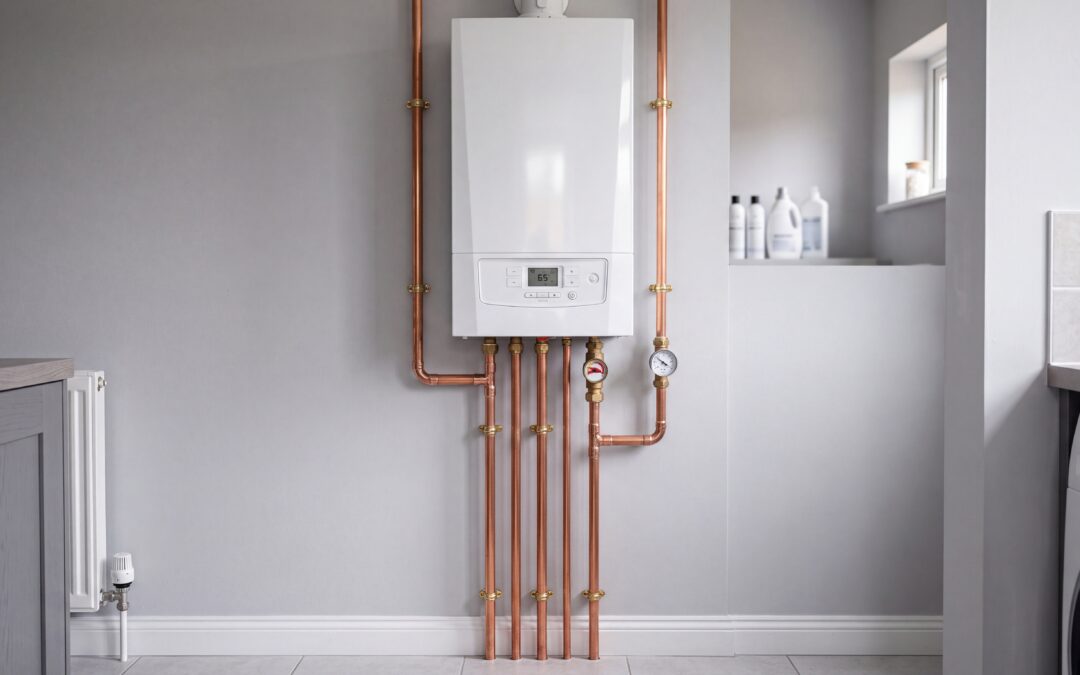
- Gas comparison: Mains gas still provides low unit-cost heat for most urban and suburban homes. At typical 2025 tariffs, many standard houses will find a modern, correctly sized gas boiler cheaper to run than a professionally supplied log supply—though this can flip for off‑gas properties or where wood is genuinely low-cost.
- Capital costs: Expect a higher upfront investment for an outdoor wood-fired system than for a replacement gas boiler. A realistic project budget often includes the boiler, thermal store (frequently 800–2000 litres), flue, fuel store, trenching and insulated pipework, controls, and integration with your existing plant. Maintenance time (fuel handling, ash management) also has a “cost” you should factor in.
-
Compatibility with existing central heating
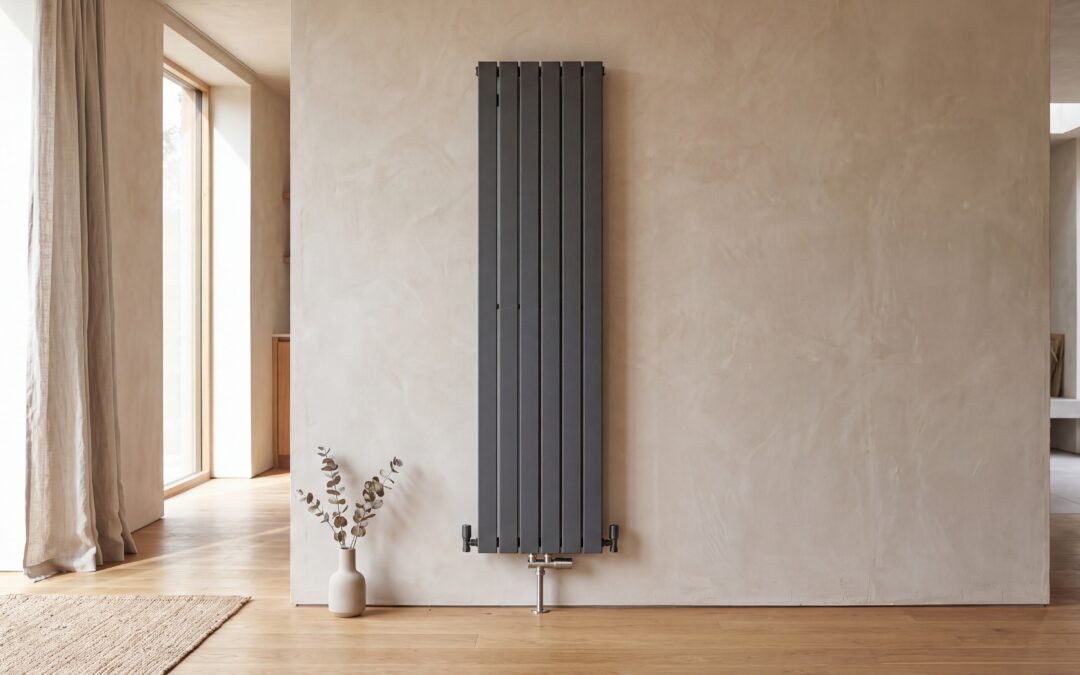
- Wet systems: Outdoor wood-fired boilers connect well to conventional radiator or underfloor circuits via a thermal store. Radiators typically do not need replacing because biomass can run at higher flow temperatures than heat pumps.
- Hot water: Domestic hot water is usually provided via an indirect cylinder connected to the thermal store. Priority domestic hot water controls can ensure strong, reliable hot water performance.
- Hybrid setups: Many households pair a log boiler with a backup gas or LPG boiler for convenience. Controls can be set so the log boiler does the heavy lifting when charged, with the gas boiler picking up when you are away or do not wish to load wood. This can be an attractive option for busy households and commercial sites seeking resilience.
-
Maintenance and day-to-day practicalities
- Fuel handling: You will need dry, covered storage for significant volumes of wood and a convenient, safe route for loading the boiler. Plan for the space and effort involved—especially in winter.
- Servicing and cleaning: Regular ash removal, heat‑exchanger cleaning, and at least annual flue sweeping are needed. Expect more hands‑on involvement than with a gas boiler. A well-installed system with good fuel will be cleaner and easier to maintain.
- Reliability: Quality components, correct hydraulics, and good insulation are essential for low‑maintenance operation. Pumps, mixing valves, and controls should be selected for continuous, high‑temperature service.
-
Regulations and approvals specific to the UK
- Smoke Control Areas (SCA): Many urban and suburban districts are Smoke Control Areas. In an SCA you must use a DEFRA‑exempt appliance and burn authorised fuels. Non‑exempt appliances burning wood are not permitted. Check your local authority’s SCA maps and rules before proceeding.
- Ecodesign and emissions: Since 2022, solid fuel boilers must meet Ecodesign efficiency and emissions limits. Choose equipment with appropriate certification and emissions data (PM and NOx).
- Fuel regulations: The “Ready to Burn” rules restrict the sale of wet wood in small quantities; you should use fuel with moisture content below 20%.
- Planning and building control: Flues usually need to terminate at safe heights and distances to disperse emissions; outbuildings and external flues can require planning permission, particularly in conservation areas or for listed buildings. Building Regulations (notably Part J for combustion appliances) apply; installation by a competent, registered installer and appropriate notification is essential.
- Grants: The Domestic RHI is closed. Limited support for biomass may be available under the Boiler Upgrade Scheme for certain rural, off‑gas properties that meet strict criteria and emissions standards; heat pumps attract higher grant levels in most cases. Check current eligibility and funding levels before committing.
- Commercial systems: Larger plant may require environmental permits and must comply with the Medium Combustion Plant Directive (MCPD) thresholds. Property managers should obtain professional compliance advice early.
-
Where outdoor wood-fired boilers make the most sense
- Rural, off‑gas properties with high heat demand (farmhouses, large homes, multi‑unit sites).
- Owners with dependable access to low‑cost, dry wood and adequate space for fuel and plant.
- Sites where a boiler house or containerised plant can be sited with appropriate flue dispersion and minimal impact on neighbours.
-
Where they are less suitable
- Homes within Smoke Control Areas without access to a DEFRA‑exempt appliance and authorised fuel.
- Typical suburban properties on the gas grid with modest heat demand and limited outdoor space.
- Households seeking largely “fit‑and‑forget” heating with minimal maintenance input.
How Brentwood Heating can help you decide
As a locally owned, Brentwood-based heating specialist serving Essex—from Upminster and Hornchurch to Southend—we understand the practical realities of heating homes and commercial properties in our area. While we are renowned for fast, reliable gas boiler repair, servicing, and installation (Worcester-Bosch, Vaillant, Ideal, Baxi), we also design and integrate central heating systems that work in the real world—balancing efficiency, comfort, compliance, and cost.
If you are exploring outdoor wood-fired boilers, we can:
- Assess your property’s heat demand and current system to judge technical compatibility (radiators, underfloor, hot water).
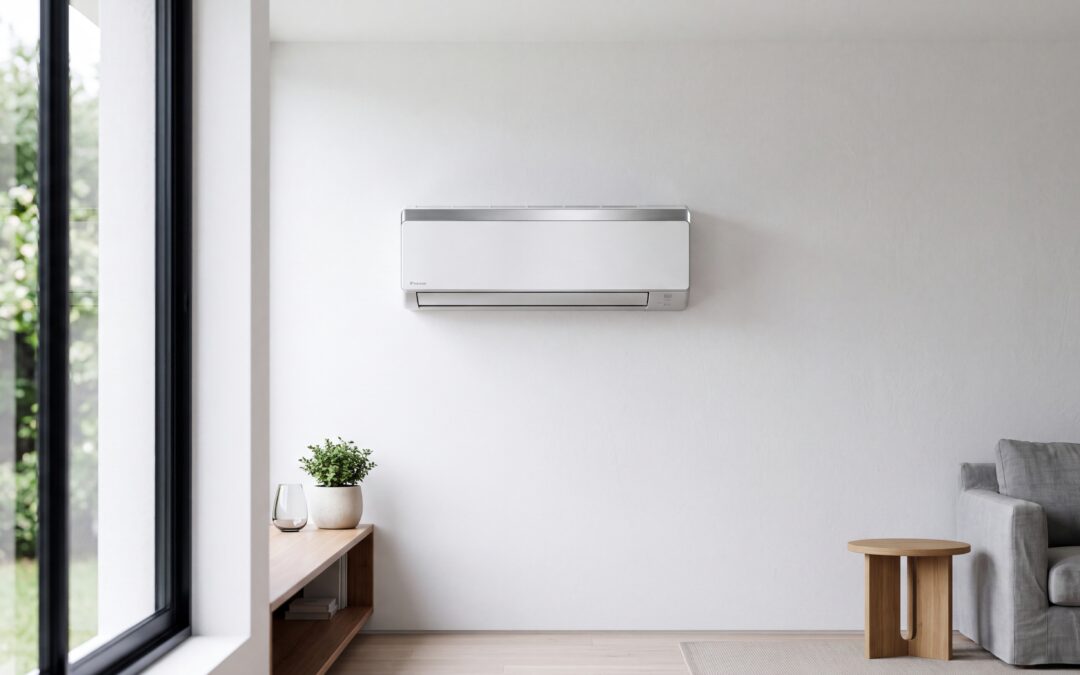
- Outline the capital, running, and maintenance implications compared with modern gas boilers or other low‑carbon options such as heat pumps.
- Identify regulatory constraints relevant to your address (Smoke Control Area status, flue placement, Building Regulations) and guide you toward competent, appropriately certified biomass installers where needed.
- Design robust hybrid solutions (for example, pairing a high‑efficiency gas boiler with renewable heat sources) to give you comfort, resilience, and control over bills.
- Provide transparent, tailored quotations and guarantees, with the rapid response and tidy, respectful workmanship our clients highlight in their reviews.
The bottom line
Outdoor wood-fired boilers can be an efficient, lower‑carbon option in the right circumstances—particularly for rural, off‑gas homes with space for fuel storage and a commitment to using dry, sustainably sourced wood. For many Essex properties on the gas grid, a modern condensing boiler or a well‑designed alternative such as a heat pump may deliver the best balance of cost, convenience, and compliance.
If you would value a clear, unbiased assessment of your options—and a heating partner who will keep your system running reliably day and night—our Gas Safe registered engineers are here to help. Reach out to Brentwood Heating Ltd for expert advice, swift support, and solutions tailored to your home or portfolio.