If you manage a household, a portfolio of rentals or a compact commercial space in Brentwood, Upminster, Hornchurch, Southend or anywhere across Essex, you need heat and hot water that just works. The quickest route to that outcome is making clear, informed choices up front—on boiler type and brand, on system sizing and controls—and keeping the system clean, compliant and maintained. The following guide sets out the essentials.
-
Choosing the right boiler type
- Combi boilers
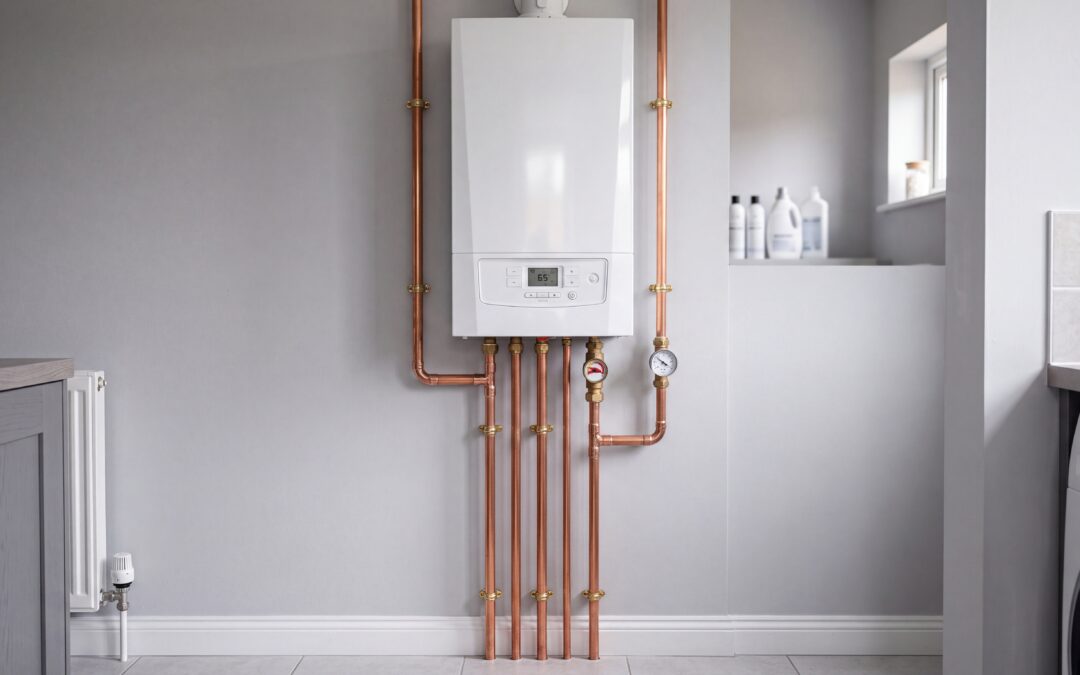
- What they are: A single wall-hung unit providing heating and instantaneous hot water from the mains—no separate cylinder.
- Best for: Flats and small to medium homes with one bathroom; light‑to‑moderate simultaneous hot water demand; tight airing-cupboard space.
- Pros: Compact, lower upfront cost, no stored hot water losses, simple installation.
- Watch-outs: Flow rate limits; two showers at once can strain smaller combis; not ideal where water pressure is weak or in larger HMOs.
- System boilers (with an unvented hot water cylinder)
- What they are: A boiler feeding central heating and a pressurised cylinder that stores hot water for taps and showers.
- Best for: Medium to large homes, multiple bathrooms, HMOs with morning/evening peaks, small commercial sites needing simultaneous hot water draw-off.
- Pros: Strong, consistent hot water at multiple outlets; good with modern thermostatic showers; flexible for zoning.
- Watch-outs: Requires cylinder space; slightly higher capital cost; cylinder maintenance (annual safety checks).
- Regular (heat-only) boilers (typically with a vented cylinder and loft tanks)
- What they are: Traditional setup found in many Essex houses; boiler plus hot water cylinder and cold-water storage.
- Best for: Like-for-like replacements where loft tanks are retained; properties with older radiators/piping not ready for sealed systems.
- Pros: Can be very reliable in the right setting; gentle on older systems.
- Watch-outs: Takes up more space; lower mains pressure to hot taps unless upgraded; more components to maintain.
- Quick decision rule of thumb
- 1 bathroom, modest space: modern combi sized correctly.
- 2+ bathrooms, regular simultaneous hot-water use: system boiler + unvented cylinder.
- Retaining legacy pipework/tanks or low mains pressure: consider regular boiler or upgrade to system with appropriate mains/pressure solutions.
-
Comparing leading brands for Essex properties
- Worcester Bosch: Broad range, strong reliability record, quiet operation, excellent UK support. Often attractive extended guarantees when installed by accredited engineers. Controls include Bosch EasyControl; some proprietary protocols.
- Vaillant: Efficient, well‑engineered, low-noise appliances. Good modulation ranges for smooth operation and savings. Vaillant controls integrate via eBUS; strong parts availability.
- Ideal: Solid performance with competitive pricing and long warranties on select models. Good choice when balancing budget and warranty length, with OpenTherm compatibility on many lines.
- Baxi: Dependable, installer‑friendly, and strong after‑sales support. A practical option for straightforward replacements and value without sacrificing reliability.
- How to choose: Weigh local water quality (Essex is a hard‑water area), hot water demand (flow rate in litres/min), available flue routes, controls integration, and warranty terms. With accredited installation, guarantees up to 10 years are available on select models across these brands.
-
Getting boiler size right (homes, HMOs, small commercial)
- Heat output (kW) for space heating should follow a heat‑loss calculation that accounts for property size, insulation, windows and air‑tightness. Oversizing causes cycling and higher bills; undersizing causes cold rooms.
- Domestic hot water demand is critical in combis: flow rate at a reasonable temperature rise is the limiter. For two showers at once, consider either a high‑output combi (and excellent mains pressure) or a system boiler with an unvented cylinder.
- HMOs: Prioritise simultaneous demand and resilience. System boiler + unvented cylinder (or twin cylinders) with priority hot water often beats an oversized combi. Fit robust, tamper‑resistant controls and TRVs.
- Small commercial (salons, clinics, offices): Look at peak‑time hot water draws (e.g., back‑to‑back hair washing) and zoning by use areas. In certain cases, cascaded smaller boilers provide redundancy and easier maintenance windows.
-
Lifecycle costs, not just purchase price
- Upfront: Appliance + flue + system clean + controls + any cylinder/pipework upgrades.
- Operating: Gas consumption (efficiency and modulation matter), routine servicing, water‑treatment/top‑ups, occasional parts.
- Downtime risk: Older or poorly flushed systems strain pumps, valves and heat exchangers. An extra hour of setup and proper cleaning now can save repeated call-outs later.
- Warranties: Manufacturer-backed guarantees (often up to 10 years when installed by accredited engineers and serviced annually) reduce long‑term risk and help budgeting.
-
Smart controls and zoning that pay back
- Room thermostats and TRVs: Minimum standard. TRVs let each room self‑regulate; balancing ensures radiators heat evenly.
- Zoning: Split living/sleeping areas or floors with motorised valves and dedicated thermostats for tighter control in larger homes and HMOs.
- Advanced controls: Weather compensation adjusts boiler output to outdoor temperature for smoother, more efficient heating. Load compensation/OpenTherm‑type controls fine‑tune boiler modulation to match actual demand.
- Smart features for managers: App scheduling, geofencing, usage reports and lockout/tamper settings reduce waste, especially in rentals and small commercial spaces.
- Hard‑water protection: In Essex, combine smart control with scale protection on combis and plate heat exchangers to maintain efficiency.
-
Power flushing and system cleanliness
- Why it matters: Sludge (magnetite) and limescale reduce heat transfer, create cold radiators and force the boiler to work harder—raising bills.
- What it is: A controlled, high‑flow chemical clean using specialist pumps and magnets, followed by inhibitor dosing and (often) a magnetic filter install.
- When to do it: Before fitting a new boiler to protect the warranty; when you have persistent cold spots, noisy operation, dirty bleed water, frequent pump/fan faults, or erratic heating.
- Caveats: Very delicate/old pipework or microbore systems may need a tailored approach (e.g., staged or mains-pressure chemical clean). A survey will identify the safest method.
-
Compliance, safety and landlord certification
- Gas Safe: Any work on gas appliances, flues or pipework must be carried out by a Gas Safe registered engineer. This is non‑negotiable for safety and legality.
- Landlord responsibilities: Annual Gas Safety check for each rented property, with a Gas Safety Record provided to tenants within the required timeframes and retained for your files. Appliances, chimneys and flues included.
- Ventilation and CO alarms: Fit carbon monoxide alarms where required and in any room with a fuel‑burning appliance; test regularly.
- Building Regulations: Upgrades must meet current efficiency and control standards (e.g., proper zoning, TRVs, load/compensation where applicable, and correct flueing/condensate arrangements).
-
Seasonal maintenance checklist (simple, quick, effective)
- Early autumn
- Test heating before the first cold snap; confirm radiators warm evenly.
- Check system pressure (sealed systems) and top up if below the recommended range; investigate frequent drops (could indicate a leak or expansion vessel issue).
- Bleed any cold radiators; balance the system if rooms heat unevenly.
- Review programmer/thermostat schedules; update for new occupancy patterns.
- Book annual service with a Gas Safe engineer (required for most warranties).
- Winter
- Keep condensate pipework protected from freezing; if it repeatedly freezes, ask about insulation or rerouting.
- Monitor for frequent boiler resets, unusual noises or radiators that stay cool.
- Spring
- Consider a system clean or power flush if performance has dipped.
- Dose inhibitor and check the magnetic filter for sludge.
- Review any tenant feedback and fine‑tune zoning/controls.
- Summer
- Cylinder-only hot water schedules can save energy; turn down setpoints within safe limits.
- Plan upgrades during lower‑demand months to minimise disruption across portfolios.
-
Repair or replace? Clear warning signs
- Age and efficiency: 12–15+ years old, non‑condensing, or frequent faults—replacement typically beats repeated repair on lifetime cost and reliability.
- Rising energy bills with no change in usage: Often points to poor combustion, scaling or sludge—service/flush may help; consider upgrade if persistent.
- Hot water/pressure inconsistency on combis: If mains pressure is fine but temperature swings persist, heat exchanger scaling may be severe; assess repair vs upgrade with scale protection.
- Frequent call‑outs and hard‑to‑source parts: Signals end‑of‑life. New installations with long guarantees reduce risk and downtime.
- Safety concerns: Any signs of flue issues, sooting, yellow flames or CO alarm activations—shut down, ventilate and call a Gas Safe engineer immediately.
2) Fast, budget‑matched next steps in Brentwood and across Essex
To minimise downtime and maximise comfort, move through a simple, transparent process—tailored for busy homeowners and property managers.
-
Book a fast survey
- Arrange a convenient on‑site visit in Brentwood or anywhere in wider Essex (Upminster, Hornchurch, Southend and beyond). Expect punctual attendance, tidy working practices and clear communication.
- The survey covers heat‑loss, hot‑water demand, water pressure/flow, flue/condensate routes, controls/zoning needs and any compliance items.
-
Receive a tailored, like‑for‑like and upgrade‑option quote
- You will receive clear, comparable options across leading brands—Worcester Bosch, Vaillant, Ideal and Baxi—matched to your property type and budget.
- Quotes outline lifecycle costs (installation, expected running costs, servicing) and warranty terms, with manufacturer‑backed guarantees up to 10 years on select models.
-
Choose the right controls and protection
- Select smart controls (with app access and tamper settings for rentals), weather/load compensation where suitable, and TRV/zoning strategies that cut waste.
- Add system protection—power flushing where indicated, magnetic filtration and scale control for hard water—to safeguard efficiency and warranties.
-
Schedule installation or remedial works with minimal disruption
- Flexible booking, including out‑of‑hours and 24/7 emergency call‑outs when required, keeps your tenants or business operating.
- All gas work carried out by Gas Safe registered engineers; all work documented for your compliance records (including landlord Gas Safety certification on request).
-
Handover, guarantees and ongoing support
- Post‑installation commissioning, controls setup and user guidance ensure you are comfortable from day one.
- Documentation includes warranties, servicing schedule and recommended seasonal checklist. Annual servicing reminders help keep guarantees valid and systems efficient.
- For portfolios and HMOs, portfolio‑wide maintenance plans can standardise equipment, reduce spares complexity and streamline call‑outs.
With a focus on rapid response, clear communication and high‑quality workmanship, Brentwood Heating Ltd—locally owned and operated by Lewis Trembling—delivers reliable, hassle‑free heating and plumbing services across Brentwood and the wider Essex region. Whether you need an urgent repair, a clean and compliant upgrade, or a strategic plan for multiple properties, you can request a tailored quote that aligns to your budget without compromising quality. The result: faster, cleaner installs; long guarantees; and comfortable, energy‑efficient properties that stay warm when it matters most.