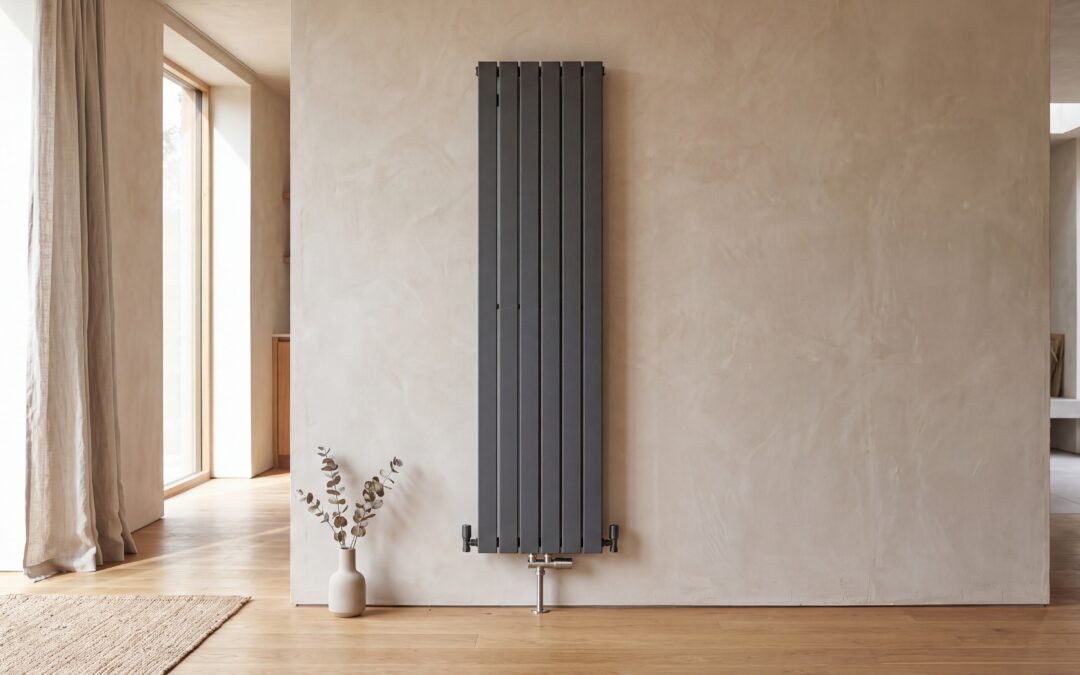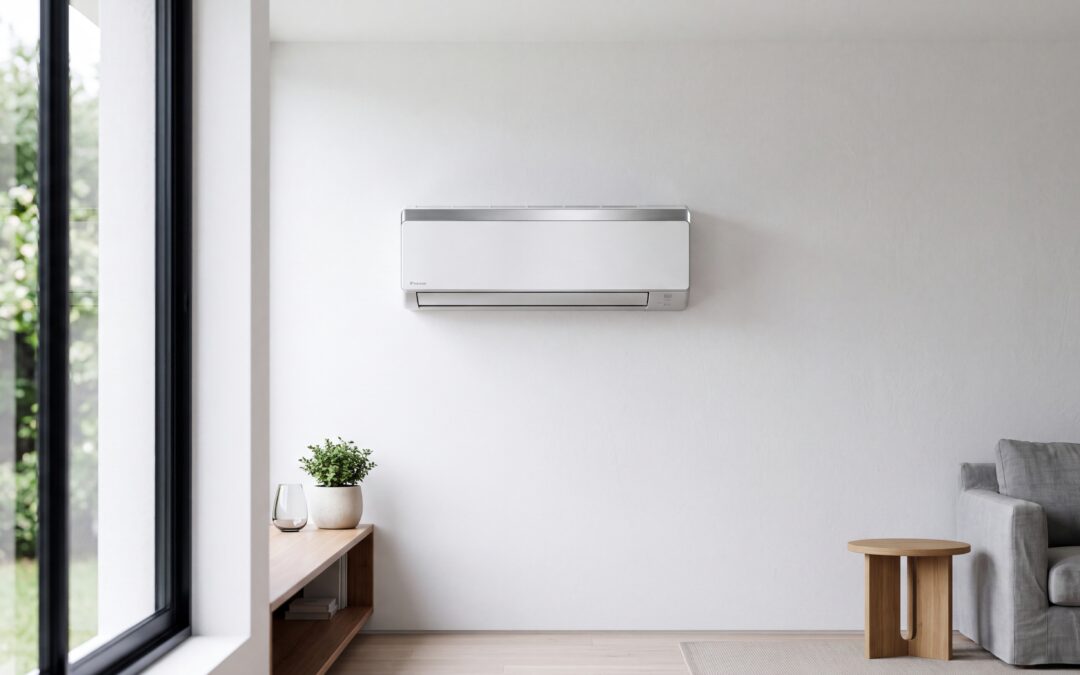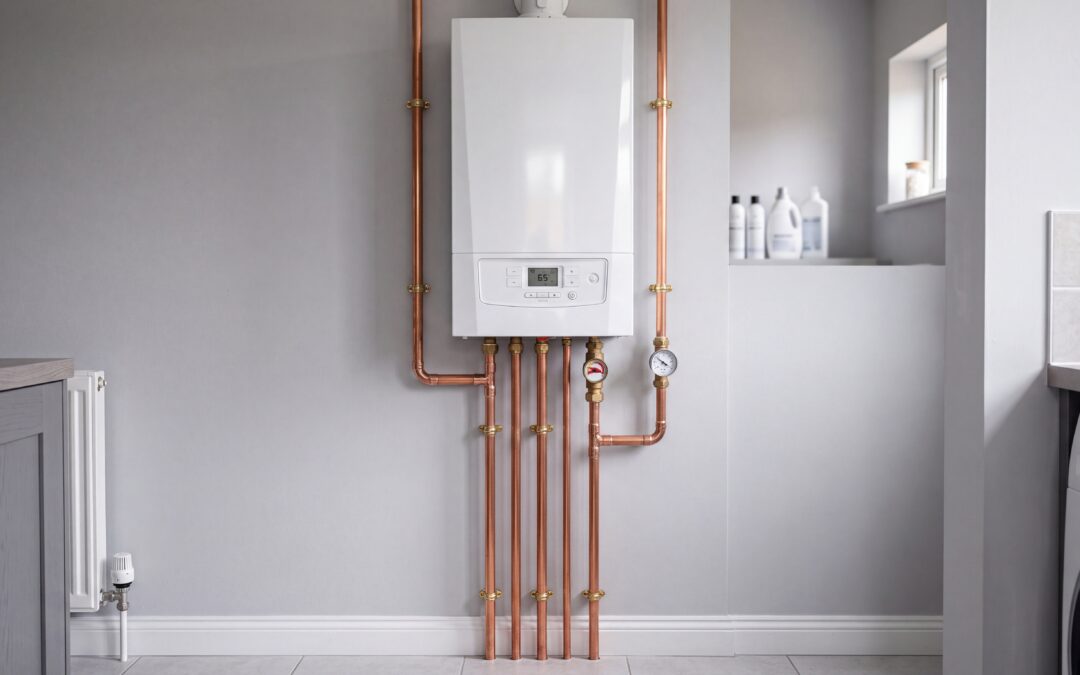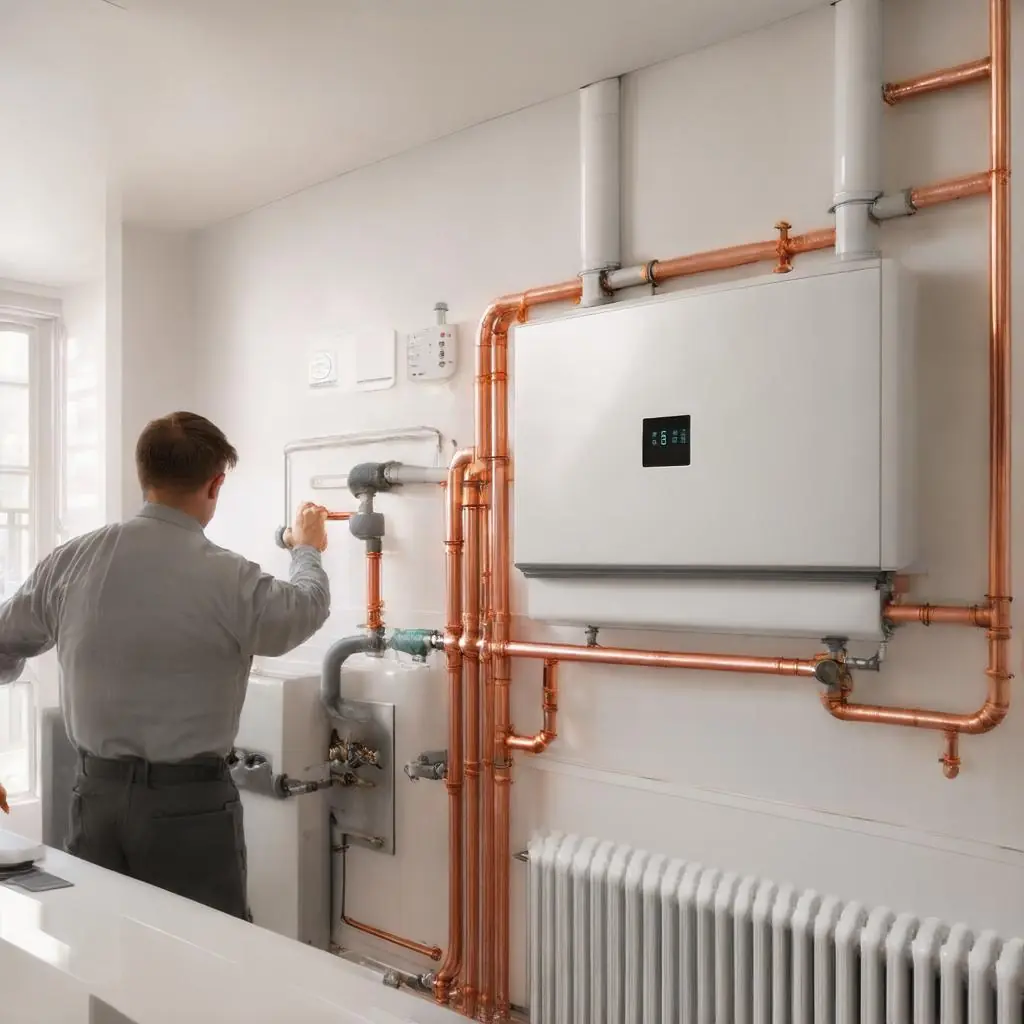
1) Define your property’s heating and hot-water demand
- Domestic homes: Count bathrooms, radiators, and typical usage times (morning/evening peaks). Consider future plans such as loft conversions or bathroom additions.
- Multi-occupancy and commercial sites: Map usage by floor or zone, highlight simultaneous hot-water draws (e.g., multiple showers), and identify any operational-critical spaces that must never be cold (server rooms, treatment areas, reception).
- Water pressure and space: Note incoming mains pressure, loft or airing-cupboard space, and any legacy tanks. In hard‑water areas such as much of Essex, plan for scale protection.
2) Choose the right boiler type for your building and routine
- Combi boilers (Worcester-Bosch, Vaillant, Ideal, Baxi):
Best for flats and small-to-medium homes where space is at a premium and hot water is needed for one outlet at a time. They heat water on demand, meaning no cylinder.
Advantages: Compact, efficient, fewer components, quick installations.
Considerations: Can struggle with multiple simultaneous showers; performance depends on mains pressure. - System boilers (Worcester-Bosch, Vaillant, Ideal, Baxi):
Pair a boiler with an unvented hot-water cylinder to serve multiple bathrooms reliably.
Advantages: Strong flow rates to several outlets, good for families or small commercial sites.
Considerations: Requires cylinder space; slightly higher installation complexity. - Regular (conventional) boilers (Worcester-Bosch, Vaillant, Ideal, Baxi):
Work with a cylinder and header tanks, common in older properties.
Advantages: A straightforward “like-for-like” swap in gravity-fed systems; can suit large, traditional pipework layouts.
Considerations: More components to maintain; tanks take space; upgrades to modern controls may be advisable.
Brand notes: Worcester-Bosch, Vaillant, Ideal, and Baxi all supply high-efficiency models across combi, system, and regular types. Selection should be driven by property demand, available space, and budget rather than brand name alone. Brentwood Heating Ltd regularly works with all four, so you can compare like-for-like options in one visit.
3) Size for comfort and efficiency, not just maximum output
- Correct sizing means stable, quiet operation and lower bills. Oversizing causes short-cycling and wear; undersizing leaves rooms cold at peak times.
- Ask for a whole‑house heat‑loss calculation, factoring insulation, glazing, and room volumes.
- Look for modulating boilers with wide turndown ratios to match lower spring/autumn demand efficiently.
4) Plan smarter heat distribution and control
- Smart controls: App-based thermostats and manufacturer systems allow schedules, geofencing, and usage insights. They create convenience for busy schedules and let property managers adjust settings remotely across sites.
- Zoning: Divide large homes or multi-storey buildings into zones (e.g., living vs. sleeping areas, floors, or tenancy units). Each zone gets its own thermostat for better comfort and energy savings.
- TRVs (thermostatic radiator valves): Fit TRVs on most radiators to fine-tune room temperatures. They are cost-effective and essential where rooms have different solar gain or occupancy.
- Radiator balancing: After upgrades or new installs, balancing ensures even heat. Symptoms of poor balance include some rooms overheating while others lag behind; balancing resets flows across the system for uniform performance.
5) Water quality: when a power flush restores performance
- Sludge and magnetite form over time, reducing efficiency and risking boiler damage.
- Signs you may need a power flush:
- Cold spots (usually at the bottom) of radiators despite bleeding
- Noisy boiler or “kettling” sounds
- Radiators slow to heat or uneven across the home
- Dirty system water (dark/black when drained)
- A professional power flush uses chemicals and circulation to clear debris, often restoring heat output and protecting new components. Add a magnetic filter and corrosion inhibitor to keep the system clean. In hard‑water areas, consider scale control for plate heat exchangers in combis and for cylinders.
6) Installation planning with minimal disruption
- Typical swaps:
- Combi-to-combi: often 1–2 days
- System/regular with cylinder changes: 2–3 days (more if re-piping and zoning)
- Keep hot-water continuity in mind: plan works mid‑week, avoid peak trading hours for commercial sites, and consider temporary heaters.
- Brentwood Heating Ltd operates with tidy work practices and clear timelines so households and busy premises can stay productive.
7) Safety and compliance you must never skip
- Gas Safe registration: Only use Gas Safe registered engineers for any gas work. This is a legal requirement and your assurance of competency. All Brentwood Heating engineers are Gas Safe registered.
- Landlord and commercial compliance: Annual Gas Safety Certificate (CP12) for rented properties; keep records and remediate advisories quickly.
- Ventilation and flue integrity: Ensure the flue route is clear, terminals are unobstructed, and alarms (CO) are installed as required.
- Annual servicing: Maintain warranties, sustain efficiency, and catch early faults. Schedule services proactively—align with quieter seasons for minimal disruption.
8) Make budgets predictable with tailored quotes and long warranties
- Request a survey-based quote that itemises boiler, controls, filters, flushing, and any zoning or radiator works.
- Consider whole‑life cost: energy savings, fewer call-outs, and warranty coverage. Select models can carry warranties up to 10 years when installed and maintained to manufacturer standards.
- Brentwood Heating provides tailored quotations to suit different boiler types and budgets, helping you balance upfront spend with reliability over the long term.
9) When a 24/7 call-out is the right decision
- Smell of gas or a triggered CO alarm (evacuate and call immediately).
- No heating or hot water in freezing weather or vulnerable settings (care facilities, young children, elderly residents).
- Visible leaks from the boiler or heating pipework.
- Pressure rapidly rising or dropping, frequent lockouts, or persistent error codes.
- Loud bangs, kettling, or burning smells.
- Pilot issues on older boilers or signs of sooting.
Brentwood Heating’s emergency response operates 24/7 across Brentwood and wider Essex, minimising downtime for homes and commercial sites.
Quick checklists for Brentwood, Upminster, Hornchurch, and Southend
Homeowners’ quick checklist
- Define needs: number of bathrooms, radiators, and future renovations.
- Choose type:
- Combi for compact homes with single-bathroom priority.
- System for two or more bathrooms with frequent simultaneous use.
- Regular if retaining tanks/legacy pipework or doing like-for-like in a traditional system.
- Controls: Add smart thermostat, TRVs in most rooms, and consider basic zoning for upstairs/downstairs.
- Water quality: Ask for system water test; include magnetic filter, inhibitor, and scale control in hard‑water locales.
- Efficiency: Confirm correct boiler size and wide modulation. Balance radiators after works.
- Compliance: Gas Safe installation, CO alarm, and annual servicing scheduled.
- Warranty and paperwork: On select models, choose warranties up to 10 years; keep benchmark/service records safe.
- Budget: Request a detailed, tailored quote that covers flushing, controls, and any radiator upgrades so there are no surprises.
Property managers’ multi‑site checklist
- Portfolio mapping: List each site’s boiler type, age, warranty expiry, last service date, and known pain points.
- Standardisation: Where practical, standardise on a shortlist of models from Worcester‑Bosch, Vaillant, Ideal, and Baxi to simplify spares and maintenance.
- Remote oversight: Deploy smart controls for schedule control, frost protection, and consumption insights across sites.
- Zoning and TRVs: Zone by floor or tenancy; fit TRVs to reduce overheating complaints and cut waste.
- Planned maintenance: Annual services booked in a rolling calendar; log landlord Gas Safety Certificates (CP12) and remedial actions.
- Water quality programme: Power flush older or problematic circuits; fit magnetic filters; maintain inhibitor and limescale protection.
- Risk triggers: Define escalation rules for out‑of‑hours failures (vulnerable occupants, cold snaps, water ingress, leaks).
- Lifecycle planning: Replace end‑of‑life units proactively with models offering long warranties (up to 10 years on select boilers) to stabilise budgets.
- Procurement: Use survey-led, itemised quotes, with clear SLAs for response times and tidy, insured work practices.
How Brentwood Heating Ltd keeps it hassle‑free
- Local, rapid response: 24/7 emergency cover across Brentwood, Upminster, Hornchurch, Southend, and the wider Essex area.
- Certified and experienced: All engineers Gas Safe registered, with extensive experience across Worcester‑Bosch, Vaillant, Ideal, and Baxi systems.
- Transparent process: Clear diagnostics, options explained in plain English, and tailored quotes aligned to your property and budget.
- Quality and longevity: Correct sizing, clean-system practices (filters, inhibitor, flushing), smart controls, and warranties up to 10 years on select boilers.
- Respectful working: Professional, tidy installations and servicing for homes and commercial premises alike.
For busy homeowners and property managers, the combination of the right boiler type, smart controls, clean system water, and a disciplined maintenance plan delivers warm, efficient buildings with zero hassle. Brentwood Heating’s step‑by‑step approach ensures you make informed choices, keep compliance in hand, and enjoy predictable, long‑term performance across every property you manage.