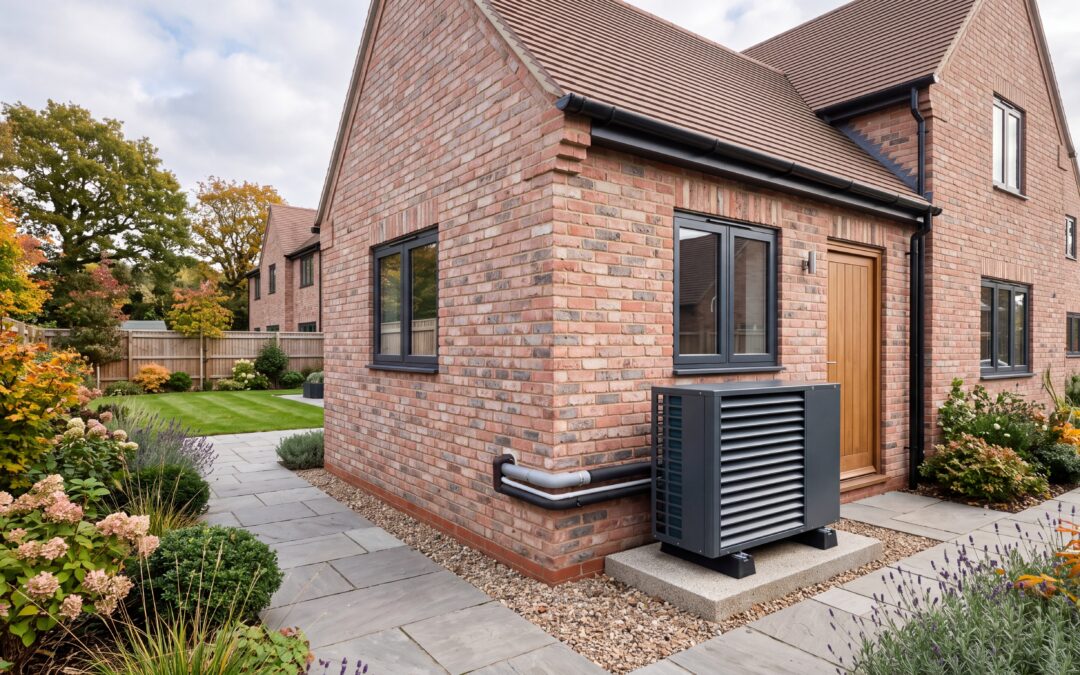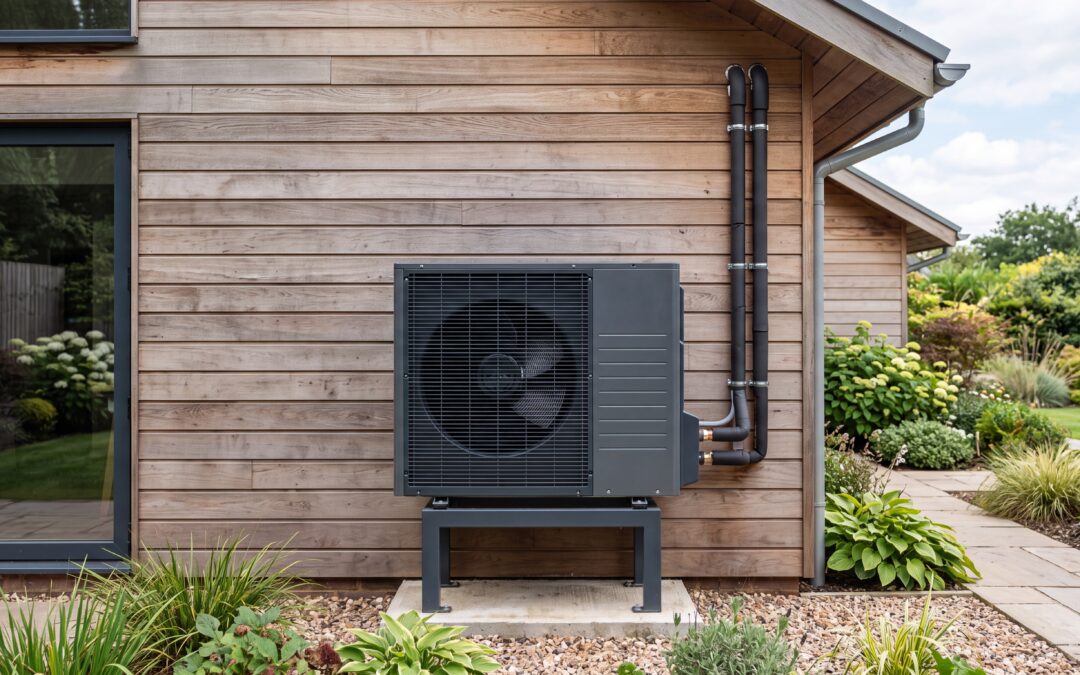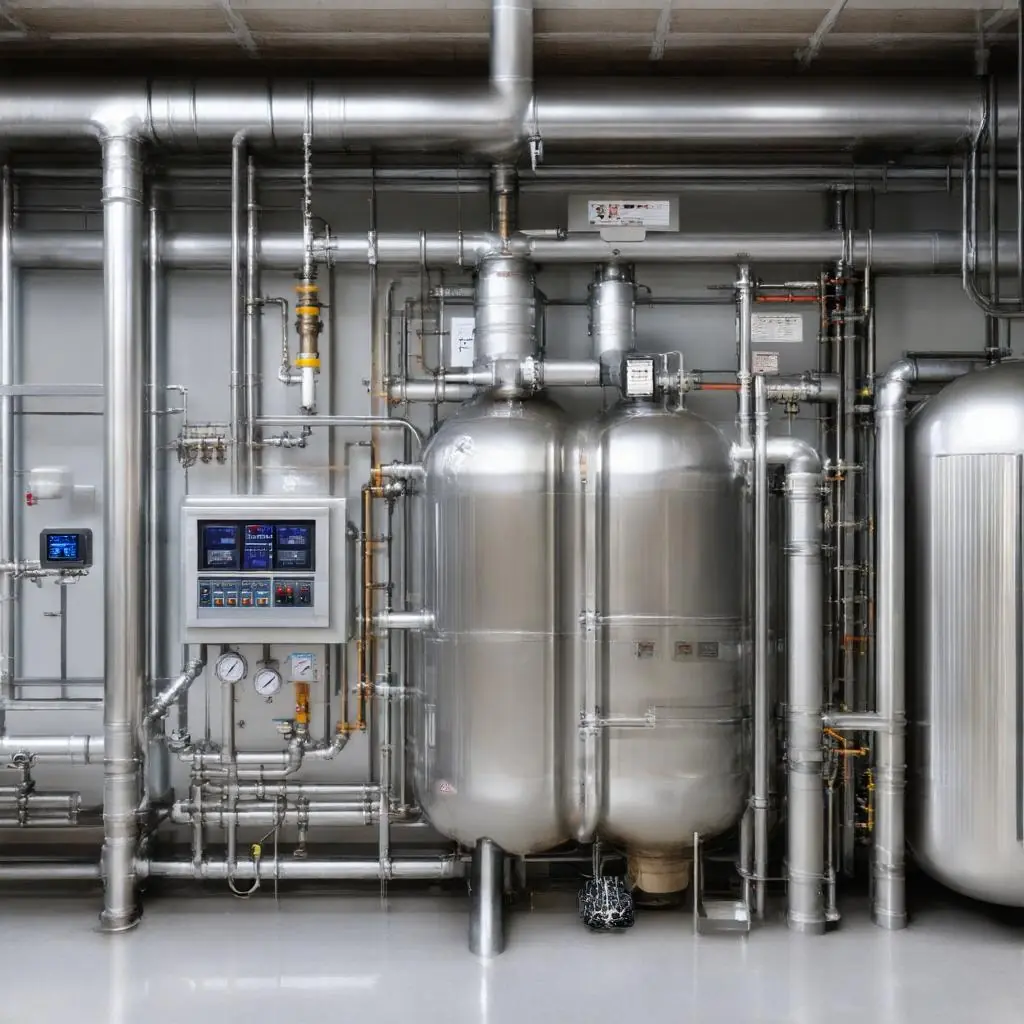
The commercial boiler market is forecast to almost double by 2034 as decarbonisation policies accelerate, older buildings are modernised, and plant rooms become smarter and more efficient. For estates and facilities teams across Essex—from Brentwood and Upminster to Hornchurch and Southend—the implication is clear: heating and hot-water infrastructure will be under closer scrutiny for cost, carbon, compliance and uptime.
Four trends will define the decade ahead:
-
Fuel and technology mix is changing. Gas remains prevalent in commercial premises, but modern condensing boilers are becoming the default specification. When designed to run with low return temperatures, they routinely achieve seasonal efficiencies above 90%, squeezing more useful heat from the same fuel input. Electric and hybrid solutions are the fastest-growing options as building electrification gathers pace and the grid decarbonises. Non‑condensing units will persist only where very high flow temperatures are unavoidable or where project constraints demand the lowest possible upfront spend.
-
Controls and connectivity are now standard practice. Smart controls, remote monitoring and predictive maintenance are moving from nice‑to‑have to baseline expectation. Connected plant allows issues to be identified early, sequencing to be optimised, and waste to be eliminated—cutting both downtime and energy costs.
-
Compliance pressure will intensify. Tightening emissions and efficiency rules, including low‑NOx targets, will push older plant toward replacement or major upgrade within the next decade. In parallel, local air‑quality priorities and changes to Building Regulations and minimum energy standards are narrowing the room for inefficient operation.
-
High‑demand sectors will set the pace. Healthcare, education, offices and retail increasingly prioritise reliability, hot‑water security and lower operating costs. In practice this means resilient, modular plant with clear control strategies, robust water treatment and documented maintenance regimes.
What this means in practical terms is that plant rooms will look different by 2034: more modular cascades of condensing boilers; more hybrid systems that blend low‑carbon generation with high‑efficiency gas for peak loads; more sensors and connectivity; and more attention to hydraulics, return temperatures, and system cleanliness to unlock condensing performance. Facilities that plan early can phase upgrades to spread cost, protect uptime and avoid non‑compliance risks.
A practical 10‑year roadmap for Essex facilities
Translating these trends into a workable plan begins with disciplined assessment and prioritisation. The following steps will help you build a staged programme that lowers bills, reduces carbon and strengthens compliance—without compromising operations.
1) Commission a heat‑loss and plant‑room survey
- Quantify actual building heat demand, diversity and hot‑water profiles across seasons. Many legacy systems are oversized; right‑sizing unlocks immediate efficiency gains and avoids over‑capitalisation.
- Audit existing plant, emitters and distribution: boiler types, ages and NOx classes; hydraulic layout (primary/secondary circuits, low‑loss headers, plate heat exchangers); pump control; valve conditions; and insulation levels.
- Identify resilience gaps (e.g., absence of N+1, single points of failure) and opportunities for modularisation.
2) Evaluate whether true condensing operation is achievable
- Condensing performance depends on low return water temperatures. Review emitter capacity (radiators, fan coils, AHU coils, underfloor loops) to determine if you can reduce system temperatures while maintaining comfort.
- Address hydraulics: ensure proper differential temperatures, correct flow rates, and effective separation between boiler and load circuits. Poor hydraulics can prevent sustained condensing and erode efficiency.
- Consider incremental measures—larger heat exchangers or emitter upgrades in critical zones, weather compensation to reduce flow temperatures in mild weather, and balancing to eliminate unnecessary bypassing.
3) Plan flue and condensate provisions
- Modern condensing boilers produce condensate and visible plumes. Verify flue routes, materials and terminal locations to meet regulations and avoid nuisance pluming. Stainless or suitable plastic liners and corrosion‑resistant components may be required.
- Provide reliable condensate drainage with frost protection, fall, and (if needed) neutralisation to protect pipework. Early planning prevents surprises during installation.
4) Assess electrical capacity and tariffs for electric/hybrid options
- If considering electric boilers or hybrid plant (e.g., integrating a heat pump alongside high‑efficiency gas for peaks), review incoming supply capacity, three‑phase availability, and distribution constraints. Liaise with your DNO early if an upgrade may be necessary.
- Model operating costs using your actual tariffs, including standing charges and time‑of‑use pricing. Controls should be configured to exploit off‑peak windows without risking comfort or hot‑water security.
5) Phase replacements to manage budgets and downtime
- Sequence projects to align with operational cycles (e.g., school holidays, retail off‑peak). Modular cascades allow partial replacement while retaining service, reducing risk and spreading capital expenditure.
- Prioritise the highest‑impact measures first—often controls, water treatment and set‑point optimisation—then move to plant changes. This approach delivers savings promptly and builds the business case for larger works.
6) Upgrade control strategies and connectivity
- Implement weather compensation to automatically lower flow temperatures as outdoor conditions ease—critical for unlocking condensing efficiency and shaving fuel costs.
- Use load matching and modular sequencing to keep boilers within their most efficient operating bands, avoiding short cycling. Variable‑speed pumping should be coordinated via differential pressure control.
- Integrate with your BMS or deploy robust standalone controls with remote access. Remote monitoring supports predictive maintenance, alarm triage and performance trending, cutting unplanned outages.
7) Improve water treatment, balancing and insulation
- System water quality is foundational to efficiency and reliability. Specify correct dosing (inhibitor/biocide as appropriate), magnetic/dirt separation, side‑stream filtration and periodic sampling. Where legacy sludge is present, plan for cleaning or power flushing.
- Commission thorough hydraulic balancing to ensure design flows reach all circuits. Poor balance increases return temperatures, undermines condensing and comfort performance.
- Insulate distribution pipework, valves and flanges; review calorifier and cylinder insulation; and minimise standing losses in secondary hot‑water circulation loops.
8) Safeguard hot‑water security and hygiene
- For healthcare, education and hospitality, hot‑water availability and Legionella control are critical. Select appropriate DHW generation (calorifiers, plate heat exchangers with pasteurisation control) and document procedures for thermal disinfection.
- Ensure redundancy in critical services (e.g., duty/standby for DHW and circulating pumps) and alarms for temperature deviations.
9) Confirm compliance trajectory
- Map current plant against applicable efficiency and low‑NOx requirements and your organisation’s carbon commitments. Establish trigger points where maintaining older equipment becomes uneconomic or non‑compliant.
- Capture all upgrades and commissioning in an evidence pack (schematics, settings, water quality certificates, flue and gas safety records). This supports audits, insurance requirements and ESG reporting.
10) Explore incentives and financing
- Review available national and local incentives, low‑interest finance for energy efficiency, and applicable capital allowances for plant and machinery. The right mechanism can improve payback and free budget for resilience enhancements.
- Consider service agreements and extended manufacturer guarantees to de‑risk ownership and stabilise lifecycle costs.
What a staged 10‑year plan can look like
- Years 0–1: Surveys, metering and monitoring; quick wins via weather compensation, sequencing, set‑point optimisation, and water‑side cleaning/balancing; rectify control faults causing high return temperatures.
- Years 1–3: Replace end‑of‑life non‑condensing boilers with modular condensing plant where hydraulics support low returns; integrate remote monitoring; insulate distribution; address flues and condensate.
- Years 3–6: Extend condensing operation to remaining areas through emitter upgrades or hydraulic improvements; consider hybridisation—adding an electric boiler or heat pump for base load if tariffs and capacity allow.
- Years 6–10: Complete remaining plant replacement; refine controls with occupancy data and advanced analytics; review performance annually against energy and carbon KPIs; refresh the compliance roadmap.
Throughout, maintain a disciplined maintenance and testing regime. Predictive maintenance via connected sensors, combustion analysis during servicing, and routine water sampling will preserve efficiency gains and reduce unplanned downtime. For critical sites, adopt N+1 redundancy at plant and pump level, and regularly test changeover and alarm paths.
How Brentwood Heating Ltd can support your programme
As a Gas Safe‑registered, locally owned contractor serving Brentwood and the wider Essex region, Brentwood Heating Ltd delivers the end‑to‑end expertise required to execute this roadmap with confidence:
- Technical surveys and advice: Heat‑loss assessments, plant‑room audits and feasibility studies for condensing conversion, flueing, and electric/hybrid options.
- High‑efficiency plant: Design, installation and commissioning of modern condensing boilers from leading manufacturers, with options to suit different budgets and operating profiles. Manufacturer‑backed guarantees of up to 10 years are available on selected models.
- Controls and connectivity: Weather compensation, modular sequencing, BMS integration, and remote monitoring to enable data‑driven maintenance and rapid fault response.
- System reliability: Water treatment (including power flushing where required), hydraulic balancing, dirt/air separation and insulation upgrades to protect new plant and sustain low return temperatures.
- Compliance and safety: Low‑NOx solutions, gas safety certification, and documented commissioning to support audits and ESG reporting.
- 24/7 support: Responsive emergency call‑outs, planned servicing and tailored maintenance agreements to protect uptime in high‑demand sectors such as healthcare, education, offices and retail.
The decade to 2034 will reward facilities that act early, design for condensing performance, adopt smarter controls and plan staged replacements. Done well, you can achieve materially lower operating costs, reduced carbon and stronger compliance—without sacrificing the reliability your occupants and operations depend upon. If you would value a structured conversation about your site, Brentwood Heating Ltd is ready to help you build a plan that fits your buildings, budgets and timelines.