The case for eco‑friendly home upgrades is no longer just environmental; it is decisively personal. Homes that hold heat well, distribute warmth evenly, and draw on low‑carbon power tend to be more comfortable, quieter, less prone to damp—and measurably cheaper to run. Emerging evidence also suggests that maintaining safe, stable indoor temperatures may support cardiovascular health by reducing blood pressure spikes and stress on the heart during cold snaps. For households and property managers across Brentwood, Upminster, Hornchurch, Southend, and the wider Essex region, the opportunity is clear: invest in the building fabric and smart, efficient heating, and the returns will be felt in lower bills, improved wellbeing, and a smaller environmental footprint.
Consider the following core measures and how they work together:
-
High‑quality insulation and draught‑proofing. Loft, cavity wall or solid wall insulation, suspended floor insulation, and robust sealing around windows and doors minimise heat loss. A well‑insulated home needs less energy to stay warm, cuts carbon emissions, and reduces cold spots that can cause condensation and mould. Maintaining a consistent indoor temperature—commonly recommended at around 18°C for healthy adults—can reduce cardiovascular strain during cold periods, particularly in older adults and those with pre‑existing heart conditions.
-
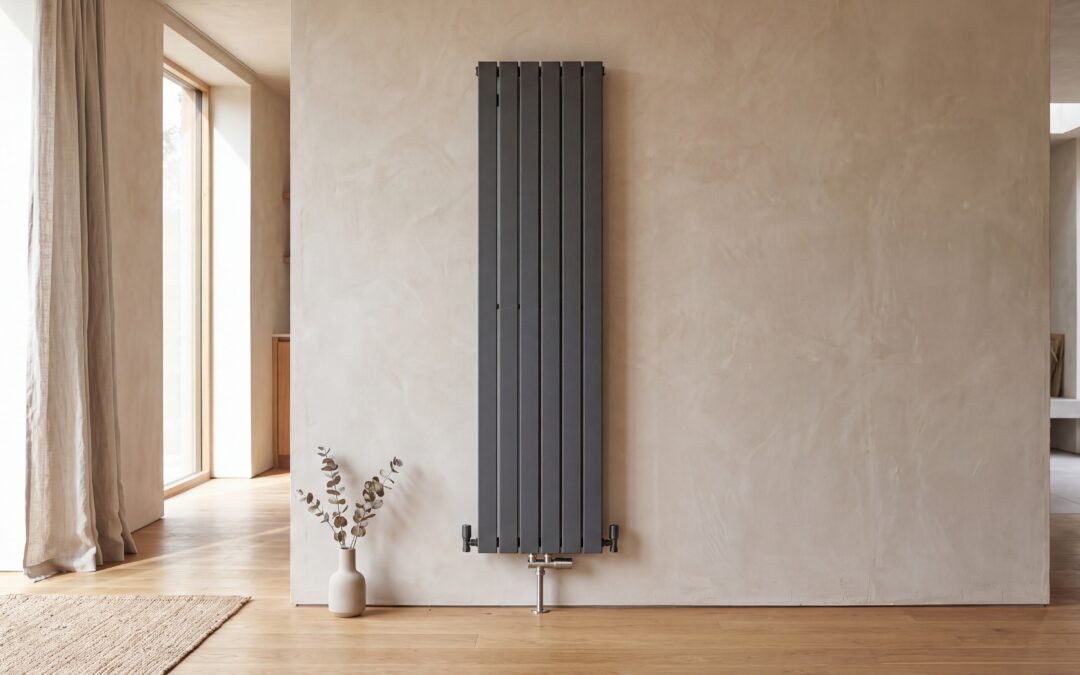
Underfloor heating (UFH). By operating at lower flow temperatures than traditional radiators, UFH delivers gentle, even warmth. This can reduce air movement and dust circulation, supporting better indoor air quality. When paired with an efficient heat source, UFH contributes to lower running costs while enhancing comfort, especially in open‑plan spaces and bathrooms.
-
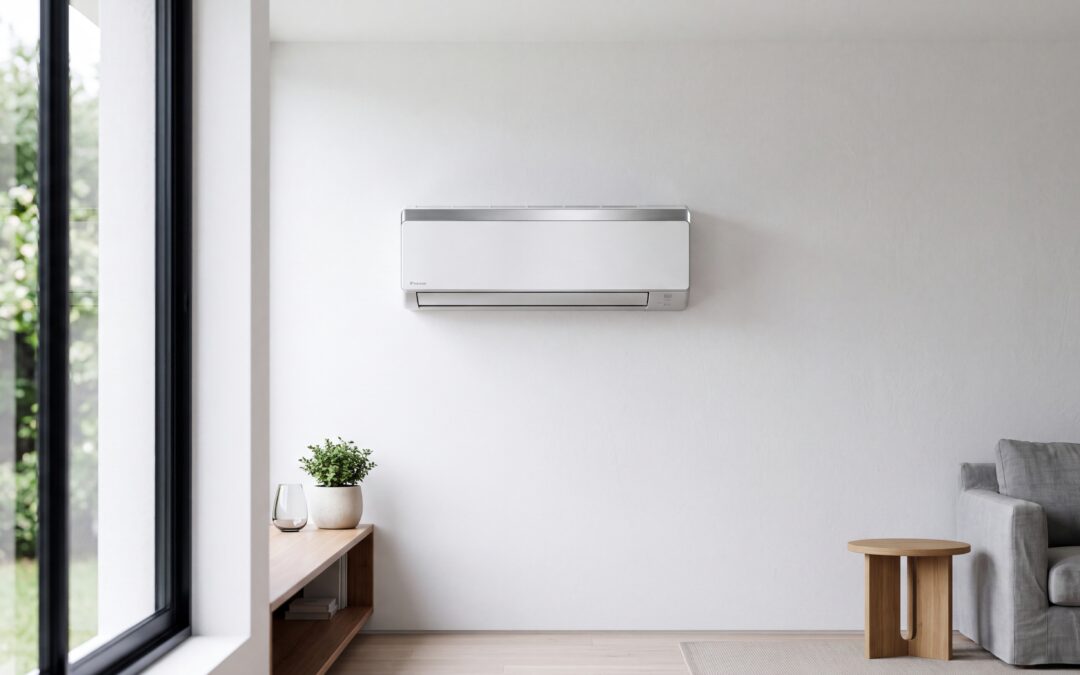
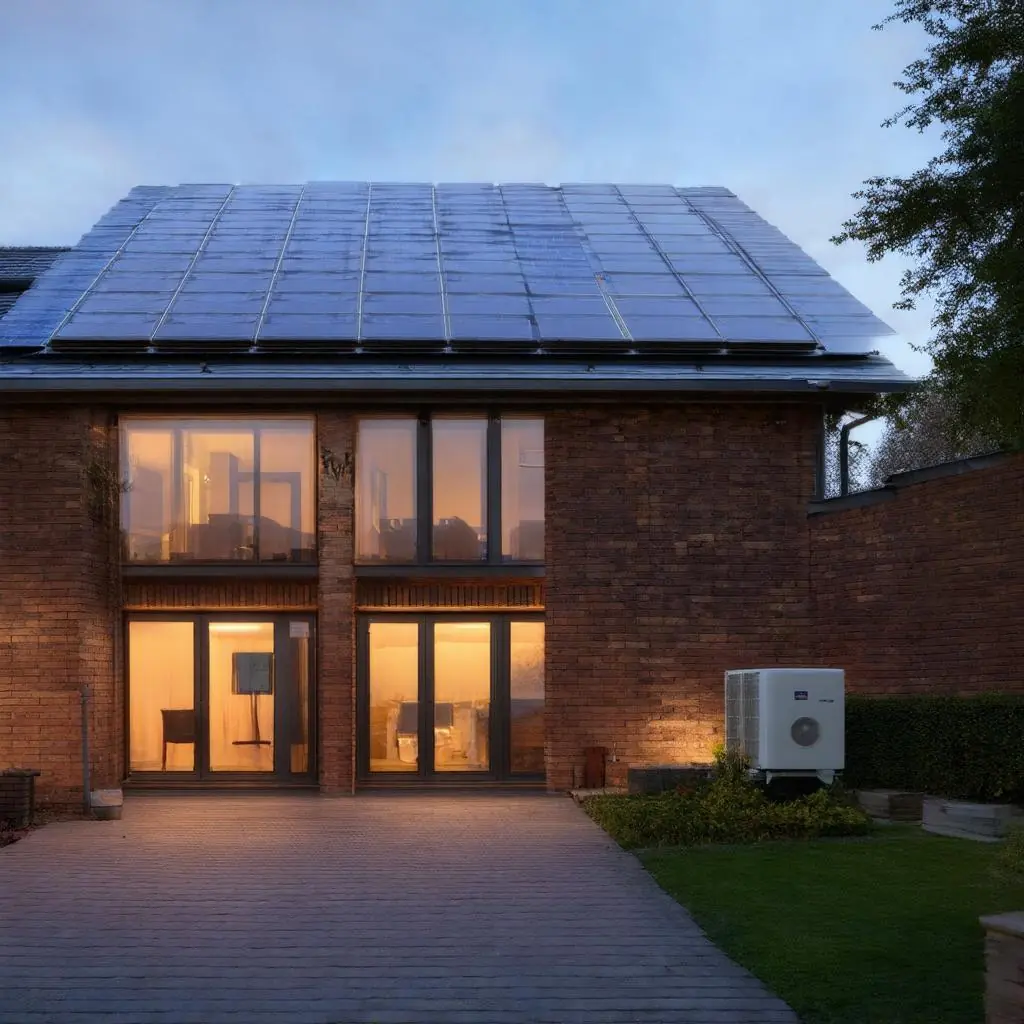
Air source heat pumps (ASHPs). Heat pumps move heat rather than generating it, often delivering three or more units of heat for every unit of electricity used, depending on design and operating conditions. When installed in a well‑insulated property and operated with low flow temperatures (for example with UFH or correctly sized radiators), ASHPs can significantly reduce reliance on fossil fuels. They provide steady, controllable heat that helps maintain healthy temperatures without sharp fluctuations.
-
Solar photovoltaic (PV) panels. Generating electricity on‑site reduces grid consumption and can power heat pumps, controls, lighting, and appliances. Export tariffs under the Smart Export Guarantee (SEG) allow households to be paid for surplus electricity exported back to the grid. When combined with battery storage and time‑of‑use tariffs, solar can further lower running costs and carbon intensity.
Taken together, these measures reduce energy demand at source (insulation), optimise distribution (UFH), decarbonise heat supply (ASHPs), and offset electricity use (PV). The result is a more resilient home that is cheaper to heat and more comfortable to live in—attributes that matter for both day‑to‑day wellbeing and long‑term health.
Making your Essex property more energy‑efficient and healthier: a practical pathway
1) Start with an evidence‑based survey
- Commission an energy assessment or review your property’s Energy Performance Certificate (EPC) to identify the biggest sources of heat loss and the most cost‑effective interventions.
- Ask for whole‑home design thinking. Upgrades work best as a package: for example, loft and wall insulation first, then low‑temperature heating design, then controls optimisation.
2) Prioritise the building fabric
- Loft insulation to current standards, cavity wall fill (where applicable), internal or external insulation for solid walls, and draught‑proofing will deliver the greatest and most dependable savings.
- Attend to ventilation. Pair airtightness improvements with appropriate ventilation (for example, trickle vents or mechanical ventilation with heat recovery) to manage humidity and reduce condensation and mould risk.
3) Optimise your existing heating system
- Service and balance your central heating. Annual servicing, system balancing, and power flushing to remove sludge can restore lost efficiency and improve heat distribution to every room.
- Fit smart controls. Weather‑compensating or load‑compensating controls, smart thermostats, and thermostatic radiator valves (TRVs) help maintain steady temperatures and reduce overheating. Smoother temperature profiles are not only efficient; they can also be more comfortable and supportive of cardiovascular health by avoiding cold‑warm oscillations.
- Lower the flow temperature on modern condensing boilers where feasible. Many systems run hotter than necessary; bringing the flow temperature down (with correct design and emitter sizing) can markedly improve boiler efficiency.
4) Consider low‑carbon heating and distribution
- Underfloor heating. If you are refurbishing or extending, UFH is worth exploring for its comfort, low flow temperatures, and compatibility with heat pumps. In retrofit scenarios, it can be introduced room by room during planned works.
- Air source heat pumps. If your home is suitably insulated and you can achieve low flow temperatures, a heat pump can reduce running costs and carbon emissions. You will typically need appropriately sized radiators or UFH and a careful design to maximise seasonal efficiency.
- Hybrid and phased approaches. Where a full heat pump switch is not practical immediately, you can pursue a staged plan: upgrade fabric and controls now, right‑size radiators, and design for “heat pump readiness” at the next boiler change.
5) Generate and manage electricity smartly
- Solar PV. A well‑sized array can offset a substantial share of your annual electricity use, especially if combined with battery storage and smart tariffs that reward shifting loads.
- Smart tariffs and load shifting. Time‑of‑use plans can reduce the cost of running heat pumps and charging batteries, with automation helping busy households smooth demand without constant oversight.
6) Secure funding and incentives available in Essex
- Boiler Upgrade Scheme (BUS). Grants are available in England and Wales to support the installation of air source and ground source heat pumps (and, in limited rural cases, biomass boilers). Grant values have been increased in recent years; check current amounts and eligibility via Ofgem or GOV.UK and apply through your installer.
- ECO4 and Local Authority Flex (LA Flex). The Energy Company Obligation funds insulation and heating improvements for eligible households, with councils able to widen access through LA Flex. Brentwood Borough Council and Essex County Council can advise on local eligibility routes.
- Great British Insulation Scheme (GBIS). Aimed at delivering cost‑effective insulation to a broader set of households, subject to EPC rating and council tax band criteria. Check availability and qualifying measures.
- Smart Export Guarantee (SEG). If you install solar PV, your chosen energy supplier may pay you for exported electricity. Rates and terms vary by supplier.
- VAT relief on energy‑saving materials. Certain energy‑saving installations are subject to reduced or zero VAT for a time‑limited period. Verify current rates on GOV.UK before commissioning works.
- Local programmes. Look out for Warm Homes or similar initiatives coordinated by Essex County Council and district councils, which may offer referrals, energy advice, or funding windows tied to national schemes. Council websites and the Essex County Council energy pages provide the latest updates.
7) Work with accredited, responsive specialists
- Choose installers with appropriate certifications (for example, Gas Safe for gas work, MCS certification for heat pumps and solar PV).
- Prioritise transparent quoting, clear timelines, and aftercare. Upgrades should be straightforward, not stressful, particularly for busy households and commercial property managers under operational pressures.
How Brentwood Heating Ltd supports your upgrade journey
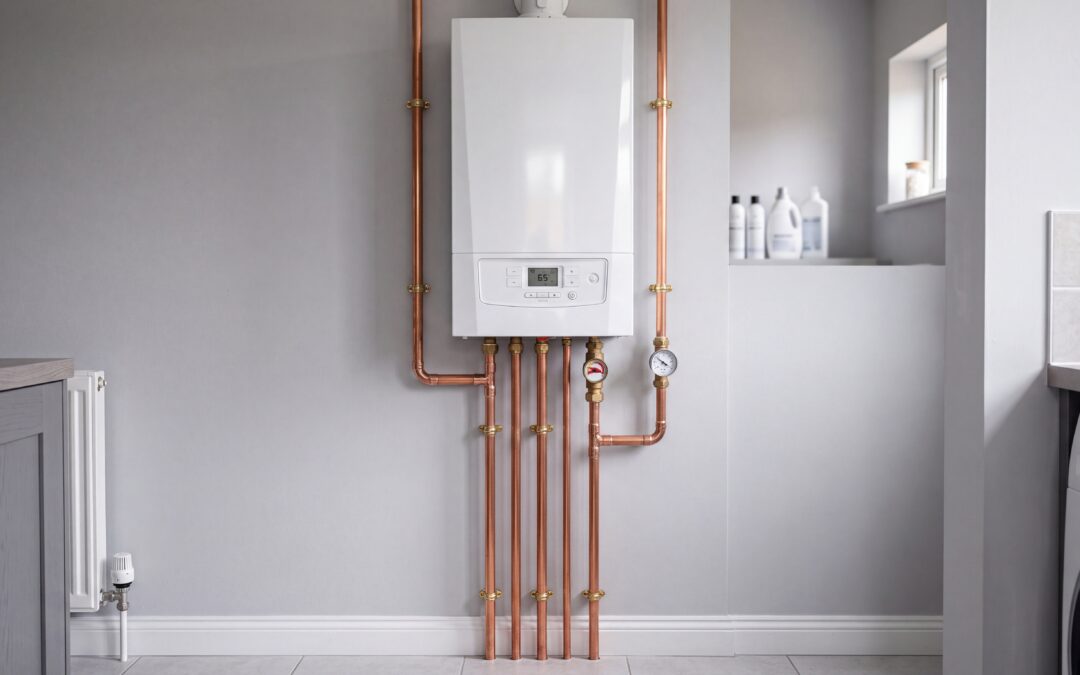
- Central heating expertise. Our Gas Safe registered engineers design, install, and maintain high‑efficiency central heating systems across Brentwood and Essex. From boiler servicing and repairs to full system installations with leading brands such as Worcester‑Bosch, Vaillant, Ideal, and Baxi, we focus on reliability, longevity, and low running costs.
- System optimisation and lifecycle care. Power flushing, balancing, magnetic filtration, and smart control integration restore performance, prevent breakdowns, and improve efficiency—often the quickest wins before larger upgrades.
- Low‑temperature heating design. If you are considering a transition to low‑carbon heat in the future, we can advise on emitter sizing, zoning, and control strategies that make your home “heat pump ready,” and we can coordinate with trusted local partners where specialist input (for example, solar PV or external insulation) is required.
- Transparent, rapid service. With 24/7 emergency support, clear communication, and tidy, respectful work practices, we minimise disruption for homeowners and property managers alike. We serve Brentwood and the wider Essex area, including Upminster, Hornchurch, Southend, and surrounding communities.
- Tailored proposals and attractive guarantees. We provide bespoke quotations aligned to your budget and objectives, and, where applicable, arrange manufacturer guarantees of up to 10 years on selected boilers—helping you plan with confidence.
Health, comfort, and cost savings—what to expect
- Lower energy bills. Insulation and system optimisation typically pay back fastest; solar PV and heat pumps add deeper long‑term savings, particularly when combined with smart tariffs.
- More stable indoor temperatures. Even heat and fewer cold drafts support thermal comfort and may reduce cardiovascular stress associated with cold exposure, particularly in vulnerable groups.
- Better indoor air quality. Reducing damp and mould risk, plus gentler air movement from low‑temperature systems, can contribute to a healthier living environment.
- Smaller carbon footprint. Efficient fabric and low‑carbon heat reduce greenhouse gas emissions, aligning your property with the UK’s net zero trajectory and increasing its future resilience and appeal.
Next steps for homeowners and property managers in Essex
- Arrange a heating and energy review. Start with the fabric, then plan low‑temperature heating and controls. If you manage multiple properties, prioritise the least efficient buildings first to maximise impact.
- Check funding eligibility. Visit GOV.UK, Ofgem, and your council’s website for current guidance on BUS, ECO4/LA Flex, and GBIS. Document EPC ratings and property details in advance to streamline applications.
- Phase the work to suit your schedule and budget. Many upgrades can be delivered in stages with minimal disruption—ideal for busy households and operational sites.
- Engage a trusted local partner. Contact Brentwood Heating Ltd for a prompt, no‑obligation assessment and quotation. We will explain your options plainly, help you balance costs and benefits, and schedule works at times that minimise disruption.
Eco‑friendly upgrades are not just about new technology; they are about designing a home that looks after its occupants. By tightening the building fabric, embracing efficient, low‑temperature heating, and making smart use of electricity and incentives, you can create a warmer, healthier property that costs less to run—season after season. If you are in Brentwood or anywhere in Essex, our team stands ready to help you turn that plan into a dependable, future‑proof reality.