When a leak or flood occurs in your property, acting quickly is vital to minimize damage and ensure the safety of everyone involved. Whether you are a homeowner or managing a commercial property, adopting a systematic approach will help to reduce disruption and prevent long-term issues such as mould and structural deterioration.
Ensure Safety First
Before entering a flooded or water-damaged area, check for hazards. Turn off electricity and gas at the mains if you suspect water has affected electrical fixtures or gas appliances. Always wear waterproof boots and gloves to protect yourself from contaminated water. Never walk into standing water if the power is still on. If you have any doubts about your safety, wait for professional assistance.
Assess and Document the Damage
Carefully inspect affected areas and take clear photographs and videos of the damage, including water levels, ruined belongings, and damaged structures. Documentation is crucial for insurance claims, as it provides proof of the extent of the incident. Keep a record of all communication with your insurer and any contractors involved.
Notify Relevant Parties
If you are a homeowner, contact your insurance provider promptly to begin the claims process. For tenants, inform your landlord or property management company as soon as possible. Landlords are generally responsible for arranging repairs to the building’s structure and systems, while tenants may be responsible for their personal items. Cooperate fully and provide any requested information.
Remove Standing Water
Begin by removing standing water using mops, buckets, or a wet/dry vacuum. For large accumulations or when flooding is extensive, consider hiring professional water removal services. The sooner water is removed, the better the prospects for salvaging floors, walls, and furnishings.
Protect Undamaged Property
Move undamaged items—such as furniture, electronics, and valuables—to a dry area to prevent further loss. Prop up furniture cushions or place aluminium foil under furniture legs to minimize water absorption. Remove wet rugs or carpets that can trap moisture and foster mould growth.
Section 2: Drying Out and Recovery
Promote Air Circulation and Dehumidification
After all standing water is removed, open windows and doors to promote airflow if weather permits. Use fans to circulate air throughout the affected area. Dehumidifiers are essential for removing excess moisture from the air, hastening the drying process and preventing mould growth. Run dehumidifiers continuously until moisture readings indicate safe levels.
Monitor for Hidden Moisture
Water can seep behind walls, under flooring, and into insulation, where it is not immediately visible. Check damp patches on walls, ceilings, and floors, especially near skirting boards, corners, and basements. Use moisture meters if available. If you suspect lingering moisture or hidden leaks, contact a professional for a thorough assessment. Ignored dampness can lead to hidden mould and structural deterioration over time.
Prevent and Address Mould Growth
Mould can begin to develop within 24-48 hours of flooding. Clean all affected surfaces with a disinfectant suitable for flood recovery, including walls, floors, and skirting boards. Discard items that cannot be thoroughly cleaned and dried, such as saturated carpets, insulation, and soft furnishings. Keep monitoring for a musty odour or visible spots of mould and address any issues promptly.
Repairs and Renovation
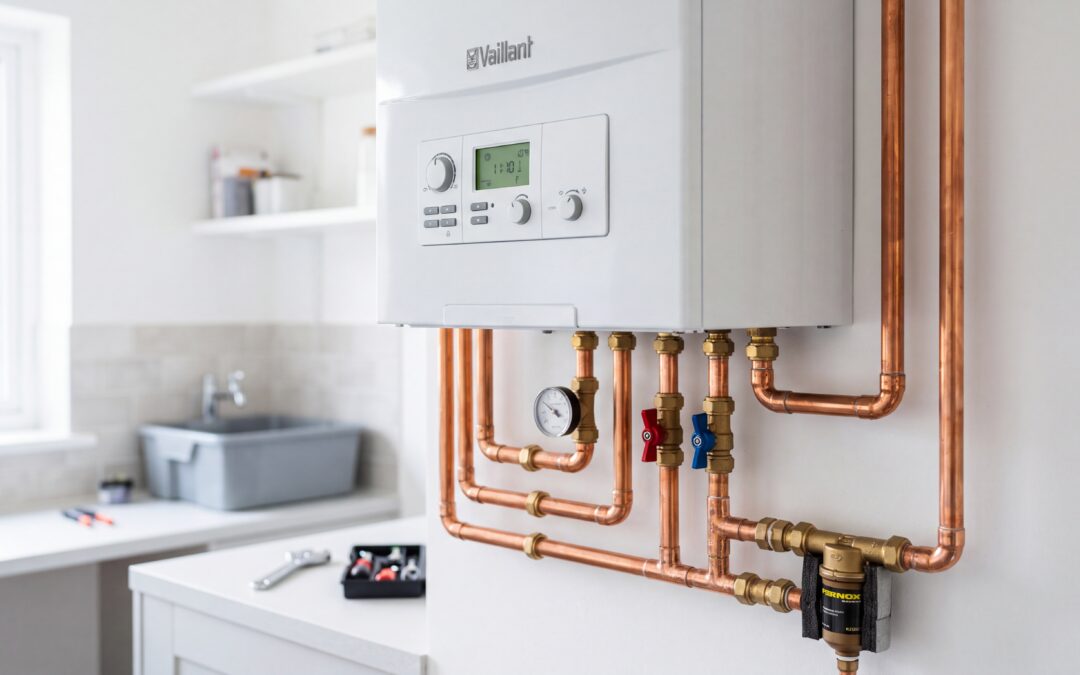
Drying out is only the first step. Assess and repair damage to your property’s structure, such as plaster, paintwork, and flooring. Ensure that all repairs are done only after the structure is fully dry. For boiler or central heating systems affected by water ingress, always consult Gas Safe registered engineers like those from Brentwood Heating Ltd to ensure safe and compliant repairs.
Working with Insurance and Professionals
Throughout recovery, keep detailed records of repair costs and correspondence with insurers and contractors. If the scope of the damage is beyond DIY remedies, or if sewage, electrical, or gas systems are impacted, engage professional help. Companies such as Brentwood Heating Ltd can handle urgent plumbing and heating repairs, including emergency call-outs, power flushing, and restoration of water-damaged systems.
Tips for Tenants
If you are a tenant, maintain open communication with your landlord or letting agent, and document your actions and any property condition changes. Cooperate with landlords’ chosen contractors and promptly report persistent issues or mould development. If you need guidance or the landlord is unresponsive, seek advice from local housing authorities.
Ongoing Prevention
Once recovery is complete, identify the source of the leak or flood and have it professionally repaired to prevent future incidents. Regularly inspect vulnerable areas—such as basements, under sinks, and around appliances—for early signs of leaks. Consider periodic professional plumbing and heating system checks to safeguard your property and peace of mind.
Conclusion
Recovering from a leak or flood requires prompt action, effective drying techniques, and attention to both visible and hidden damage. By following this practical guide, homeowners and property managers in Brentwood and the wider Essex region can better protect their properties, contents, and occupants from the lasting effects of water damage. When in doubt, do not hesitate to consult trusted professionals who can restore your property safely and efficiently.