Across Europe, energy policy is increasingly focused on reducing consumption in homes, commercial buildings, and public infrastructure. A recently announced €8 billion EU package is aimed squarely at these priorities, combining support for households and businesses with a commitment to modernise heating systems and improve building performance. While the precise delivery mechanisms vary by member state, the broad pillars are clear: subsidising energy upgrades, supporting vulnerable households with heating allowances, and accelerating the replacement or optimisation of inefficient heating systems in both residential and commercial properties. Public buildings and infrastructure are also being targeted for retrofit to lower operating costs and reduce emissions.
This approach delivers benefits on several fronts:
- Energy costs: Direct bill reductions through better-insulated buildings, efficient boilers or low‑carbon systems, and smarter controls.
- Comfort and health: More stable indoor temperatures, fewer cold spots, and improved air quality.
- Environmental protection: Lower carbon emissions and reduced strain on national grids, particularly at peak times.
- Economic resilience: Job creation in local trades and a more predictable operating cost base for businesses and public services.
The logic is straightforward: the cheapest and cleanest unit of energy is the one you do not need. By directing funding to measures that cut waste—such as insulation, system balancing, and appropriate boiler sizing—governments can deliver quick wins that compound over time. Crucially, targeted support for vulnerable households through heating allowances ensures that those most at risk of fuel poverty benefit from immediate relief while longer-term upgrades are planned and delivered.
For the UK, which faces similar challenges—volatile energy prices, an ageing housing stock, tight operating margins in many sectors, and ambitious climate commitments—there is a great deal to learn from these EU initiatives. The question is how to adapt the model to the realities of UK homes and businesses and translate policy intent into practical action.
Potential UK funding and delivery mechanisms could include:
- Targeted grants and allowances: Means‑tested support for low‑income and vulnerable households to cover a portion of upgrade costs and provide temporary heating allowances during cold spells.
- Low‑ or zero‑interest loans: Affordable finance for homeowners and SMEs to spread the cost of boiler upgrades, insulation, or central heating improvements, ideally repaid via energy savings.
- Utility or network rebates: Incentives for demand reduction, smart controls, and peak‑shaving technologies that benefit both the customer and the system.
- Public sector retrofit funding: Dedicated capital for schools, hospitals, and local authority buildings to reduce running costs and demonstrate best practice.
- Quality assurance frameworks: Requirements around installer competence (e.g., Gas Safe registration for gas work) and product standards to ensure investments deliver real savings.
These tools, used in combination, can accelerate take‑up and deliver broad benefits. Yet funding is only part of the story. The real gains come from choosing the right measures, installed to a high standard, and maintained over time. That is where experienced, accredited local partners make the difference.
Turning Lessons into Action in Essex: Practical Steps for Homes and Businesses
For homeowners and commercial property managers in Brentwood and across Essex—from Upminster and Hornchurch to Southend—the EU’s approach provides a useful blueprint. The following priorities will help you capture the same benefits in a UK context.
1) Start with the building fabric
- Insulation and draught‑proofing: Roof, loft, and cavity wall insulation remain the fastest, most cost‑effective routes to reduce heat loss. Proper draught‑proofing of doors, windows, and service penetrations complements this work.
- Glazing and sealing: Upgraded glazing and well‑sealed frames reduce cold spots and condensation, improving comfort and cutting heat demand.
2) Upgrade and optimise heating systems
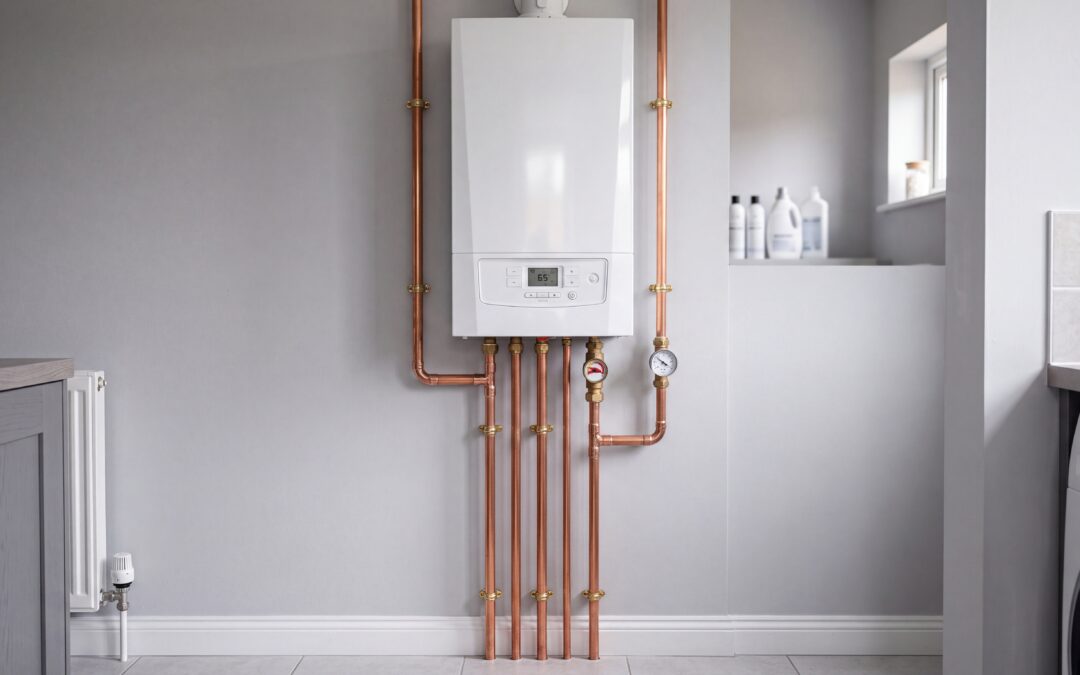
- Efficient boilers: If your boiler is over a decade old or showing signs of inefficiency, a modern condensing boiler from leading brands such as Worcester‑Bosch, Vaillant, Ideal, or Baxi can deliver substantial savings. Correct sizing, quality components, and professional commissioning are critical to performance.
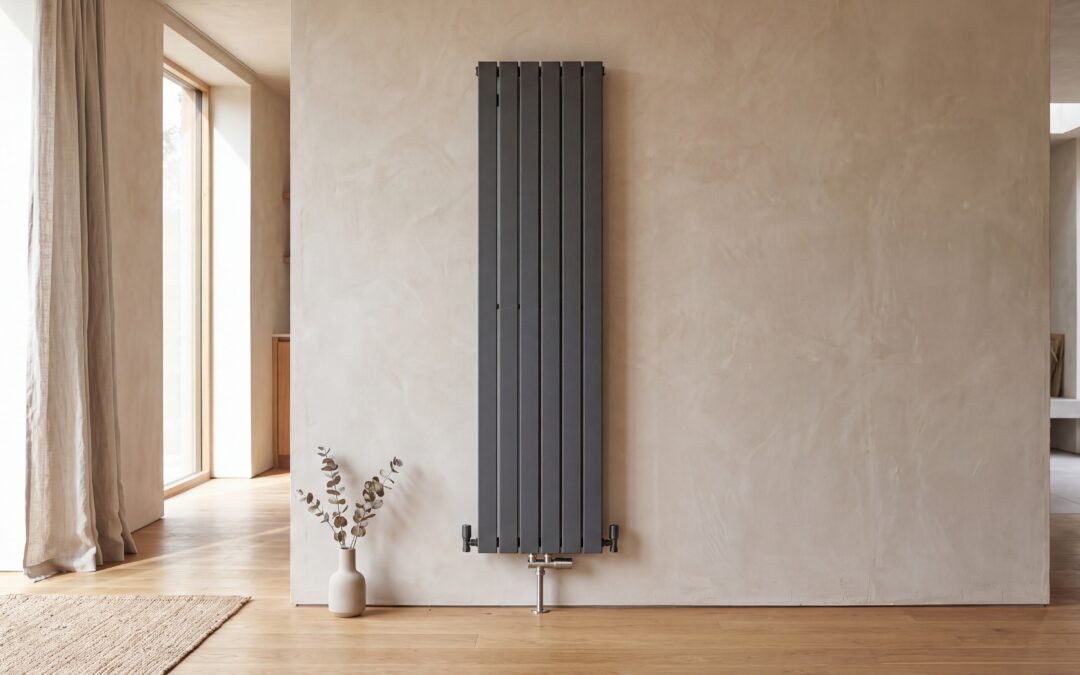
- Central heating design: Zoning, thermostatic radiator valves (TRVs), weather compensation, and smart controls help match heat delivery to actual demand, preventing waste and improving comfort.
- System health: Power flushing to remove sludge, fitting magnetic filters, and balancing radiators restore system efficiency and protect new equipment.
- Commercial plant: For larger buildings, attention to plant room upgrades, hydraulic separation, control strategies, and regular servicing can cut consumption without compromising comfort.
3) Maintain for the long term
- Servicing and safety: Annual servicing by Gas Safe registered engineers keeps systems operating efficiently and safely. For landlords and facilities managers, routine checks and Gas Safety certification are essential for compliance and risk management.
- Monitoring and controls: Smart thermostats and building management systems provide data-driven insights to fine‑tune schedules and temperatures, reducing bills while maintaining comfort.
4) Explore funding and plan the investment
- Blend capital and operating savings: Even without national programmes, many upgrades pay for themselves over their lifespan through reduced energy consumption and fewer breakdowns.
- Seek targeted support: Where available, local grants, heating allowances for vulnerable residents, or utility incentives can offset upfront costs. Public sector bodies should consider ring‑fenced retrofit funding to stabilise operating budgets.
- Specify for durability: Choose proven equipment with strong manufacturer support and meaningful guarantees—up to 10 years on certain boilers—to protect your investment.
How Brentwood Heating Ltd can help
- Rapid response and reliable delivery: For urgent issues, 24/7 emergency call‑out capability minimises downtime and disruption. For planned upgrades, prompt surveys and clear timelines help you budget and schedule with confidence.
- Accredited expertise: All heating engineers are Gas Safe registered, with experience across domestic and commercial settings. This ensures compliance, safety, and high‑quality workmanship.
- Tailored solutions across budgets: Whether you are upgrading a single home system or optimising a multi‑site portfolio, solutions can be designed around your building type, usage patterns, and budget, drawing on leading boiler brands and proven components.
- Transparent customer journey: From initial assessment and scoped recommendations to installation, testing, and handover, the process is straightforward and clearly communicated. Clean, respectful work practices minimise disruption in occupied homes and commercial premises.
- Comprehensive service offering: Boiler repair, servicing, and installation; central heating installation and repairs; power flushing; gas safety certification; general plumbing; bathroom design and installation; and blocked toilet solutions. One point of contact for ongoing care helps you stay on top of maintenance and compliance.
Putting it together: a practical roadmap
- Assess: Establish current performance—age and condition of the boiler, insulation levels, control strategy, and common failure points. Commercial managers may wish to prioritise high‑consumption sites first.
- Prioritise: Tackle fabric first where feasible, then upgrade or optimise the heating system. In many properties, a combined approach—insulation plus a correctly sized, efficient boiler and smart controls—delivers the best return.
- Implement: Use accredited engineers and quality components. For boilers, consider models with extended guarantees and manufacturer‑approved installation.
- Maintain: Schedule annual servicing, system checks, and filter cleaning; review control settings seasonally to ensure continued performance.
- Review: Track energy use and comfort outcomes to confirm savings and identify further opportunities.
Why act now?
- Cost stability: Reducing baseline energy consumption insulates you from price volatility and lowers total cost of ownership.
- Comfort and productivity: Stable, well‑controlled temperatures improve occupant comfort at home and can enhance productivity in workplaces.
- Compliance and reputation: Demonstrating responsible energy management supports ESG goals and regulatory expectations in commercial settings.
- Environmental benefit: Lower demand reduces emissions and helps the UK meet its climate commitments.
The EU’s €8 billion programme underlines a simple truth: strategic investment in energy efficiency pays for itself many times over, especially when combined with targeted support for those who need it most. By adopting similar principles in the UK—and by partnering with experienced, accredited local specialists—homeowners and businesses in Brentwood and the wider Essex region can realise lower bills, better comfort, and a smaller environmental footprint.
If you would like guidance specific to your property or portfolio, you are welcome to request a tailored quote. Brentwood Heating Ltd serves Brentwood and the surrounding Essex area, including Upminster, Hornchurch, and Southend, and is ready to help you plan and deliver reliable, hassle‑free improvements that stand the test of time.