Extreme weather places exceptional demands on heating, ventilation, and cooling equipment. In Essex, increasingly hot summers, occasional prolonged cold snaps, coastal winds, and periods of poor outdoor air quality can all alter how systems perform and how comfortable your property feels. Understanding these stresses—and preparing for them—helps you avoid breakdowns, control energy costs, and maintain healthy indoor air.
Cold snaps and prolonged damp
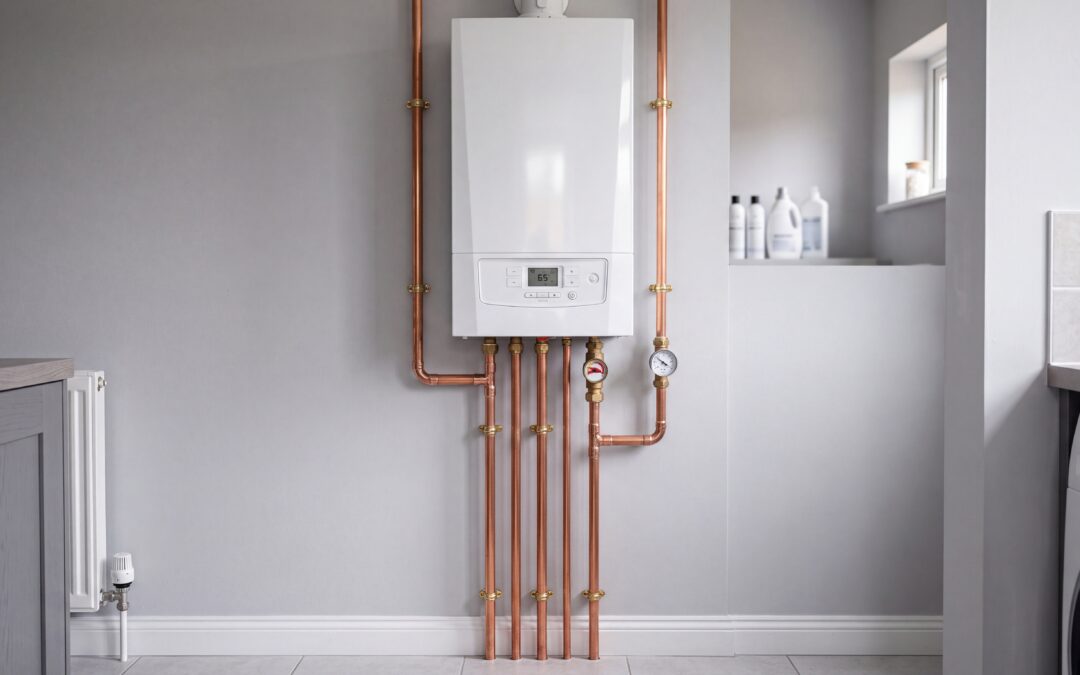
- Higher load and longer run-times: When temperatures drop suddenly, boilers and heat pumps work harder and cycle more frequently. Older or undersized systems may struggle to reach setpoint, revealing issues such as worn pumps, tired ignition components, or inadequate radiator output.
- Frozen or restricted condensate lines: Condensing boilers produce condensate that must drain freely. If external pipework is undersized or uninsulated, it can freeze, locking out the boiler at precisely the wrong time.
- Radiator and pipe inefficiencies: Sludge accumulation and trapped air reduce heat transfer just when you need it most. Unbalanced systems push heat to the “easy” radiators and leave distant rooms cold.
- Ventilation challenges: In colder weather, you may ventilate less, allowing indoor humidity to rise. Excess moisture leads to condensation on windows and walls, and can aggravate respiratory issues.
Heatwaves and extended warm periods
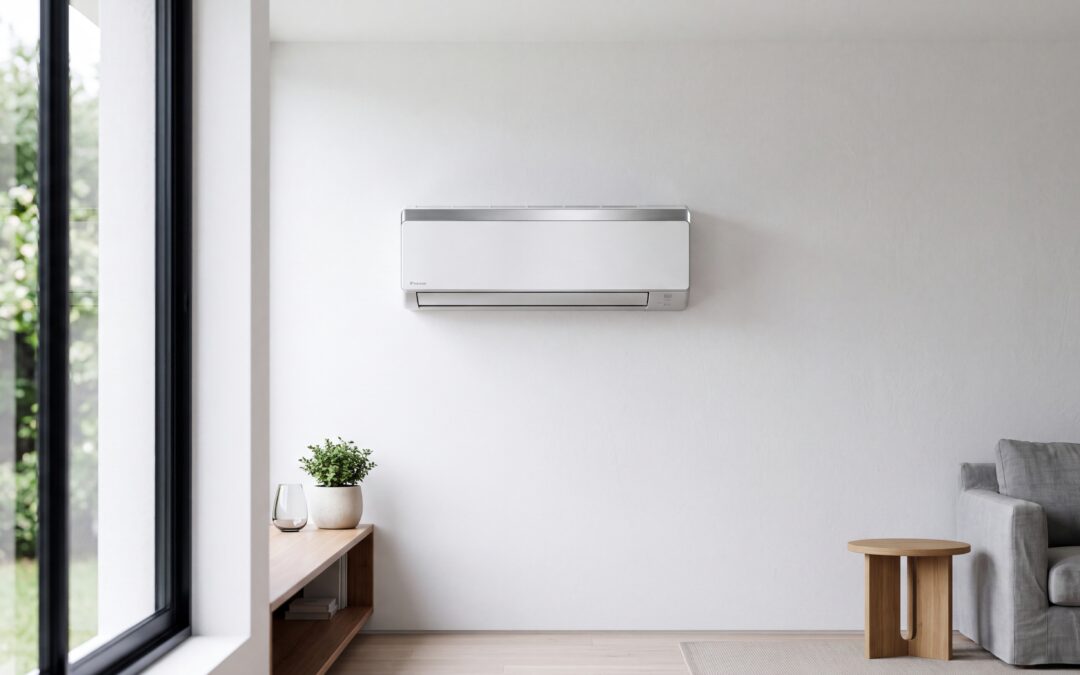
- Elevated indoor temperatures: Without adequate shading, insulation, or efficient controls, internal temperatures can drift well above comfort levels. Any active cooling (including air-to-air heat pumps or standalone AC) must run longer to compensate, highlighting any maintenance gaps such as dirty coils or blocked filters.
- Humidity swings: Summer humidity increases perceived temperature and can foster mould growth. Where properties rely purely on opening windows, warm, humid air may replace cooler indoor air with little comfort gain.
- Roof-space and plant-room heat: Loft-installed equipment and unventilated cupboards can reach high temperatures, accelerating component wear and stressing electronics.
Wind, salt air, dust, and smoke
- Infiltration and heat loss: Strong winds increase draughts, drawing conditioned air out and forcing unfiltered air in. Your system responds by running longer to maintain setpoints.
- Coastal exposure: In areas closer to the estuary and coast, salt-laden air can corrode external components (flue terminals, external valves, and heat pump fins), shortening service life without preventative care.
- Smoke and airborne particles: Periods of poor outdoor air quality (from regional smoke, dust, or pollution) challenge filtration. Fine particles reduce indoor air quality and may clog filters faster, increasing fan energy use and reducing airflow.
Power fluctuations and storms
- Electrical stress: Voltage dips and surges during storms can affect electronic boiler boards, pumps, and smart controls. Loss of power can also interrupt condensate pumps or ventilation units.
The combined effect on efficiency and comfort
- Energy use rises: As run-time increases and equipment works harder, any inefficiency—dirty filters, scale build-up, poor control strategy—costs more.
- Comfort becomes harder to maintain: Temperature differentials across rooms widen, and air quality may deteriorate if ventilation is not properly managed.
- Wear accelerates: Components age faster under extreme loads, increasing the likelihood of faults at peak demand times.
Preventative Maintenance, Smart Upgrades, and Professional Support
A well-planned maintenance and upgrade strategy protects comfort, safety, and operating budgets year-round—especially in extreme weather. The following measures are practical, cost-effective steps you can take now.
Preventative maintenance essentials
- Book an annual boiler service with a Gas Safe registered engineer: This verifies combustion safety, efficiency, and the integrity of seals, flues, and heat exchangers. It is the single most effective step to reduce winter breakdowns.
- Protect and insulate external pipework: Ensure condensate pipes are correctly sized, fall correctly, and are insulated or trace-heated where appropriate to prevent freezing.
- Power flush or clean the system when needed: Removing sludge restores radiator performance and protects pumps and heat exchangers. Fit a magnetic filter and dose inhibitor to maintain water quality.
- Balance radiators and set TRVs correctly: Proper balancing improves comfort room-to-room and reduces boiler cycling. Thermostatic radiator valves (TRVs) help match heat output to use patterns.
- Replace or clean filters on ventilation and cooling units: In dusty or smoky conditions, increase inspection frequency. Clean filters reduce fan energy use and help maintain better indoor air quality.
- Check ventilation pathways: Keep trickle vents, extract grilles, and external air intakes clear. In windy weather, ensure terminals and cowls are secure and unobstructed.
- Guard against limescale in hard-water areas: Essex’s hard water can scale plate heat exchangers and cylinders, reducing efficiency. Fit scale reducers or water treatment as appropriate.
- Verify safety devices: Test carbon monoxide and smoke alarms; ensure flue terminals are intact and clear of debris.
Smart controls and system optimisation
- Install a smart thermostat and zoning: Time and temperature schedules, occupancy sensing, and geofencing reduce unnecessary run-time in both hot and cold weather. Zoning lets you condition spaces you use, when you use them.
- Enable weather compensation and load compensation: Modern boilers with weather-compensation curves adjust flow temperatures to match outdoor conditions, boosting efficiency and comfort.
- Use smart TRVs and room sensors: These help fine-tune comfort, especially in homes with variable solar gain and occupancy.
- Monitor performance data: Many controls and boilers provide runtime and fault logs. Reviewing these helps detect issues before they become breakdowns.
Managing indoor air quality during outdoor challenges
- During smoke or dust events: Keep windows closed where possible; run mechanical ventilation with appropriate filtration if fitted; use standalone air purifiers with high-efficiency particulate filters sized to the room.
- In windy, cold conditions: Reduce uncontrolled draughts through sealing and attention to trickle vents; avoid blocking necessary ventilation for combustion appliances.
- In humid summer periods: Consider dehumidification or heat-recovery ventilation to regulate moisture; address moisture sources (drying clothes indoors, unvented bathrooms) with effective extraction.
Upgrades that build resilience
- High-efficiency condensing boiler replacement: If your boiler is older or unreliable, upgrading to a modern condensing model from a reputable brand can cut energy use and improve control compatibility. Suitable installations may be eligible for extended manufacturer guarantees when installed by accredited engineers.
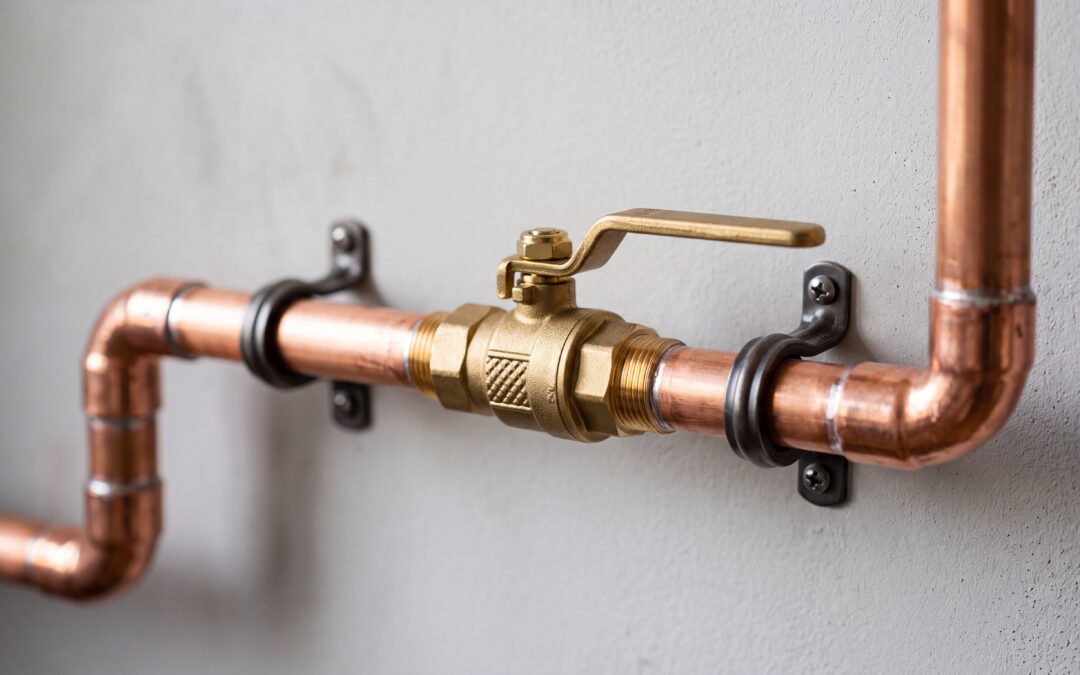
- System enhancements: Magnetic filtration, automatic bypass valves, differential pressure control, and quality pumps protect equipment and stabilise performance under varying loads.
- Radiator improvements: Upgrading undersized radiators, adding reflective panels, or switching to low-temperature emitters can improve comfort with weather-compensated control strategies.
- Insulation and building fabric: Loft and cavity insulation, draught-proofing, shading, and reflective window films reduce peak loads on both heating and cooling systems.
- Surge protection and safe electrics: Surge protection for sensitive controls and outdoor units can mitigate storm-related electrical stress.
Why professional consultation matters
- Correct diagnosis under real conditions: Extreme weather magnifies small faults. A trained engineer can identify root causes—water quality, control settings, pump headroom, or flue issues—that are not obvious day-to-day.
- Tailored solutions to your property and budget: Properties in Brentwood, Upminster, Hornchurch, Southend, and across Essex vary widely in age, fabric, and usage. A customised plan—whether a targeted repair, control upgrade, or full boiler replacement—delivers better value than one-size-fits-all fixes.
- Compliance and safety: Gas appliances must be serviced by Gas Safe registered engineers. Landlords and commercial property managers also benefit from structured servicing and timely Gas Safety certification to remain compliant.
- Reliable, rapid support: When extreme weather strikes, response time matters. Having a trusted partner on call minimises downtime, protects occupants, and limits disruption.
How Brentwood Heating Ltd supports you year-round
- Rapid response, 24/7: For urgent breakdowns and leaks, you receive fast, dependable support from a local team that understands Essex homes and commercial premises.
- Certified expertise: All engineers are Gas Safe registered and experienced with leading boiler brands including Worcester-Bosch, Vaillant, Ideal, and Baxi.
- Clear, transparent customer journey: From first contact to follow-up, you are kept informed, with tidy, respectful work practices that minimise disruption.
- Flexible, brand-agnostic advice: Whether you need a targeted repair, a power flush, new controls, or a complete boiler installation, solutions are tailored to your system type, usage, and budget.
- Long-lasting value: Eligible installations may carry attractive manufacturer guarantees—up to 10 years on select boilers—when fitted and maintained correctly.
- Comprehensive services for homes and businesses: Central heating installation and repairs, general plumbing, emergency call-outs, power flushing, Gas Safety certification, bathroom design and installation, and advice on indoor air quality strategies.
Practical next steps
- Schedule your annual service before peak season so issues are resolved ahead of extreme weather.
- Request a system health check: water quality, pump performance, radiator outputs, and control optimisation.
- Discuss smart controls and zoning appropriate to your property.
- Review filtration, ventilation, and moisture control to safeguard indoor air when outdoor conditions are challenging.
- Plan upgrades in a way that aligns with your comfort goals, energy targets, and maintenance budget.
For homeowners and commercial property managers across Brentwood and the wider Essex region, proactive care and expert guidance are the most effective defences against the stresses of extreme weather. Brentwood Heating Ltd stands ready to deliver prompt, professional, and reliable support—keeping your heating and comfort systems efficient, safe, and resilient in every season.