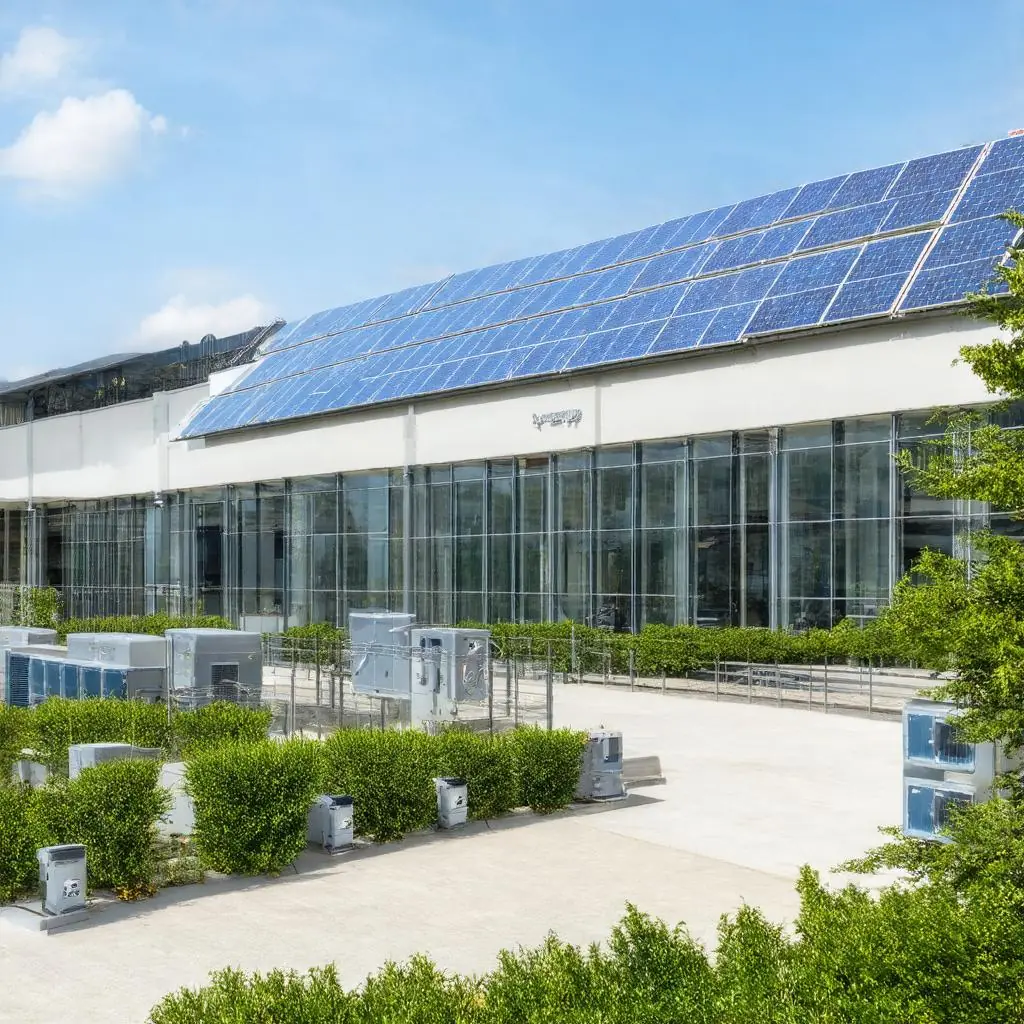
Significant government investment is accelerating the transformation of public sector buildings into models of energy efficiency and sustainability. With the urgent need to reduce carbon emissions associated with heating, public premises—ranging from schools and hospitals to administrative offices—are at the forefront of an ambitious drive for low-carbon, cost-effective solutions.
The government’s recent funding initiatives emphasise the urgent replacement of outdated and inefficient heating systems, historically reliant on fossil fuels such as gas and oil. Central to this strategy is the adoption of low-carbon technologies, particularly heat pumps, which provide efficient heating using a fraction of the energy of traditional systems. These initiatives also encompass a broader suite of energy-saving measures, including improved insulation, energy-efficient glazing, and the installation of LED lighting.
By investing in comprehensive upgrades, these programmes deliver dual benefits: they substantially reduce operational energy costs for public agencies while supporting the UK’s wider commitment to net zero emissions. For instance, air source and ground source heat pumps are being installed in public buildings throughout Essex, underpinning a transition away from gas-fired boiler systems. In tandem, control technologies such as smart thermostats and building energy management systems enable facilities managers to optimise performance, further mitigating wasted energy.
Structural improvements, such as roof and wall insulation upgrades, create a well-sealed thermal envelope, reducing the demand on heating systems. In many cases, these improvements are complemented by double or triple glazing and high-efficiency doors, minimising heat loss. Coupled with LED lighting retrofits, these measures address both the demand for space heating and the base energy usage of the buildings.
Lessons for Homeowners and Businesses: Adopting Sustainable Solutions
The sweeping changes taking place in the public sector act as a clear example for private homeowners and business owners. These projects highlight the tangible benefits of investing in modern, energy-efficient heating solutions and structural upgrades.
One critical lesson is the effectiveness of a whole-building approach. Public sector retrofits rarely focus on a single aspect, instead tackling insulation, window upgrades, lighting improvements, and heating system modernisation together. This comprehensive method not only maximises carbon savings but also ensures ongoing reductions in energy costs, offering a rapid return on investment.
For homeowners and businesses in Brentwood and the surrounding Essex area, similar strategies can be adopted on a smaller scale. Upgrading to a modern condensing boiler from leading brands such as Worcester-Bosch, Vaillant, Ideal, or Baxi can cut heating bills and carbon emissions. Where feasible, installing a heat pump further slashes reliance on fossil fuels. Pairing these with increased insulation, double-glazed windows, and smart heating controls yields results that mirror the public sector’s success: enhanced comfort, lower costs, and a reduced environmental footprint.
Moreover, the public sector’s experience underscores the value of professional expertise. All heating upgrades within government-funded programmes are specified and installed by certified engineers, ensuring safety, compliance, and optimal performance. For private customers, partnering with Gas Safe registered heating professionals guarantees similar standards and peace of mind.
Finally, as public buildings continue to set the pace in adopting greener heating solutions, they create a blueprint for the broader community. These visible investments build confidence in new technologies, demonstrating their reliability and effectiveness. By learning from these large-scale upgrades, homeowners and businesses alike can take informed steps towards improved energy efficiency, contributing collectively to local and national carbon neutrality goals.