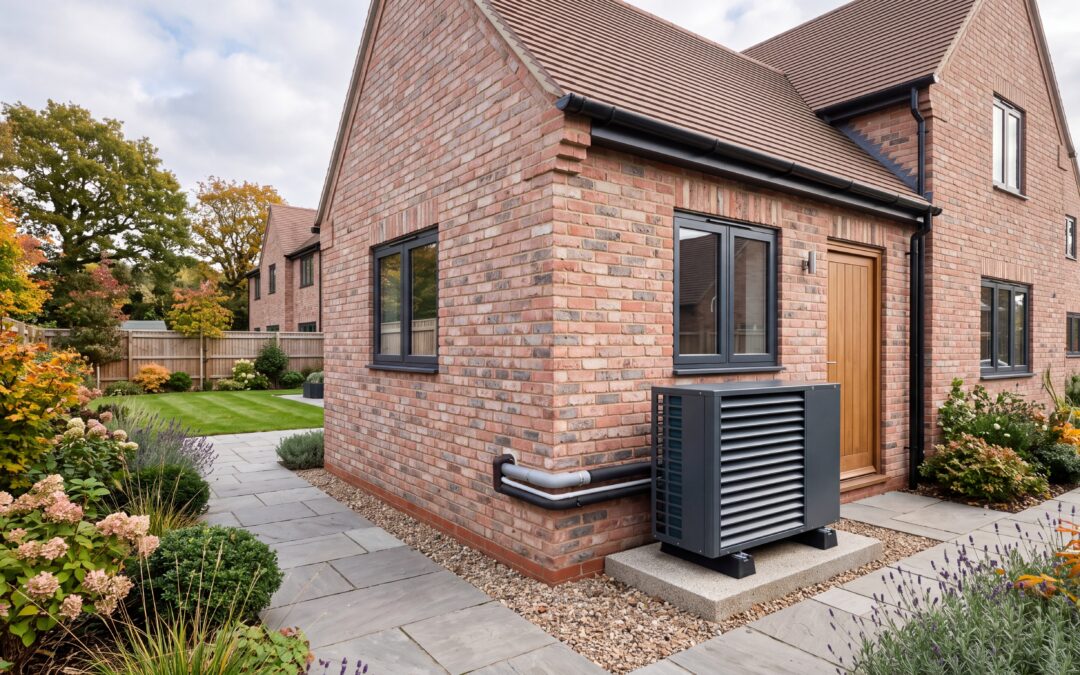
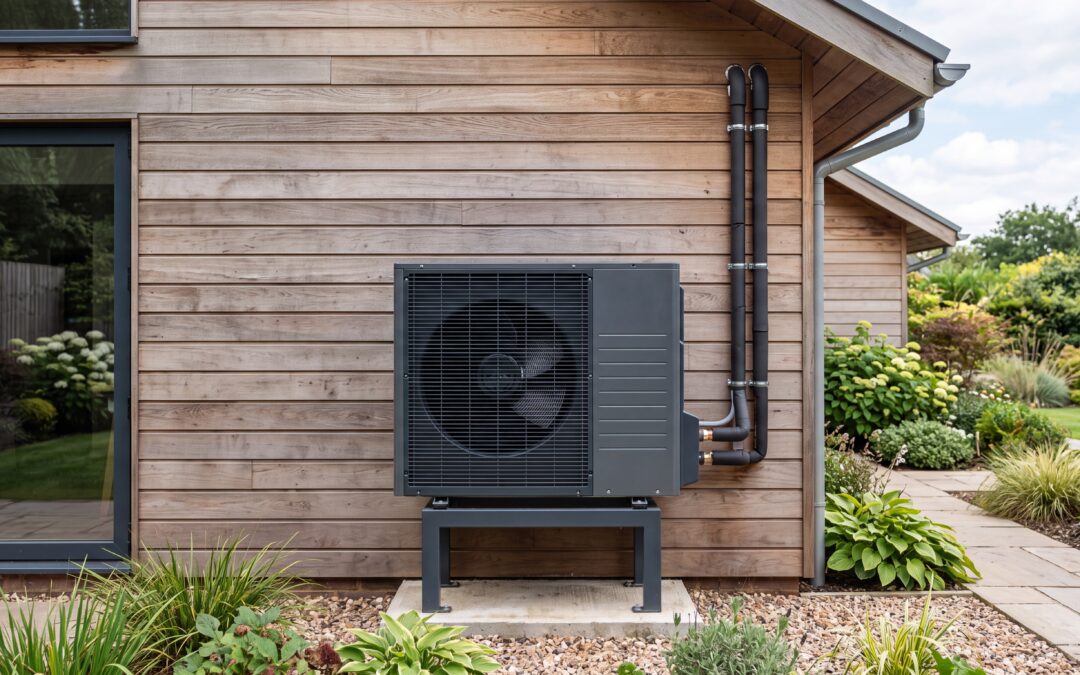
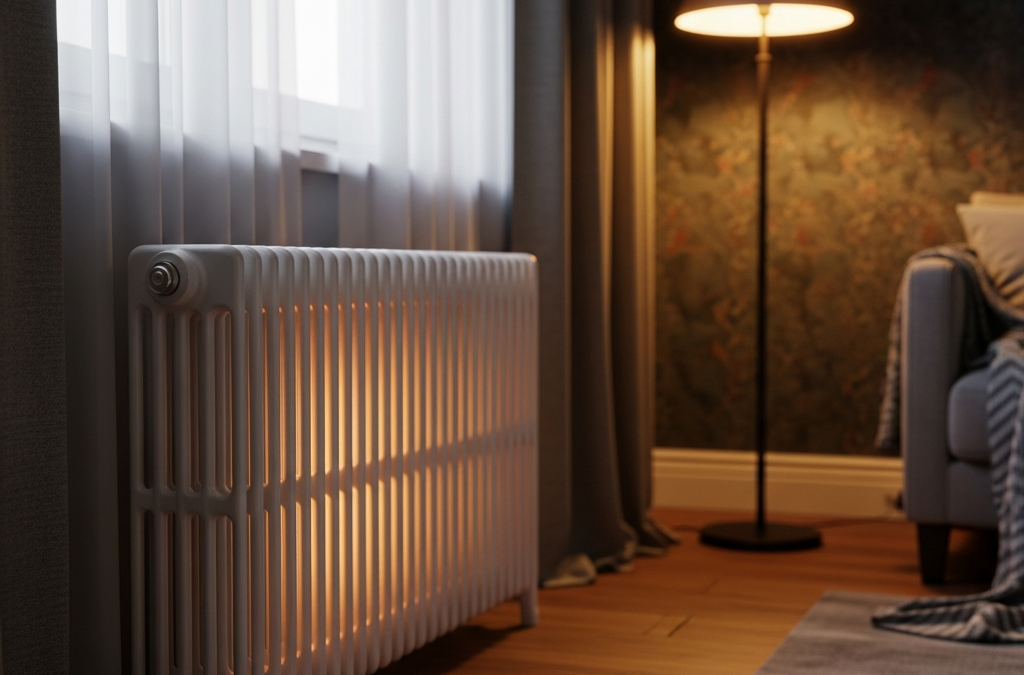
Across Europe and the UK, demand for hydronic (wet) radiators is increasing as households and businesses pursue lower energy bills, smarter control, and compliance with tightening efficiency standards. Hydronic radiators circulate hot water from a boiler or heat pump through a sealed system to emit heat into each room. Modern panel radiators—often with convector fins—have become the preferred choice because they combine compact form with excellent heat output and strong performance at lower flow temperatures.
Why does “low temperature” matter? Today’s condensing gas boilers operate most efficiently when return water is below roughly 55°C, and next‑generation low‑carbon heat pumps typically run between 35–55°C. Radiators designed and sized to perform well at 45–55°C unlock higher boiler condensing efficiency now and make your system heat‑pump‑ready for future upgrades. In short, you gain comfort today and flexibility for tomorrow.
Key benefits of modern hydronic radiators:
- Efficient heat at lower flow temperatures, supporting condensing boilers and future heat pumps.
- Faster, more even warmth thanks to improved fin design and larger surface area options, including vertical radiators for tight wall space.
- Compatibility with smart controls—thermostatic radiator valves (TRVs), app‑based room thermostats, zoning, and learning schedules—for precision comfort and reduced running costs.
- Cleaner operation and longer system life when paired with good water treatment, magnetic filtration, and correct balancing.
Tell‑tale signs it is time to consider an upgrade:
- Cold spots on radiators or sections that never heat fully (often due to sludge or poor flow).
- Slow warm‑up, especially on colder mornings, suggesting undersized or outdated emitters.
- Frequent bleeding to remove trapped air, indicating circulation or corrosion issues.
- Uneven room temperatures or rooms that cannot maintain setpoints without high boiler temperatures.
For homeowners and property managers in Brentwood and across Essex, these trends translate into practical opportunities. Upgrading radiators and controls can lift comfort, lower energy use, reduce complaints, and extend equipment life. Pairing radiator improvements with fabric measures such as loft insulation and draught‑proofing compounds the benefit, enabling lower flow temperatures and smaller bills.
Commercial sites stand to gain significantly:
- Zoning and smart scheduling align heating with occupancy patterns, cutting waste and improving comfort compliance.
- Better distribution and balancing reduce hot‑cold complaints and callouts.
- Cleaner systems with proper filtration and inhibitors lower the risk of breakdowns and downtime.
Brentwood Heating Ltd, a locally owned, Gas Safe registered company operated by Lewis Trembling, serves Brentwood and the wider Essex area—including Upminster, Hornchurch, Southend, and surrounding communities. The team’s reputation is built on prompt response, clear communication, high‑quality workmanship, and tidy, respectful practices. Whether supporting domestic upgrades or commercial plant rooms, the company focuses on reliable, hassle‑free delivery and a transparent customer journey from survey to handover.
A practical plan to upgrade for low‑temperature, smart heating
A successful radiator upgrade is about more than swapping steel for steel. The goal is to produce the required room comfort at the lowest feasible flow temperature, integrate smart control, and protect the system for long‑term reliability. The following plan reflects best practice for Essex homes and businesses.
1) Conduct room‑by‑room heat‑loss checks
- Calculate heat loss for each space using property fabric, glazing, orientation, and air‑tightness data.
- Use these figures to determine each room’s required output at a target low flow/return temperature (for example, 50/40°C or 55/45°C).
- Identify limiting spaces (lofts, north‑facing rooms, high ceilings) where higher‑surface‑area emitters or supplemental measures may be needed.
2) Select emitters with generous surface area
- Choose modern panel radiators with convector fins sized for the low flow temperature you are targeting. This may mean a modest increase in radiator size to hold setpoints comfortably.
- Consider vertical radiators for narrow walls or where furniture limits horizontal placement.
- In larger open areas or commercial zones, evaluate fan‑assisted low‑temperature emitters or distributed emitters to improve responsiveness.
3) Size for 45–55°C flow temperatures to boost efficiency and readiness
- Designing around 45–55°C maximises condensing boiler efficiency today and eases the path to a future heat pump.
- Confirm pipework and circulator capacity for higher flow rates that sometimes accompany low‑temperature design.
4) Fit TRVs—or upgrade to smart TRVs—and implement zoning
- Install high‑quality TRVs on all suitable radiators to prevent overheating and provide room‑by‑room control.
- Consider smart TRVs and room thermostats, with app control, schedules, occupancy detection, and open‑window functions.
- Create heating zones (e.g., living vs. sleeping areas, individual tenancies, or office floors) using programmable controls or building management integration to align heat delivery with actual use.
5) Balance the system methodically
- After installation, balance radiators via lockshield valves to ensure each room receives the correct flow. Proper balancing improves comfort and lowers pump energy use.
- Verify delta‑T across emitters at design flow temperature to confirm distribution is correct.
6) Clean and protect the system
- Power flush or, where appropriate, carry out a chemical clean to remove sludge and debris that restrict flow and cause cold spots.
- Fit a high‑quality magnetic system filter on the return to the boiler or plant, and dose with the correct corrosion inhibitor. Check inhibitor levels at service intervals.
7) Consider complementary fabric improvements
- Loft and cavity wall insulation, window upgrades, and draught‑proofing reduce heat loss and allow lower flow temperatures for the same comfort—amplifying the benefits of new radiators and smart controls.
Installation considerations to address during survey:
- Pipework capacity: Older microbore systems may need assessment or selective upsizing to support low‑temperature flow rates. Main distribution pipework should be checked for bottlenecks.
- Radiator placement: Traditionally beneath windows to counter downdraught; with modern glazing, placement can be more flexible, but avoid behind large furniture or heavy curtains. Maintain adequate clearances for convection and service access.
- Hydraulics and pumping: Confirm pump headroom for the chosen emitters, especially on multi‑storey or commercial circuits. Where needed, consider low‑loss headers or hydraulic separation.
- Commissioning: Pressure test, thoroughly vent, clean and inhibit, set control curves (including weather compensation where applicable), balance flows, and document settings for future maintenance.
Expected disruption and practicalities:
- Most domestic replacements can be completed with limited disruption, often room by room within a day or two depending on scope. Dust protection and floor coverings are used, and water is restored at the end of each working day.
- In occupied commercial premises, phased works and out‑of‑hours scheduling reduce business impact. Temporary heating can be arranged during critical periods if required.
- Costs vary with property size, emitter specification, pipework modifications, control strategy, and any cleaning or filtration upgrades. A tailored survey will clarify options to suit different budgets while meeting performance goals.
Incentives, regulations, and future‑proofing:
- Policies and incentives increasingly reward efficient, low‑temperature heating—especially when preparing for or integrating heat pumps. The Boiler Upgrade Scheme and similar programmes may offset plant upgrades; eligibility changes over time, so verification is recommended.
- Building Regulations Part L continue to drive higher efficiency, and commercial landlords face minimum energy performance expectations under evolving MEES requirements. Smart controls and documented commissioning support compliance and can enhance EPC outcomes.
- Designing for 45–55°C operation positions your property to take advantage of future low‑carbon technologies with minimal disruption.
How Brentwood Heating Ltd can help:
- Comprehensive surveys: Room‑by‑room heat‑loss assessments, emitter selections, and low‑temperature system design for homes and commercial sites.
- Smart control integration: From quality TRVs to multi‑zone, app‑enabled systems and, for larger sites, BMS integration.
- System protection and aftercare: Power flushing, magnetic filtration, inhibitors, and planned servicing for sustained performance.
- Boiler expertise today, heat‑pump readiness tomorrow: Installation, repair, and servicing across leading boiler brands including Worcester‑Bosch, Vaillant, Ideal, and Baxi, with attractive manufacturer‑backed guarantees—up to 10 years on selected models—when installed and maintained to specification.
- Certified, reliable delivery: All engineers are Gas Safe registered. The team is known for fast response—24/7 emergency call‑outs are available when you need them most—transparent communication, and tidy, respectful work on occupied sites.
If you are considering a radiator refresh or a broader heating upgrade in Brentwood, Upminster, Hornchurch, Southend, or anywhere in Essex, a local, tailored survey is the best starting point. You will receive clear recommendations, options to match your budget and timelines, and a straightforward installation plan. To explore how low‑temperature, smart hydronic radiators can improve comfort, cut running costs, and future‑proof your property, arrange a survey and quote with Brentwood Heating Ltd’s certified engineers.