Radiator Bleeding Guide
Are your radiators cold at the top but warm at the bottom? This is a common sign that there’s air trapped inside, preventing them from heating up correctly. Bleeding your radiators is a simple task that can improve your heating system’s efficiency and save you money on your energy bills. This radiator bleeding guide will walk you through the process, step by step, to help you restore your heating system’s performance.
What You’ll Need
Before you begin to bleed your radiators, gather these essential tools:
- Radiator Bleed Key: This small, inexpensive tool is designed to open the bleed valve on your radiator. You can find these at most DIY shops.
- Cloth or Towel: To catch any water that may escape during the bleeding process.
Step-by-Step Radiator Bleeding Guide
- Turn off your heating system: This is crucial for safety and to prevent hot water from spraying out when you open the bleed valve.
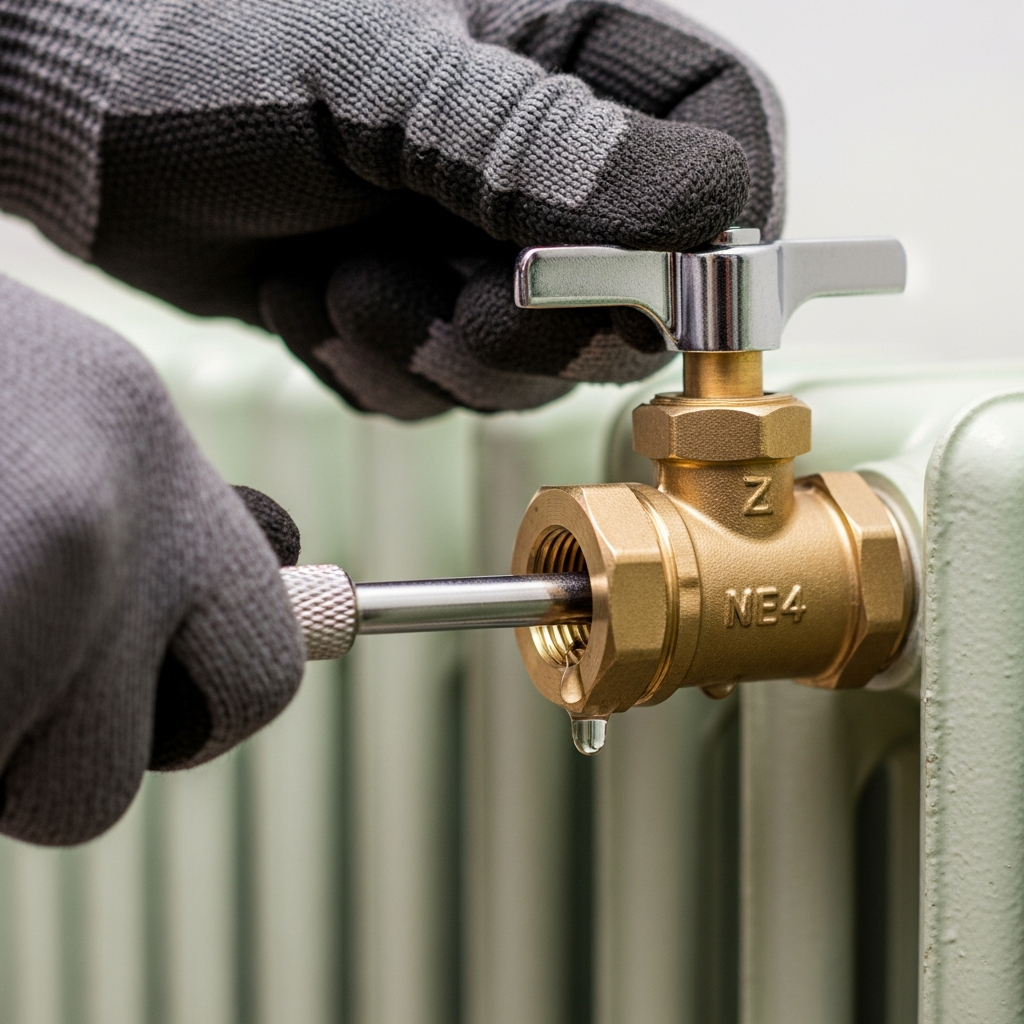
- Locate the bleed valve: This is usually a small valve located at the top of one end of the radiator. It often has a square slot in the centre.
- Insert the bleed key: Place the bleed key into the square slot of the bleed valve.
- Prepare to catch water: Hold the cloth or towel beneath the bleed valve to catch any water that may come out.
- Open the bleed valve slowly: Turn the bleed key anti-clockwise gently. You should hear a hissing sound as the trapped air escapes.
- Close the bleed valve: Once water starts to trickle out steadily (without any air), close the bleed valve by turning the key clockwise. Don’t overtighten it.
- Repeat for all radiators: Work your way around your home, bleeding each radiator in turn. Start with the radiators furthest away from your boiler.
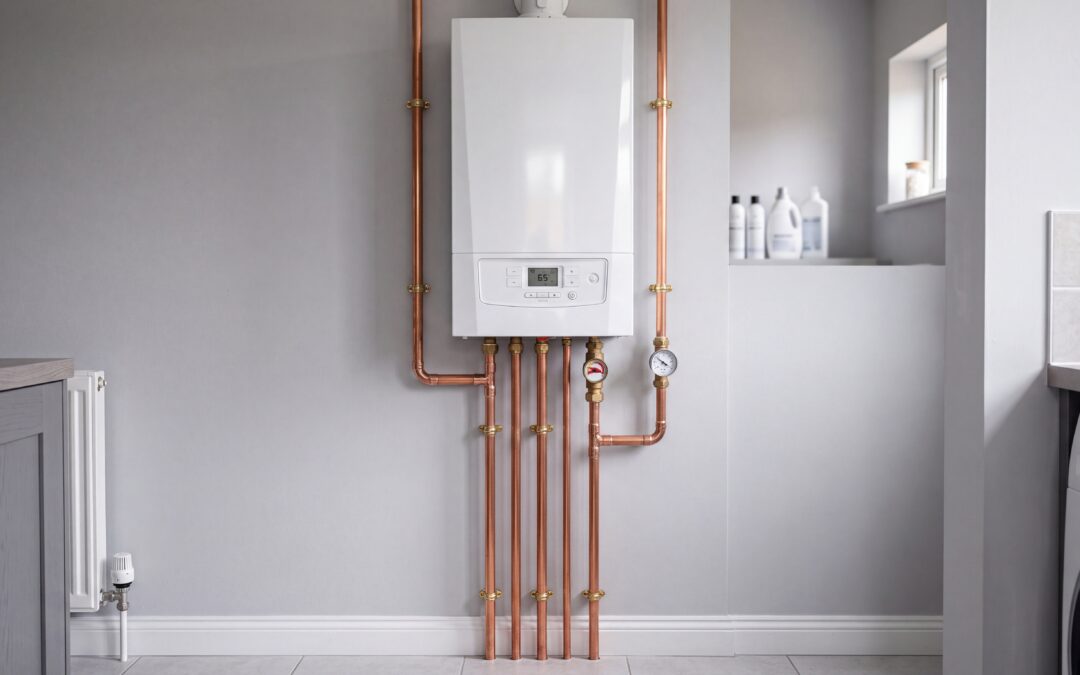
- Check the boiler pressure: After bleeding all the radiators, check the pressure gauge on your boiler. Bleeding radiators can sometimes reduce the pressure. If the pressure is too low, you may need to top it up according to your boiler’s instructions. If you’re unsure, it’s always best to consult a Gas Safe registered engineer. We provide Gas Safety Certificates in Chelmsford and other areas.
- Turn your heating system back on: Once the pressure is correct, turn your heating back on and check that all the radiators are heating up evenly.
When to Call a Professional
While bleeding radiators is usually a straightforward task, there are times when it’s best to call in a qualified heating engineer:
- If you are not comfortable carrying out the task yourself.
- If you’ve bled the radiators and they still aren’t heating up properly.
- If you notice a significant drop in boiler pressure after bleeding the radiators.
- If you suspect a more serious problem with your central heating system.
For peace of mind, consider having your system checked annually. Brentwood Heating offers comprehensive plumbing and heating services throughout Essex. You can also find helpful tips and news on our blog.
Regular maintenance, including bleeding your radiators, can help keep your heating system running efficiently and reliably. If you require assistance with your central heating or need a Gas Safety Certificate in Abridge, don’t hesitate to contact us. We also serve areas such as Billericay, Burnham-on-Crouch, and Bishop’s Stortford.