Selecting the right central heating system for a home or commercial premises in Brentwood or the wider Essex area hinges on three pillars: matching the system type to the property, sizing and specifying it correctly, and planning for efficient, compliant operation over the long term. Whether you are renovating a family home in Hornchurch or managing a multi-tenant office near Southend, the considerations below will help you make an informed, cost-effective choice.
System types at a glance
- Combi boilers (combination): A space-saving, all-in-one solution that provides heating and instantaneous hot water directly from the mains. Best for apartments and small-to-medium homes or single-tenant commercial units with modest simultaneous hot water demand. Pros: compact, no cylinder required, excellent for properties with limited space. Considerations: relies on strong mains pressure/flow; may struggle with multiple bathrooms drawing hot water at once.
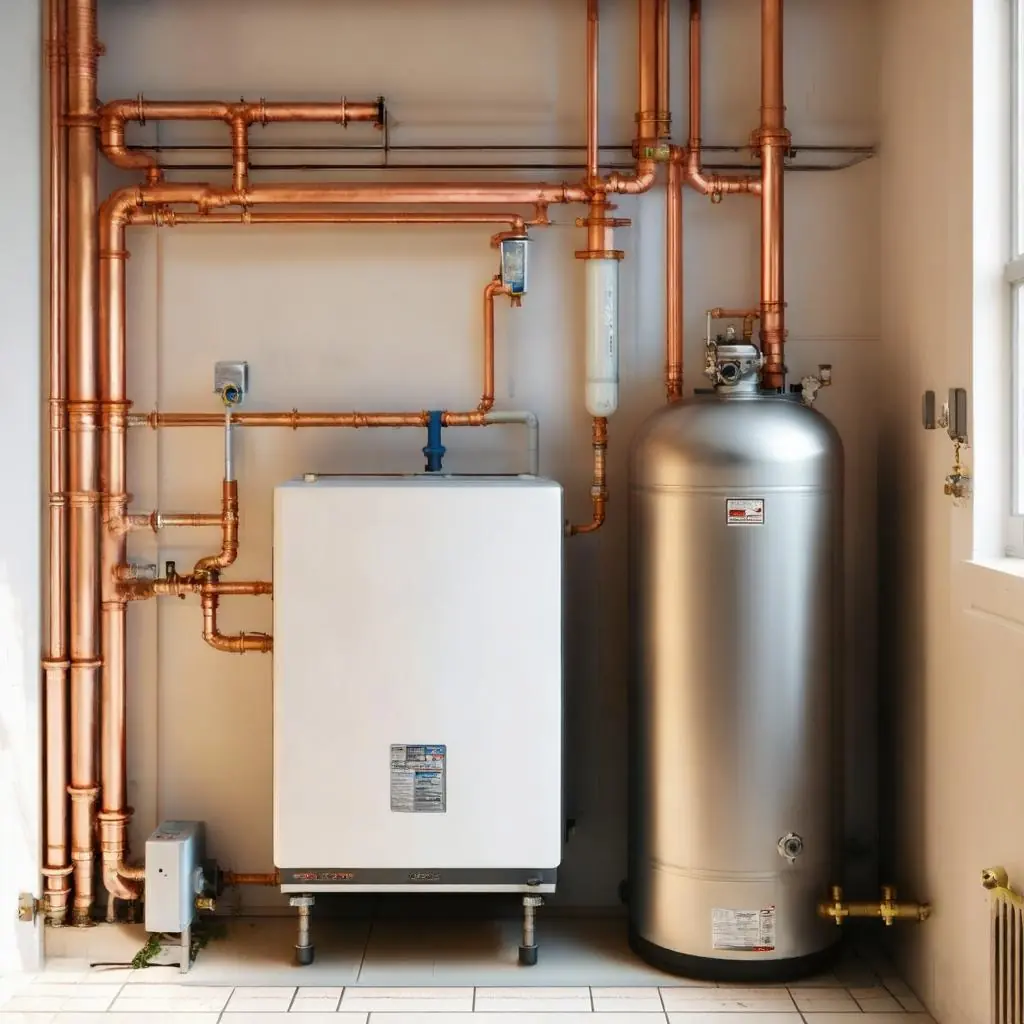
- System boilers with unvented cylinder: Separate hot water cylinder enables strong, simultaneous hot water delivery to multiple outlets, making this a solid fit for larger homes, HMOs, and many light-commercial premises. Pros: better multi-outlet performance; neater than traditional tanks; compatible with modern controls. Considerations: needs cylinder space; slightly higher upfront cost than combi.
- Regular (conventional) boilers with tanks: Often found in older properties with open-vented systems. Can be a practical choice when retaining existing pipework and radiators or when loft tanks are already in place. Pros: proven approach, can accommodate older radiators and gravity-fed systems. Considerations: takes more space; less common in new installs; may require updates for best efficiency.
- Electric boilers and direct electric: A possible option for small spaces or off-gas properties, though running costs are typically higher than gas. Works best where demand is modest or where decarbonisation strategies and on-site renewables are in place.
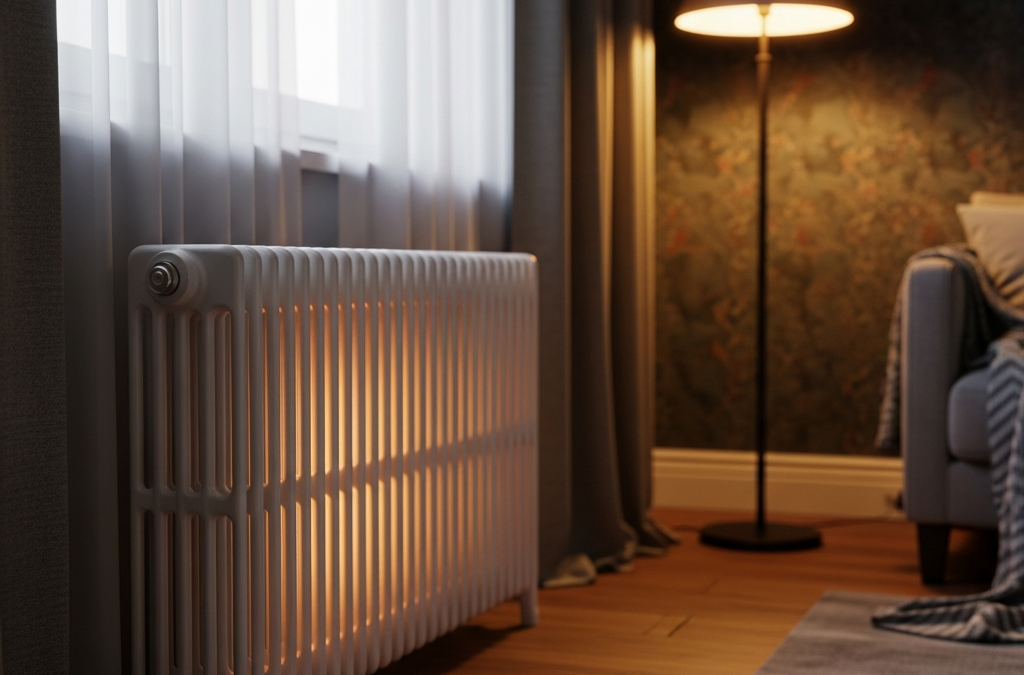
- Underfloor heating and emitters: Radiators remain a versatile default. Underfloor heating (UFH) provides even, comfortable heat and pairs well with modern condensing boilers running at lower flow temperatures, improving efficiency. Mixed systems (radiators upstairs, UFH downstairs) are common in larger homes and many refurbishments.
Fuel and infrastructure
- Gas remains the most common fuel across Essex. If your property is off the gas grid, LPG or electric may be considered. For large commercial plant rooms, cascade boiler arrangements can provide resilience and load matching.
- Water pressure and flow matter. Combi and unvented systems rely on good incoming mains pressure. If yours is low, consider pressure-boosting solutions or opt for a vented configuration.
- Space planning is key. Cylinders, plant areas, flues, and condensate routing must be feasible. For commercial sites, allow for safe access, ventilation, and compliant flue discharge.
Sizing and specification
- Heat loss calculation: Proper sizing is essential. Oversizing leads to short cycling, higher fuel use, and wear; undersizing compromises comfort. A room-by-room heat loss assessment considers insulation levels, glazing, air-tightness, and orientation.
- Zoning and controls: The right zoning (e.g., separating office floors or residential sleeping/living zones) improves comfort and reduces waste. Modern controls—smart thermostats, weather and load compensation, TRVs, and commercial BMS integration—can cut running costs significantly.
- System temperature strategy: Condensing boilers deliver their best efficiency with lower return temperatures. Correct radiator sizing, UFH, and balanced circuits support condensing operation.
- Hot water demand: Map peak usage. Households with multiple bathrooms or commercial sites with showers and kitchens will benefit from a cylinder-based system for reliable flow rates and temperature stability.
Compliance and safety
- All gas work must be undertaken by Gas Safe registered engineers. Landlords and commercial property managers should schedule annual servicing and maintain valid gas safety certification for compliance and insurance.
- Flue integrity, combustion analysis, and proper commissioning are non-negotiable for safety and efficiency. For commercial installations, documentation, plant schematics, and controls strategy are part of a compliant handover.
Practical scenarios
- Busy family home in Brentwood with two bathrooms: A system boiler with an unvented cylinder typically offers the best balance of high hot water performance and efficiency, with smart controls and properly sized radiators to support condensing operation.
- Refurbished office in Upminster with variable occupancy: A modular or cascade boiler setup with zoning and a programmable BMS provides resilience and fine control, reducing energy use during off-peak hours.
- Compact flat in Hornchurch: A well-specified combi boiler can save space and cost, provided mains pressure is adequate and simultaneous hot water demand is limited.
- Multi-let retail unit in Southend: Separate zones and metered sub-circuits help apportion costs. A cylinder-based system may be appropriate if multiple outlets draw hot water simultaneously.
Key questions to assess your premises
- What is the peak hot water requirement and how many outlets will run at once?
- How well insulated is the building, and are there known drafts or cold spots?
- What are the limits of space for cylinders, plant, and flueing?
- How strong is the incoming water pressure/flow?
- Do you need separate zones for different tenants or occupancy patterns?
- What lifecycle budget (purchase, running, and maintenance) is acceptable?
- Are there future plans that might alter load, such as extensions or layout changes?
Budget, Efficiency, Maintenance, and the Value of Professional Installation
Budget and lifecycle costs
- Upfront vs long-term spend: The least expensive boiler to buy is not always the least expensive to own. A correctly sized, well-controlled condensing boiler can deliver substantial savings over its service life through lower gas consumption and fewer breakdowns.
- Brand and warranty: Choosing a trusted manufacturer such as Worcester-Bosch, Vaillant, Ideal, or Baxi enables access to strong parts availability and extended guarantees—often up to 10 years on selected models when installed and maintained to the manufacturer’s standards.
- Future-proofing: Specify modulation ratios that match your load profile, and consider control strategies (weather/load compensation) to lock in efficiency gains. For commercial sites, think ahead about scalability and redundancy (e.g., cascades).
Energy efficiency in practice
- Controls are crucial: Smart thermostats, TRVs, and zoning reduce unnecessary run time. Weather compensation trims boiler temperatures on milder days, improving condensing efficiency.
- System design: Balanced circuits, appropriate pump selection, and hydraulic separation (where needed) stabilise flows and temperatures. These details directly affect comfort and fuel spend.
- Water quality: Sludge and magnetite sap efficiency and cause component wear. A pre-install power flush, magnetic filtration, and corrosion inhibitor safeguard performance throughout the system’s life.
Long-term maintenance
- Annual servicing: Combustion checks, safety inspections, and performance verification reduce breakdown risk and keep running costs predictable. Landlords and commercial managers should align this with gas safety certification schedules.
- Planned preventive maintenance (PPM): For businesses, PPM ensures uptime, protects warranties, and helps forecast plant replacement. For homes, it means fewer surprises and better energy bills.
- Upgrades over time: TRVs, smart controls, replacement of ageing pumps/valves, and additional insulation often deliver quick paybacks without major disruption.
The importance of professional installation
- Safety and compliance: Gas Safe registered engineers complete tightness testing, flue gas analysis, and commissioning to the manufacturer’s benchmark, and notify Building Control when required. This protects occupants and preserves warranties.
- Correct matching of components: Selecting the right boiler size, cylinder specification, controls, and emitters is a technical exercise. Professional design prevents oversizing, eliminates nuisance cycling, and ensures your heating condenses as intended.
- Clean, efficient handover: A quality installation includes documented settings, homeowner/tenant guidance, and clear maintenance schedules—crucial for both domestic comfort and commercial compliance.
Why partner with Brentwood Heating Ltd
- Certified expertise: All engineers are Gas Safe registered, bringing proven competence to every domestic and commercial job. From boiler replacements to full plant upgrades, you benefit from safe, compliant work.
- Tailored system design: Brentwood Heating assesses your property’s heat loss, hot water demand, water pressure, and usage patterns to recommend the most suitable configuration—combi, system with unvented cylinder, or conventional—aligned to your budget and goals.
- Brand flexibility and strong guarantees: With experience across leading manufacturers such as Worcester-Bosch, Vaillant, Ideal, and Baxi, the team can match performance features to your priorities and secure attractive warranties, often up to 10 years on selected boilers.
- Efficiency-first approach: Expect practical guidance on zoning, smart controls, and system temperatures to unlock condensing performance. A thorough system cleanse and the addition of magnetic filtration and inhibitor help protect your investment.
- Rapid, reliable support: 24/7 emergency response and prompt communication mean minimal downtime for businesses and swift restoration of comfort at home. Customers consistently highlight professionalism, punctuality, and tidy workmanship.
- Transparent journey and tailored quotes: While prices are not listed online, you will receive a clear, itemised proposal built around your property, preferences, and budget—aiming for affordability without compromising quality.
Next steps
- Book a survey: A site visit in Brentwood, Upminster, Hornchurch, Southend, or anywhere across Essex allows accurate heat loss calculations, water pressure testing, and a clear discussion of your hot water and zoning needs.
- Review options: You will receive comparative system recommendations, including expected running costs, warranty terms, and any enabling works (e.g., flue route, cylinder location, or control upgrades).
- Plan installation and aftercare: Agree a schedule that minimises disruption. Post-install, set up annual servicing and, where applicable, landlord gas safety certification to keep your system safe, efficient, and warranty compliant.
By combining careful system selection with expert installation and proactive maintenance, homeowners and commercial property managers in Essex can achieve dependable comfort, lower running costs, and lasting peace of mind. Brentwood Heating Ltd stands ready to guide you through each step—from first survey to commissioning and long-term care—so your central heating works exactly as it should, day after day.