After months of disuse, many buildings and community spaces—especially churches, halls, and community centres—discover too late that their heating will not start when the first cold snap arrives. Pumps seize, valves stick, ignition components fail, and years’ worth of sludge settles in pipework and radiators. For property owners and managers, the smart response is simple: test and service your heating system during the summer, when there is time to put issues right without disrupting services or day‑to‑day operations.
There are compelling reasons to act now rather than waiting for autumn:
-
Early fault detection. Running the boiler and circulating heating water for an hour in warm weather highlights problems while they are still manageable. Common issues after long idle periods include seized pumps, stuck diverter valves, ignition and flame‑sensing faults, low system pressure, blocked condensate lines, and thermostat/control failures. Addressing these in summer is faster and more economical than during peak season.
-
Avoiding emergency disruption. Demand for engineers and parts spikes as temperatures drop. By scheduling servicing and repairs in summer, you avoid long queues, reduce the risk of temporary closures for community spaces, and keep occupants comfortable without last‑minute stress.
-
Protecting budgets. Minor summer fixes often prevent major winter breakdowns. Optimising efficiency through servicing, power flushing, and balancing radiators can reduce energy use—important for both operating costs and carbon reduction goals.
-
Safety and compliance. Gas appliances must be checked by Gas Safe registered engineers. Summer is an ideal time to complete annual servicing and obtain Gas Safety certificates, helping landlords, facilities managers, and trustees meet legal obligations and insurance requirements. A service also verifies safe combustion and ventilation, checks flues, and mitigates the risk of carbon monoxide incidents.
-
Performance and comfort. A correctly set‑up system heats evenly and predictably. Summer visits allow engineers to balance radiators, check thermostatic radiator valves (TRVs), inspect expansion vessels and pressure relief valves, and calibrate controls—so the system responds efficiently when the weather turns.
Practical steps you can take now:
- Run the heating for 30–60 minutes and observe start‑up. Listen for unusual noises and check for error codes.
- Inspect boiler pressure (typically around 1.0–1.5 bar when cold, depending on manufacturer guidance) and look for any visible leaks.
- Feel radiators for cold spots that suggest sludge or poor balance.
- Test room thermostats, programmers, and TRVs for proper operation.
- Ensure any carbon monoxide alarms are installed and within date.
- Book a professional boiler service to carry out combustion checks, clean components, and assess the overall system.
For churches and larger community buildings with intermittent occupancy, summer is also the time to review how the system is controlled. Fine‑tuning schedules and zoning can prevent over‑heating empty areas while ensuring comfort for services and events.
Plan upgrades and sustainability improvements—without winter pressure
Beyond maintenance, a proactive summer review creates the space to plan upgrades that improve reliability, efficiency, and environmental performance. If your system is approaching end of life, lead times for replacement boilers, radiators, and controls are easier to manage out of season, and installation can be scheduled around events and opening hours.
Opportunities to consider:
-
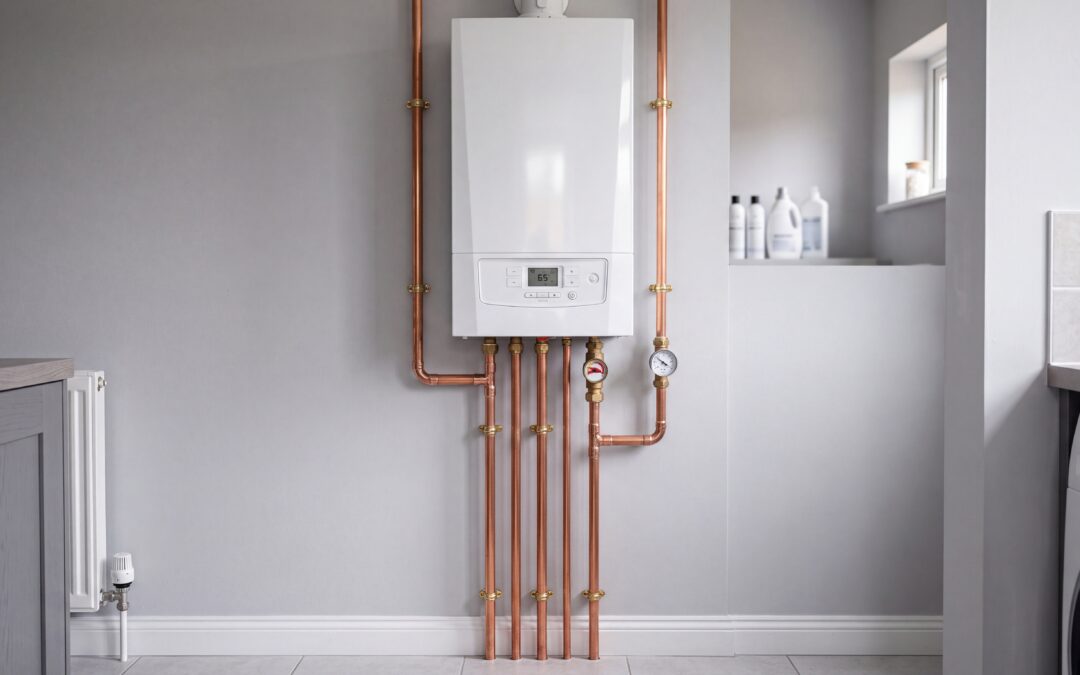
High‑efficiency boilers from leading brands. Modern condensing boilers from manufacturers such as Worcester‑Bosch, Vaillant, Ideal, and Baxi offer improved efficiency, quieter operation, and strong manufacturer guarantees (with options of up to 10 years on certain models). Selecting the right output and controls for your property helps reduce both energy costs and emissions.
-
Smarter controls and zoning. Programmers, weather or load compensation, TRVs, and smart thermostats ensure heat is delivered only where and when it is needed. For multi‑zone buildings—churches with ancillary halls, offices, and community rooms—effective zoning is often the single biggest comfort and efficiency gain.
-
System water quality. Power flushing to remove sludge and installing magnetic filtration can restore radiator performance and protect new components. Treating the water with corrosion inhibitor keeps the system cleaner for longer.
-
Pipework and emitter upgrades. Replacing undersized or corroded radiators, improving balancing valves, and addressing bottlenecks in older pipework can resolve long‑standing cold areas and reduce boiler cycling.
-
Future‑ready choices. If you are working towards sustainability targets, a staged plan—beginning with efficiency measures and controls—can prepare the building for low‑carbon options over time. Even if you are not ready to switch technologies, improving the existing system’s efficiency reduces your carbon footprint immediately.
How Brentwood Heating Ltd supports you:
-
Comprehensive servicing and repairs. Our Gas Safe registered engineers carry out thorough summer services on all major boiler brands, identify developing faults early, and complete repairs before demand peaks.
-
Expert installation and tailored advice. Whether you need a like‑for‑like boiler replacement, a central heating redesign, or controls upgrades, we specify solutions to match your building’s usage patterns and budget. We work with Worcester‑Bosch, Vaillant, Ideal, Baxi and more, with access to attractive manufacturer guarantees, including options of up to 10 years on certain boilers.
-
System optimisation. We provide power flushing, radiator balancing, and filtration to restore efficiency and comfort—particularly valuable in larger or intermittently used spaces such as churches and community halls.
-
Safety and compliance. We issue Gas Safety certificates and ensure your appliances meet current standards, giving property owners, landlords, and trustees peace of mind.
-
Rapid response when needed. Our 24/7 emergency call‑out is there for unexpected issues, but our aim is to prevent emergencies with proactive maintenance and clear, step‑by‑step guidance throughout the customer journey.
-
Respectful, tidy workmanship. Our team is known locally for punctuality, professionalism, and leaving sites clean—qualities reflected in customer feedback across Brentwood and the wider Essex area.
If you manage a property in Brentwood, Upminster, Hornchurch, Southend, or anywhere across Essex, scheduling a summer heating check is a straightforward way to safeguard comfort and control costs before temperatures fall. Brentwood Heating Ltd offers transparent advice and tailored quotations, with flexible options to suit different boiler types and budgets. Arrange your summer service or discuss upgrade plans now, and enter autumn confident that your heating will perform when it matters most.