Healthcare facilities face a unique challenge: providing safe, comfortable, hygienic environments around the clock while managing rising energy costs, growing patient demand, and tightening carbon-reduction targets. Heating, hot water, and building services often account for a large share of a site’s energy use and emissions. Improving the efficiency and sustainability of these systems is therefore one of the most direct ways to control operating costs, enhance resilience, and cut carbon without compromising clinical outcomes.
Across the sector, estates teams are embracing a “fabric-first” approach—reducing energy demand with building upgrades—before introducing low-carbon and electric heating solutions powered by increasingly cleaner electricity and, where feasible, on-site renewables. In practice, this often means combining several measures:
- Advanced insulation and airtightness upgrades to roofs, walls, plantrooms, lofts, pipework, and valves, minimising heat loss and stabilising internal temperatures.
- Double glazing (or secondary glazing for heritage buildings) with low-emissivity coatings to reduce heat loss, draughts, and noise—improving patient comfort and staff wellbeing.
- LED lighting throughout clinical, administrative, and circulation areas, cutting lighting electricity use by 50–70% compared with older technologies, reducing maintenance, and lowering internal heat gains that strain cooling in summer.
- Smart controls and zoning, aligning heating and hot water schedules with actual occupancy and clinical needs.
- The transition from gas to electric heating, with options that include modern electric boilers and, increasingly, high-efficiency heat pumps designed for healthcare hot-water and space-heating demands.
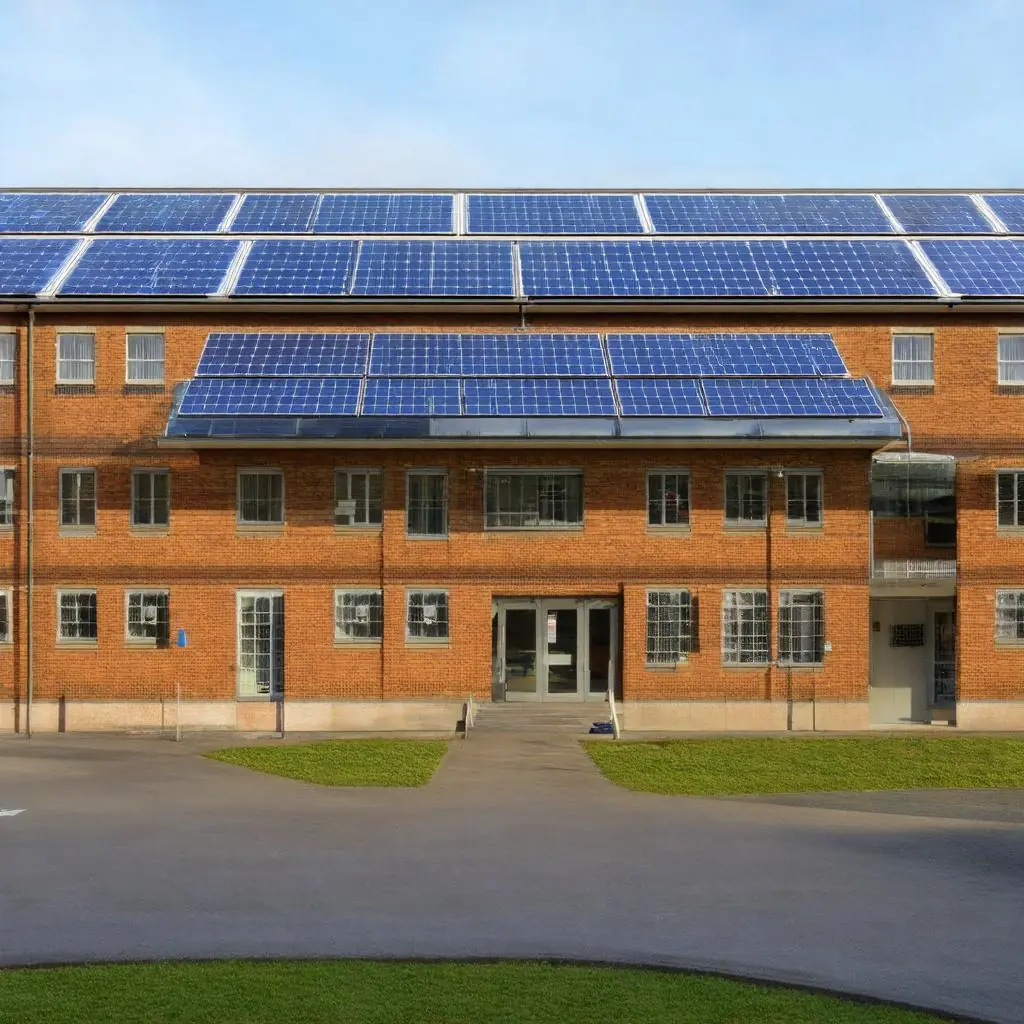
- Integration of solar panels (photovoltaics) to generate on-site electricity that can drive electric heating and building services; in some settings, solar thermal can preheat domestic hot water to further reduce grid demand.
For property managers and business owners, the business case is compelling. Better insulation and glazing cut baseline heat demand. Electric heating (particularly heat pumps) reduces exposure to fossil fuel volatility and benefits as the UK grid decarbonises. Solar generation reduces imported electricity and can be combined with controls and thermal storage to shave peaks. Together, these steps deliver lower whole-life cost, improved resilience, and measurable progress towards net-zero goals—critical outcomes in healthcare environments where compliance, continuity of service, and reputation are paramount.
Brentwood Heating Ltd supports healthcare organisations across Brentwood and Essex—including Upminster, Hornchurch, and Southend—in planning and delivering these upgrades. Our Gas Safe registered engineers focus on reliability, safety, and minimal disruption, providing transparent advice and rapid response when you need it most.
A practical roadmap to net-zero-ready heating for healthcare facilities
Moving to sustainable heating is most effective when planned as a phased, risk-managed programme. The following framework brings together proven measures and operational considerations specific to healthcare estates.
1) Establish your baseline and goals
- Audit consumption, costs, and comfort: Gather at least 12 months of gas, electricity, and water data. Identify patterns in space heating, domestic hot water (DHW), and process loads. Flag areas with persistent comfort issues, temperature swings, or high maintenance call-outs.
- Survey the plant and distribution: Document boilers, calorifiers, pumps, controls, pipework insulation, emitters, and ventilation interfaces. Note end-of-life equipment and compliance risks.
- Set clear targets: For example, a percentage reduction in kWh/m², peak demand reduction, carbon intensity, and comfort metrics (e.g., maintaining clinical setpoints in critical zones).
2) Reduce demand first: fabric and quick wins
- Advanced insulation: Upgrade roof and cavity insulation; insulate primary pipework, valves, and calorifiers; fit cylinder jackets; and seal common air leakage paths (plantroom penetrations, service risers, and loft hatches). Thermal imaging can pinpoint losses without invasive surveys.
- Double glazing and doors: Specify low-E, argon-filled units and high-performance door systems; consider secondary glazing where replacements are impractical. Expect better temperature stability, lower noise, and reduced draughts in wards and consulting rooms.
- LED lighting and controls: Replace fluorescents and halogens with high-quality LEDs; add presence/daylight sensors in corridors, stores, and back-of-house areas. Reduced heat from lighting can also ease summer cooling loads.
- Controls optimisation: Implement weather compensation, optimise start/stop, and introduce room-level zoning where practical. For condensing boilers, keep return temperatures low enough to promote condensing operation. Hydraulic balancing ensures uniform heat delivery at lower flow temperatures.
- System cleansing: Power flushing and water treatment restore heat-transfer efficiency and protect new plant, often yielding immediate savings and better comfort.
3) Plan the transition from gas to electric heating
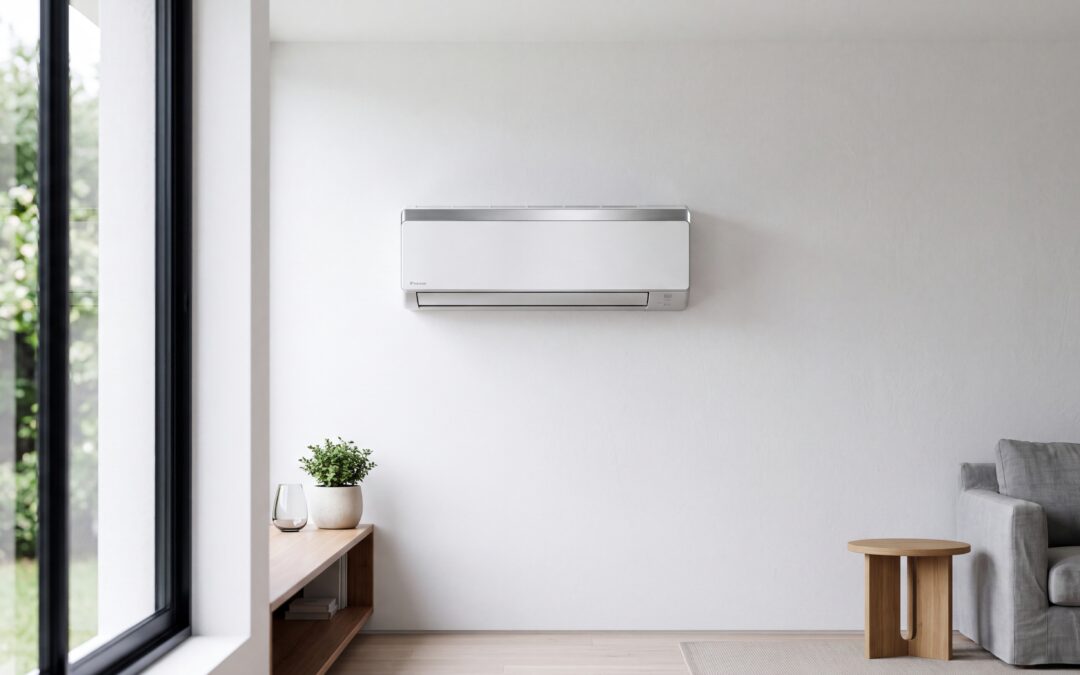
- Heat pump-led solutions: Air-source heat pumps (ASHPs) are often the most practical first step, especially when combined with fabric upgrades and low-temperature distribution (e.g., larger radiators, fan-coils, or underfloor zones). For sites needing higher DHW temperatures, choose units designed for healthcare applications and incorporate pasteurisation cycles or auxiliary top-up to manage Legionella risk.
- Hybrid approaches: In many estates, a staged transition makes sense—retaining high-efficiency condensing boilers for peak loads or legacy circuits while adding heat pumps for base load. This reduces capital spikes, eases grid-capacity constraints, and builds in redundancy—a vital consideration for 24/7 operations.
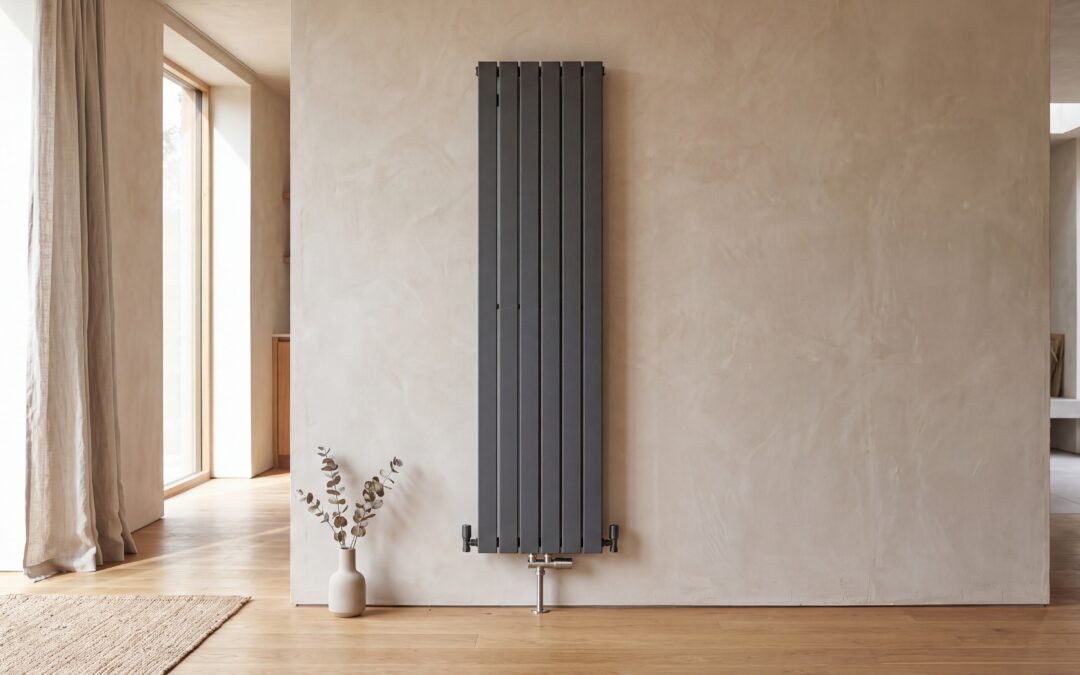
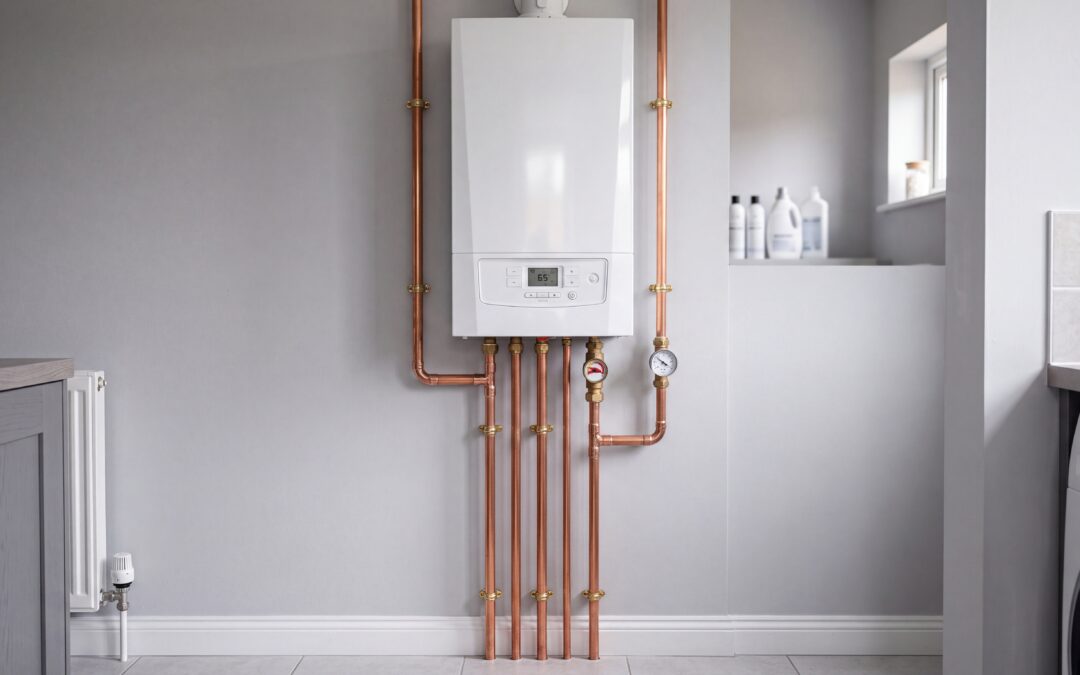
- Electric boilers and point-of-use heaters: Where space, planning, or timelines rule out heat pumps in the near term, electric boilers can decarbonise heat as the grid continues to green. Point-of-use electric water heaters can relieve DHW bottlenecks or serve decanted areas during refurbishment.
- Distribution and emitters: Lower-temperature heating benefits from emitter upgrades and precise controls. Consider phased radiator replacements, the introduction of fan-assisted radiators in high-demand rooms, and zoning to align with clinical occupancy patterns.
- Grid and resilience: Engage early on electrical capacity and resilience planning. Battery storage or thermal stores can smooth peaks; backup strategies must be maintained to protect critical services during transitions.
4) Integrate solar panels and smart controls
- Solar PV: Rooftop PV can offset daytime electricity use by heat pumps, circulation pumps, and controls. Consider export-limiting inverters where grid constraints apply and align PV output with DHW preheat or thermal storage to maximise self-consumption.
- Solar thermal (selectively): In facilities with high, consistent DHW demand, solar thermal can preheat cylinders, reducing the lift required from heat pumps or boilers.
- Building management and monitoring: Use a BMS or cloud-based controls to coordinate heat sources, manage setpoints, and schedule pasteurisation safely. Sub-metering and dashboards provide the data needed to verify savings and optimise performance over time.
5) Address healthcare-specific risk and compliance
- Water hygiene: Ensure DHW systems with heat pumps include safe pasteurisation strategies and temperature monitoring compliant with healthcare water safety requirements. Review mixing valves, dead-legs, and circulation to minimise Legionella risk.
- Infection control and works phasing: Plan installations to minimise disruption, dust, and noise. Work out-of-hours where needed; use temporary plant to maintain service continuity.
- Safety and certification: Gas plant should be serviced and certified by Gas Safe registered engineers; electrical works must be appropriately certified. Maintain clear documentation for audits and estates records.
6) Build the business case and funding plan
- Whole-life costing: Compare options on total cost of ownership—capital, maintenance, energy, and expected lifespan—rather than headline capex alone. Include realistic grid-carbon trajectories to reflect the improving emissions profile of electric heat.
- Phased delivery: Sequence fabric improvements before major plant replacements to right-size new equipment and avoid over-investment.
- Incentives and grants: Explore available public-sector decarbonisation funding and finance mechanisms, alongside private-sector options. Well-prepared energy audits and performance projections strengthen applications and board approvals.
- Contracts and guarantees: Seek robust manufacturer warranties (up to 10 years available on selected boilers) and performance guarantees where appropriate. Clear KPIs for comfort, uptime, and savings keep projects accountable.
7) Maintain, verify, and iterate
- Planned preventive maintenance: Keep plant in top condition with scheduled servicing, water treatment checks, and filter cleaning. Predictive alerts from modern controls reduce downtime and emergency call-outs.
- Continuous optimisation: Track kWh, temperatures, and runtime data. Seasonal recommissioning—adjusting curves and schedules as the weather changes—protects savings over time.
- Staff engagement: Train facilities teams on new controls and escalation procedures; simple operational habits (e.g., avoiding manual overrides) preserve efficiency and comfort.
How Brentwood Heating Ltd can help
- Independent, tailored advice: We carry out site surveys and provide clear, itemised recommendations that reflect your building, clinical priorities, and budget.
- Phased, low-disruption delivery: From power flushing and insulation of plantroom pipework to high-efficiency boiler replacements and control upgrades, we plan works around your operations and provide 24/7 support for critical services.
- Trusted workmanship: Our Gas Safe registered engineers install and maintain leading boiler brands, including Worcester-Bosch, Vaillant, Ideal, and Baxi, and we coordinate with trusted partners for complementary measures such as glazing and solar PV so you have a single, accountable point of contact.
- Transparent journey and aftercare: You receive straightforward pricing, clear timelines, tidy work on site, and responsive aftercare—everything you need for a reliable, hassle-free experience.
For healthcare property managers and business owners in Brentwood and across Essex, the path to net-zero heating is achievable and commercially sensible. Start with fabric improvements, adopt data-led controls, and plan a measured transition from gas to electric heating supported by on-site renewables. The result is a safer, more comfortable, lower-cost estate that is resilient to future energy and regulatory change. When you are ready to explore options, we can help you assess the opportunities, phase the work, and deliver dependable outcomes with minimal disruption.