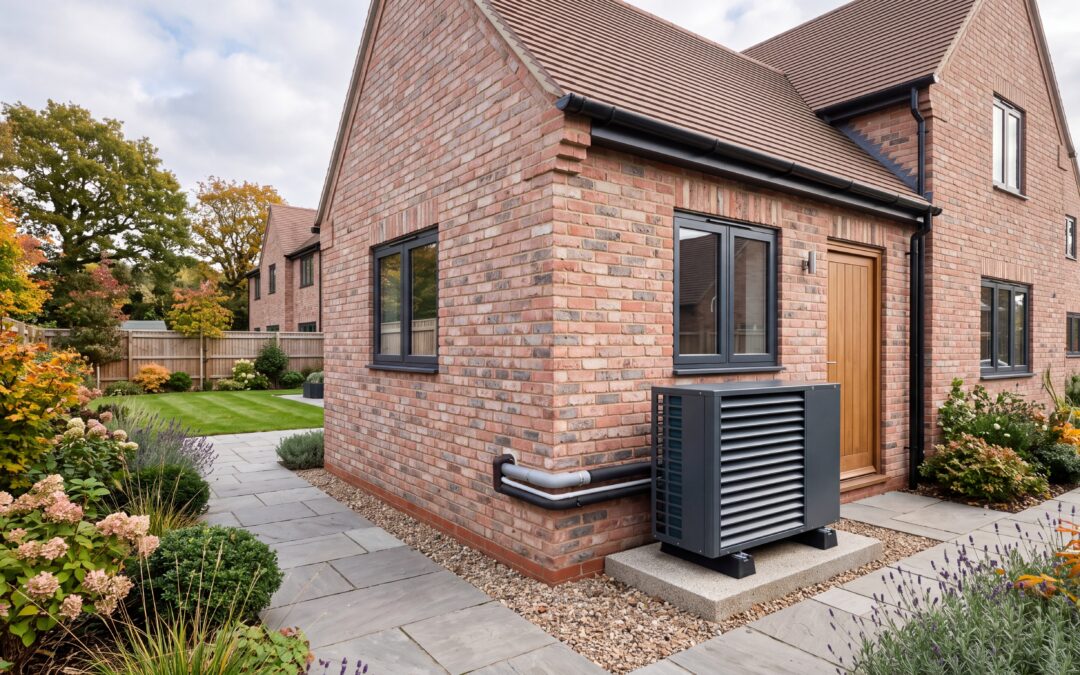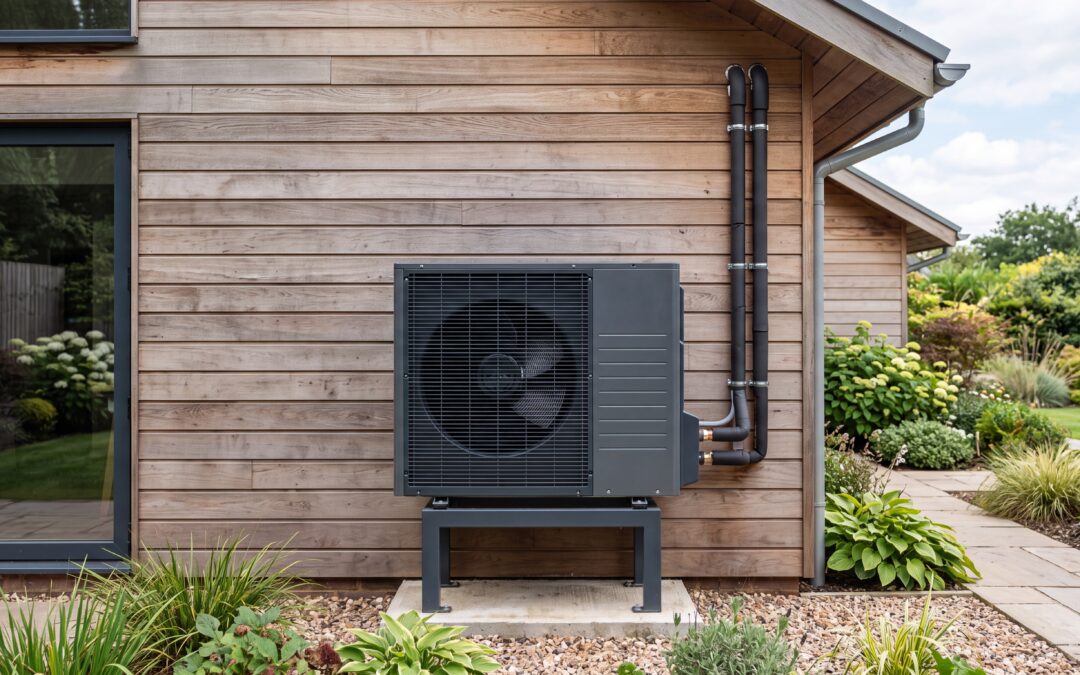
For many UK households, interest in cooling has increased as summers become warmer. If you are considering installing or replacing conventional air conditioning, a modern heat pump offers a more future‑proof, energy‑efficient alternative that provides both cooling in summer and efficient heating in winter. Beyond year‑round comfort, heat pumps help reduce carbon emissions, support climate action goals, and can lower running costs—especially when paired with smart controls, good insulation, and suitable energy tariffs.
Key advantages include:
- Significant carbon footprint reduction: A heat pump does not burn fuel in the home. Instead, it moves heat using electricity. Because today’s UK grid is increasingly powered by renewables, every kilowatt hour used by a heat pump generally produces much less CO₂ than burning gas or using direct‑electric heaters for warmth. A well‑sized air‑source heat pump typically delivers 2.5–3.5 units of heat for every unit of electricity consumed (its seasonal coefficient of performance, or SCOP). This multiplier effect is the core reason heat pumps are central to the UK’s net zero strategy.
- Year‑round comfort from a single system: Heat pumps reverse operation to provide cooling when needed and gentle, even heat when temperatures drop. Unlike on/off conventional systems, inverter‑driven heat pumps modulate their output to maintain steady, comfortable conditions with fewer temperature swings. This can improve comfort, cut energy use, and reduce noise.
- Improved indoor air quality and safety: Because there is no combustion in the living space, heat pumps avoid indoor emissions of carbon monoxide and nitrogen oxides. Many units include filtration options that can help remove particulates and allergens during air circulation. In cooling mode, dehumidification also supports comfort in humid weather. For households currently using gas fires or older boilers, moving towards an all‑electric heating and cooling strategy can reduce in‑home pollution and safety risks tied to combustion appliances.
- Energy efficiency and potential bill savings: While every property is different, a correctly specified heat pump running at low flow temperatures and paired with suitable radiators or underfloor heating can be substantially more efficient than traditional electric heating, and competitive with, or lower than, the running costs of modern gas systems—particularly as electricity tariffs continue to evolve and the grid decarbonises. When a heat pump replaces a separate air‑conditioning unit and provides heating too, households can eliminate duplicated maintenance and reduce total system energy use across the year.
- Support for climate action goals: Heat pumps are a cornerstone of the UK’s pathway to lower emissions from buildings. By reducing reliance on fossil fuels for space heating and domestic hot water, households contribute meaningfully to local and national targets.
- A step towards fully electric, sustainable homes: Heat pumps align with the shift to all‑electric properties. They integrate well with rooftop solar PV, battery storage, and smart tariffs. Over time, these technologies can work together to optimise running costs, provide greater energy independence, and reduce exposure to fossil fuel price volatility.
It is important to note that performance and savings depend on good design and installation. Insulation, airtightness, radiator sizing, control strategy, and commissioning quality all influence results. A thorough heat‑loss assessment and a system designed for lower flow temperatures help ensure quiet operation, efficient performance, and comfortable rooms throughout the home.
Making the switch in Essex: incentives, practical steps, and how Brentwood Heating can help
Transitioning from a traditional air‑conditioning setup to a heat pump is most successful when approached methodically and with the right local support. Homeowners in Brentwood and across Essex have access to a range of UK initiatives and best‑practice steps that can make the process more straightforward and affordable.
What support is available in the UK:
- Boiler Upgrade Scheme (BUS): Grants are available in England and Wales to help with the upfront cost of installing an eligible air‑source or ground‑source heat pump. Funding levels and criteria are subject to change, so it is advisable to check the latest guidance and availability before planning works.
- VAT relief on energy‑saving measures: The government has offered reduced or zero VAT on certain energy‑saving materials for a defined period. Confirm current eligibility and timelines before proceeding.
- Fabric‑first programmes: Schemes such as the Great British Insulation Scheme and other local authority initiatives can support insulation and heat‑loss improvements. Better fabric performance reduces the size of heat pump required and improves comfort and running costs.
- Smart tariffs and metering: Time‑of‑use electricity tariffs, smart meters, and intelligent controls can further improve the economics of a heat pump by shifting consumption to cheaper, lower‑carbon periods.
Practical steps to prepare your home:
- Heat‑loss survey and room‑by‑room design: This determines the correct system size and ensures each space is heated efficiently. Proper sizing avoids short‑cycling, noise, and unnecessary energy use.
- Fabric improvements: Upgrading insulation, windows, and draught‑proofing first can reduce the required output and allow the heat pump to run at lower, more efficient temperatures.
- Emitter checks and upgrades: Radiators or underfloor heating must be compatible with lower flow temperatures. In some homes, replacing undersized radiators or adding panels increases comfort and efficiency.
- Hot‑water considerations: Many installs pair a heat pump with a well‑insulated cylinder. Correct sizing, coil selection, and legionella protection are essential.
- Controls and zoning: Weather compensation, load compensation, and smart room controls help the system modulate smoothly, reduce peaks, and improve comfort.
- Planning and placement: Most air‑source heat pumps fall under permitted development, subject to siting and noise criteria. Professional advice ensures compliance and considerate positioning.
How Brentwood Heating supports your transition:
- Independent guidance tailored to Essex homes: As a locally owned plumbing and heating company serving Brentwood, Upminster, Hornchurch, Southend and the wider region, Brentwood Heating provides clear, pragmatic advice on whether a heat pump is suitable for your home now—or what preparatory steps would maximise benefits later.
- System readiness and upgrades: Our Gas Safe registered engineers carry out heat‑loss checks, review your current central heating layout, and recommend any required radiator resizing, pipework adjustments, or cylinder upgrades. We also offer power flushing to restore system performance before commissioning new equipment.
- Integration and coordination: Where a heat pump installation is pursued, we can coordinate with trusted, accredited heat pump specialists to ensure the plumbing, controls, and emitters are correctly designed and installed for low‑temperature operation. This joined‑up approach helps deliver a reliable, quiet system from day one.
- Smooth customer journey: From initial consultation and tailored quotations to post‑installation support, we prioritise transparency, tidy workmanship, and respectful service—values reflected across our customer testimonials.
- Responsive support when you need it: With rapid response times and 24/7 emergency cover for urgent plumbing and heating issues, we help keep your home comfortable and safe throughout the year—whether you are still running a conventional boiler, moving to a hybrid system, or completing the shift to fully electric heating.
- Future‑ready advice: We can discuss complementary measures such as smart controls, insulation upgrades, and how a heat pump might integrate with solar PV or battery storage. Our focus is on delivering practical, long‑lasting solutions aligned with your budget, property, and sustainability goals.
The bottom line for homeowners is compelling. Replacing standalone air conditioning with a heat pump can consolidate heating and cooling into a single, efficient system; lower your home’s carbon footprint; support cleaner indoor air; and, with good design and available incentives, reduce running costs. It also positions your property for an all‑electric, low‑carbon future that is increasingly supported by national policy and local initiatives.
If you are considering this step for your property in Brentwood or across Essex, we invite you to request a tailored assessment and quote. Brentwood Heating will help you understand the options, prepare your central heating for low‑temperature operation, and coordinate a smooth, hassle‑free transition to a system that delivers comfort, reliability, and long‑term value.