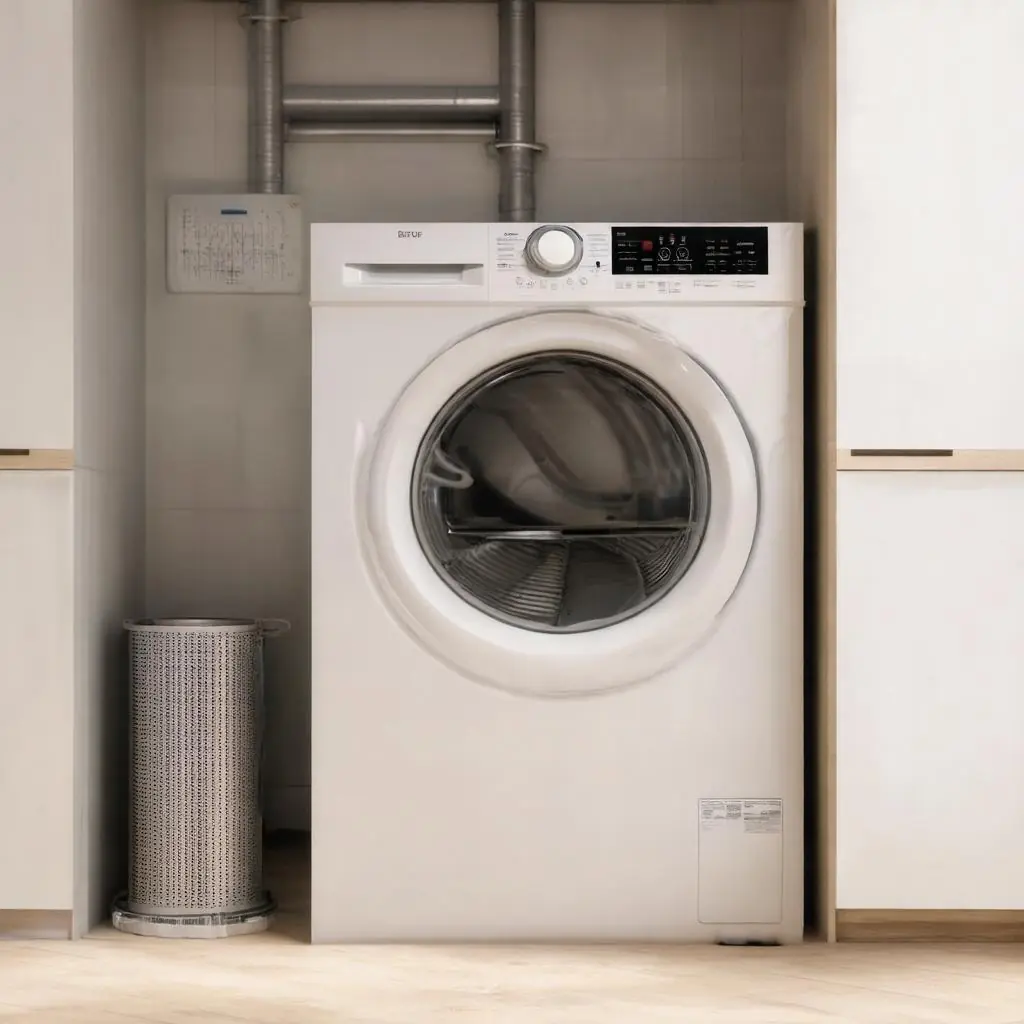
Tumble dryers save time and help keep busy households and commercial premises running smoothly. However, they concentrate heat, air, and flammable lint—three ingredients that demand careful control. The following best practices will help you operate any tumble dryer—vented, condenser, or heat pump—safely and efficiently.
-
Read and follow the manufacturer’s instructions. Appliance designs vary. Controls for temperature, fabric care, filter locations, and maintenance access points differ between models and brands. Keep the manual accessible, or download a copy from the manufacturer’s website.
-
Site and install the dryer correctly. Ensure the appliance is level, stable, and positioned with sufficient clearance for ventilation as specified by the manufacturer. Vented dryers should discharge to the outside through a dedicated duct. Avoid long, crushed, or sharply bent duct runs that trap lint and restrict airflow. Rigid metal ducting is safer and more durable than thin plastic hose, which can be flammable.
-
Clean the lint filter after every use without exception. Lint is highly combustible. Remove the filter, clear lint from both sides, and check the filter cavity; vacuum this area regularly to clear any build-up beyond the screen. Monthly, inspect around the door seal and sensor strips for lint or residue.
-
Keep vents, ducts, and the exterior outlet clear. For vented dryers, check and clean the ducting and outside grille every three to six months (more often for heavy use) to prevent blockages and overheating. For condenser and heat pump dryers, clean the condenser or heat exchanger as directed and ensure any air intake grilles are dust-free.
-
Never overfill the drum. Overloading restricts airflow, causes longer drying times, and can overheat components. Observe the stated capacity (which may be lower for certain fabrics). If in doubt, split the load.
-
Avoid drying oil-contaminated textiles. Items soiled with cooking oil, motor oil, solvents, polish, or flammable liquids can self-heat and ignite—even after washing. If oil contamination is suspected, wash thoroughly with a strong detergent and hot water, then line-dry. Do not tumble-dry microfibre cloths heavily used with oils until fully degreased.
-
Choose the correct cycle and temperature. Select settings matched to the fabric type and load size. High heat on delicate or mixed loads increases risk and wear. Using automatic moisture-sensing programs helps prevent overdrying and heat build-up.
-
Check pockets and closures. Remove coins, lighters, pens, and batteries. Foreign objects can spark, leak, or damage the drum and seals.
-
Only run the dryer when someone is home and awake. Unattended operation removes your ability to intervene early if a problem arises. If you notice unusual smells, noises, or heat, stop the cycle and investigate safely.
-
Use the correct power supply. Plug the dryer directly into a suitable wall socket. Avoid extension leads or multiway adapters, which can overheat under continuous high load. Ensure the circuit is RCD-protected, and periodically check that the plug and socket are not becoming excessively warm.
-
Keep the area around the dryer clear. Do not store aerosols, solvents, or combustible materials nearby. Ensure adequate ventilation, particularly in small laundry cupboards or utility rooms. Never cover vents or grilles.
-
Maintain condenser and heat pump components. Empty water reservoirs after each cycle if your model does not self-drain, and keep the heat exchanger/condenser clean per the manual. Blocked components reduce efficiency and increase operating temperature.
-
Handle foam-filled items with caution. Many items containing foam rubber (e.g., some pillows, mats) are unsuitable for tumble drying and can present a fire risk. Always follow the care label.
-
Remove laundry promptly at the end of the cycle. This reduces creasing and allows residual heat to dissipate. Leave the door slightly ajar after use to help moisture escape and discourage mould growth.
-
Recognise warning signs and act. If you smell burning, see smoke, or the appliance feels unusually hot to the touch, switch off the dryer, disconnect the power if safe to do so, keep the door closed to starve any smouldering of oxygen, and call the emergency services if fire is suspected. Arrange a professional inspection before using the appliance again.
These measures, combined with working smoke alarms and a clear, rehearsed household fire plan, materially reduce risk without compromising convenience.
Registration, recalls, secondhand guidance, and maintenance routines
Beyond daily operation, ownership practices play a central role in appliance safety and compliance. Registration, recall awareness, and regular maintenance ensure you receive timely safety information and keep the dryer in sound condition.
-
Register your appliance for safety updates. Manufacturers issue service bulletins and safety notices via product registration. In the UK, you can register most brands quickly at Register My Appliance (AMDEA) or directly on the manufacturer’s website, using the model and serial number from the rating plate. Registration is free and enables prompt contact if your model is affected by a safety action.
-
Check for recalls and safety notices periodically. Before first use—and periodically thereafter—verify whether your model appears on:
- The manufacturer’s safety/recall page.
- GOV.UK’s Product Recalls and Alerts.
- Trading Standards or OPSS alerts.
Have your exact model and serial number to hand. If you purchase a used appliance, check immediately before installation.
-
Understand your rights if a product is recalled (UK). If a manufacturer identifies a safety defect, they must provide a free remedy—typically a repair/modification, replacement, or refund—and should communicate clearly and act promptly. You should not be charged for inspection, parts, labour, or collection associated with the recall remedy. In addition:
- Consumer Rights Act 2015: If the dryer you bought from a trader is faulty or unsafe, you may be entitled to a repair, replacement, or refund. Within the first 30 days you have a short-term right to reject for a full refund. After 30 days and within six months, the trader usually has one opportunity to repair or replace before further remedies apply.
- For secondhand purchases from a business, your rights under the Act still apply (goods must be of satisfactory quality and safe, considering age and price).
- Private sales have more limited rights, but recall remedies offered by the manufacturer typically still apply. If in doubt, stop using the appliance and contact the manufacturer.
- Landlords and commercial operators have duties to provide and maintain safe equipment; act immediately on recall notices affecting supplied appliances.
-
Guidance for secondhand appliance owners. Buying used can be cost-effective, but safety checks are essential:
- Verify the model/serial number and check recall status before purchase.
- Inspect the power cord, plug, and casing for damage or signs of overheating. Do not accept appliances with scorched plugs, taped cables, or missing panels.
- Confirm that all safety features are present and functional (door latch, filter, sensors).
- Obtain or download the correct manual.
- Consider a Portable Appliance Test (PAT) if you are a landlord or operating in a commercial setting.
- Replace any plastic vent hose with rigid metal ducting, and install to manufacturer standards.
- Run a short supervised test cycle to check for abnormal noises, smells, or error codes.
-
Establish a maintenance cadence. A simple, consistent routine keeps risk low and efficiency high:
- After every cycle: Clean the lint filter; empty the water tank (if applicable); leave the door ajar.
- Weekly: Wipe moisture sensors and door seals; vacuum around the filter housing.
- Monthly: Clean the condenser/heat exchanger (condenser/heat pump models) and dust intake grilles.
- Every 3–6 months: Inspect and clean vent ducts and exterior outlets; check the plug and socket for heat discolouration; ensure the machine remains level and vibration-free.
- Annually (or sooner for heavy use/commercial settings): Arrange a professional inspection or service via the manufacturer’s service network or a qualified appliance technician.
-
Know when to call a professional. Persistent tripping, unusual noises, repeated overheating, drum not turning, or error codes merit professional attention. For electric dryers, use a qualified appliance engineer or electrician. For gas tumble dryers, installation and any gas work must be undertaken by a Gas Safe registered engineer.
At Brentwood Heating Ltd, safety is at the heart of everything we do. While this guidance focuses on tumble dryers, the same principles—cleanliness, airflow, correct installation, and timely maintenance—apply across your home’s critical systems. Our Gas Safe registered engineers provide rapid, reliable boiler repair, servicing, and installation; central heating upgrades and power flushing; gas safety certification; emergency call-outs; and plumbing services that help keep your property safe and comfortable.
If you are in Brentwood or the wider Essex area—including Upminster, Hornchurch, and Southend—and wish to complement your appliance safety with a thorough heating system service, gas safety check, or advice on safe ventilation in utility spaces, we are here to help. We offer clear, tailored quotes to suit different boiler types and budgets, and selected installations carry guarantees of up to 10 years for added peace of mind. Our 24/7 response, tidy workmanship, and transparent customer journey are designed to remove hassle and keep you protected.
For immediate fire risk, always contact the emergency services. For ongoing safety, maintenance, and compliance across your heating and plumbing systems, contact Brentwood Heating Ltd for dependable local support.