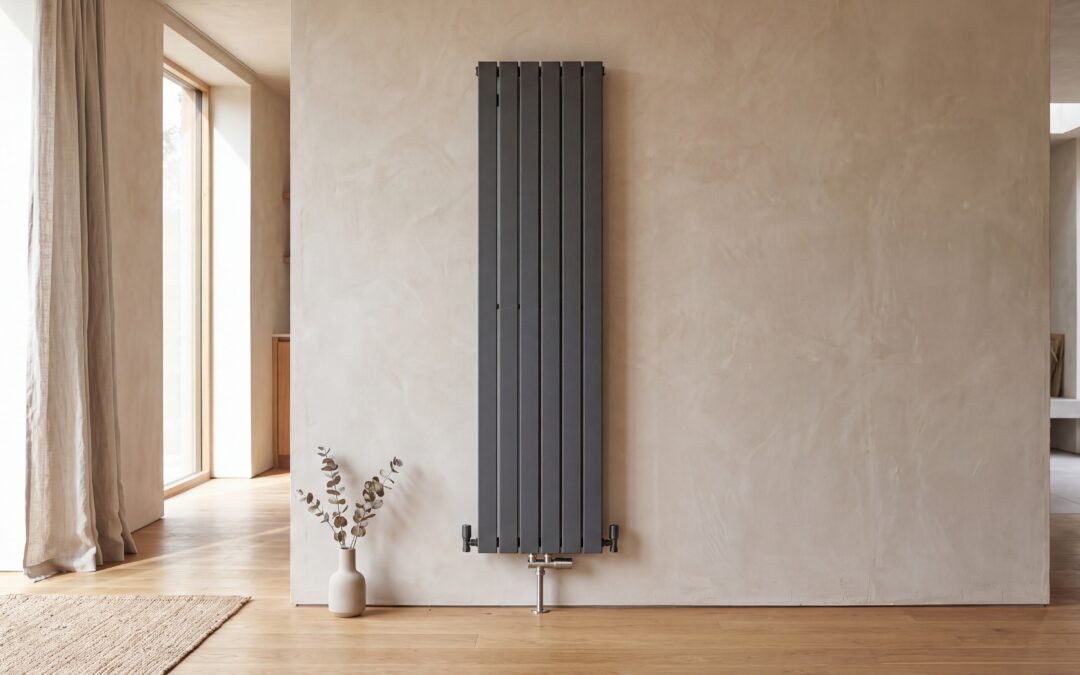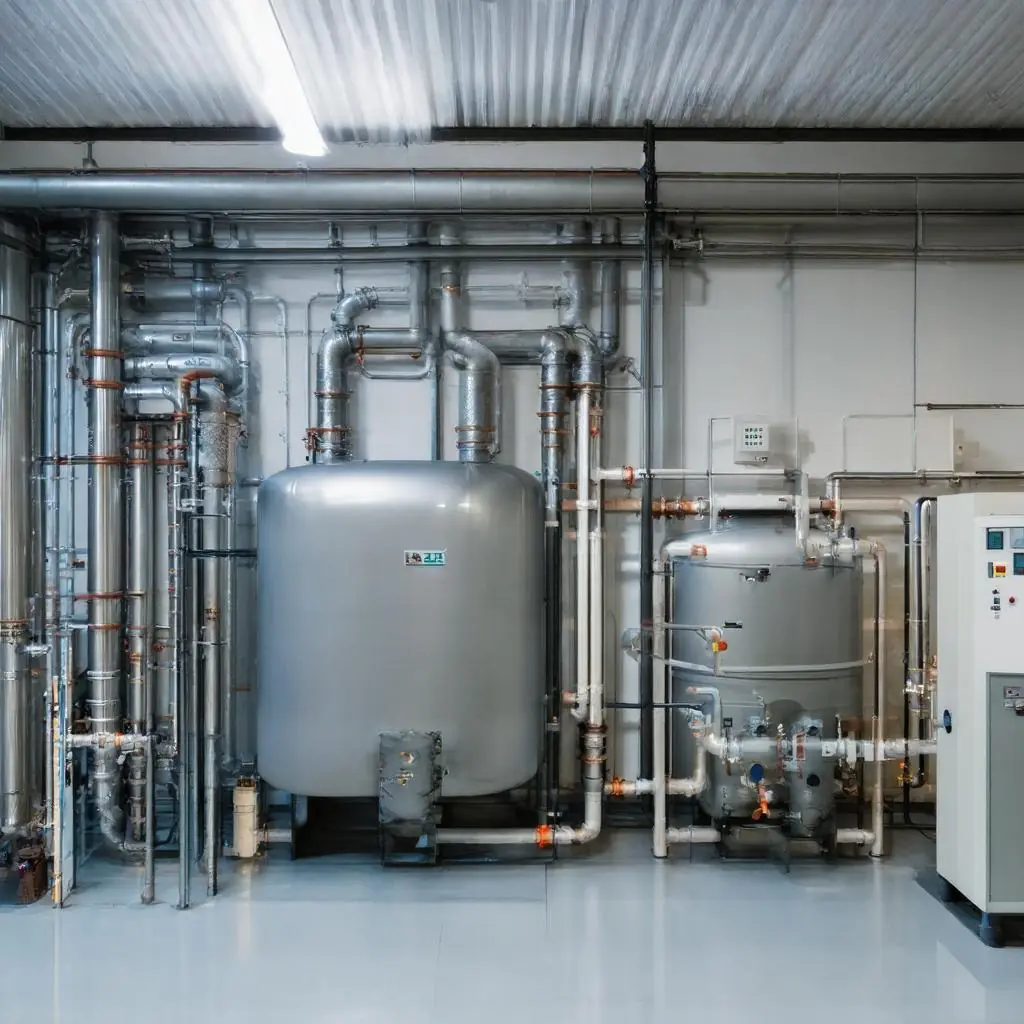
A major hospital recently announced close to $100 million in facility upgrades, with the centrepiece a roughly $43 million overhaul of its central energy plant to replace ageing heating, cooling and power systems. The wider programme spans upgrades to operating theatres, imaging and sterile processing equipment, renovations to patient and public areas, and the addition of advanced procedure suites. Most projects are scheduled to complete within two years. This kind of investment reflects a broader trend across healthcare estates: modern plant delivers measurably better reliability, control and efficiency, while creating a platform for future growth and decarbonisation.
Hospitals depend on continuous, precisely controlled heating, cooling and power. As demand grows and compliance requirements tighten, legacy equipment struggles to keep pace. The business case for renewal increasingly rests on these drivers:
-
Reliability and resilience: New plant reduces unplanned outages and introduces redundancy (duty/standby or N+1 configurations) to protect critical operations. Modern controls provide live diagnostics and fault prediction to prevent small issues becoming major disruptions.
-
Capacity and scalability: Upgraded plant can accommodate future expansion—additional wings, higher bed counts, or more energy‑intensive clinical equipment—without re‑engineering the whole system.
-
Tighter environmental control: Advanced boilers, chillers and air handling systems, governed by a modern BMS, achieve closer control of temperatures, humidity and pressure regimes, essential in theatres and imaging suites and equally valuable in any environment where comfort and productivity matter.
-
Lower running costs: High‑efficiency condensing boilers, variable‑speed pumps and optimised sequencing trim fuel and electricity consumption. Heat recovery and improved distribution reduce wasted energy.
-
Decarbonisation pathway: Electrification via heat pumps, hybrid solutions that run boilers only in peak conditions, and better controls form credible steps toward net‑zero, often aligning with funding or compliance incentives.
These benefits are not unique to acute healthcare. Offices, private healthcare facilities, hospitality venues, schools and colleges, and light industrial sites across Essex face the same imperatives. The lesson is clear: treat your plant room as a strategic asset. Plan upgrades deliberately, phase them to minimise downtime, and lock in performance with robust maintenance and monitoring.
Applying the lessons in Essex: assessment, technology choices, delivery and ongoing assurance
Assess whether your plant is due for renewal
-
Performance and reliability indicators: Rising breakdown frequency, uneven temperatures, frequent comfort complaints, noisy plant, or pumps and valves that no longer modulate as designed are clear flags. Review your last 24–36 months of callouts and parts replacements.
-
Energy intensity: Compare current gas and electricity consumption against floor area and occupancy. Step changes without a matching change in use often indicate declining efficiency, fouling or control drift.
-
Age and compliance: Non‑condensing boilers beyond 15 years, obsolete BMS hardware, pumps without variable‑speed drives, or flues and gas trains that no longer comply signal upgrade need. Check that gas safety certification, pressure system inspections and refrigerant (F‑Gas) records are current.
-
Capacity and resilience: If you lack redundancy (single points of failure) or are operating at the edge of capacity in peak conditions, renewal or augmentation is prudent.
A structured energy and asset survey, conducted by a qualified team, should document plant condition, control strategies, flow and return temperatures, pump curves, setpoints, sequencing logic, water quality, and distribution performance. Brentwood Heating Ltd conducts such surveys across Brentwood, Upminster, Hornchurch, Southend and the wider Essex region, providing prioritised recommendations, budget options and programme timelines.
Understand your technology options
-
High‑efficiency condensing gas boilers:
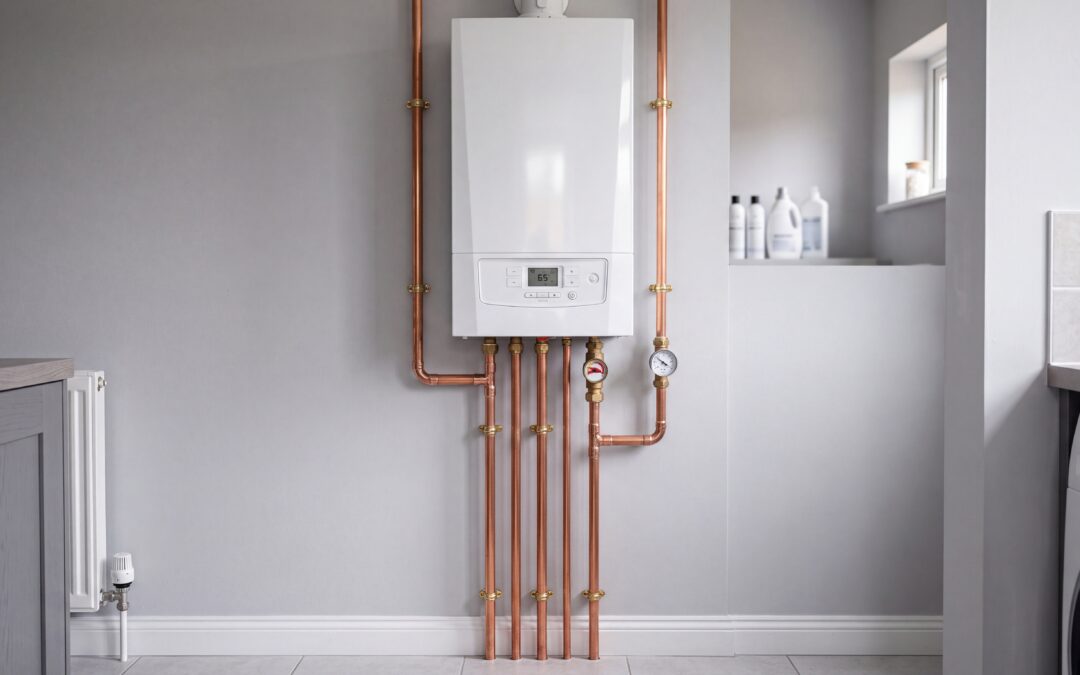
Pros: Seasonal efficiencies above 90%, compact footprints, wide turndown ratios for stable low‑load operation, attractive warranties (up to 10 years on certain brands such as Worcester‑Bosch, Vaillant, Ideal and Baxi when installed and maintained to specification).
Considerations: True condensing requires low return temperatures; system design (emitters, mixing, weather compensation) must support this. Flue materials, condensate drainage and water quality need careful attention. Commissioning and ongoing combustion analysis are essential to sustain savings. -
Heat pumps (air‑source or water‑source):
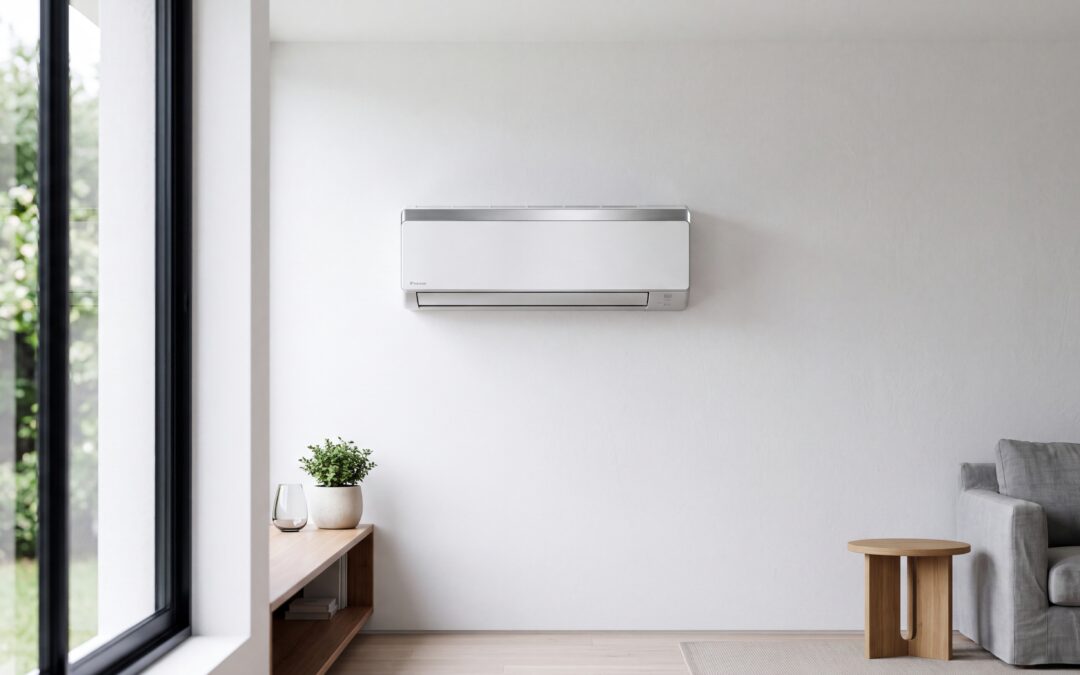
Pros: Lower carbon intensity, potential operating cost benefits depending on tariffs and control, excellent fit for low‑temperature heating circuits and DHW pre‑heat. Modular arrays improve resilience and staging.
Considerations: Electrical capacity, external space, acoustic requirements, and integration with existing emitters must be evaluated. Flow temperatures are typically lower than legacy boilers; hybridisation or emitter upgrades may be required for peak conditions. -
Hybrid systems (boilers + heat pumps):
Pros: Pragmatic decarbonisation path. Heat pumps cover base loads efficiently; boilers handle peaks and fast response. Provides resilience and operational flexibility while phasing capital investment.
Considerations: Controls must be correctly configured to optimise changeover points based on temperature, tariff and carbon factors. Slightly higher initial complexity is repaid with long‑term performance.
Optimise controls and distribution
-
Smart controls and BMS: Modern sequencing, weather compensation and load‑based optimisation cut waste and smooth operation. Integration with metering, trend logs and alarms enables condition‑based maintenance and rapid fault isolation. Even without a full BMS, thoughtfully configured smart controllers on boilers, pumps and zone valves deliver meaningful gains.
-
Variable‑speed pumping: Replace fixed‑speed pumps with inverter‑driven units and implement differential pressure control. This reduces electrical consumption and eliminates over‑pumping, improving comfort and lowering noise.
-
Zoning and occupancy: Segment your building logically so that unoccupied areas are not conditioned unnecessarily. Use occupancy schedules and sensors to drive setpoints and plant staging.
-
Weather compensation: Lower flow temperatures automatically as outdoor temperatures rise to keep boilers condensing, heat pumps efficient and occupants comfortable.
Protect your investment with water quality management
New boilers, heat exchangers, pumps and valves are vulnerable to magnetite and corrosion by‑products from legacy systems. Before connecting new plant, commission professional cleaning and treatment. Depending on condition, this may include power flushing, side‑stream filtration, magnetic filtration and dosing with appropriate inhibitors. Routine sampling and corrective dosing thereafter preserve efficiency and component life. Industry guidance (for example, pre‑commission cleaning and closed‑system water treatment standards) sets out best practice; your installer should implement and document a compliant regime.
Plan phased works to minimise downtime
-
Temporary plant: Containerised boilers, heat pumps or chillers can maintain service while permanent equipment is installed and commissioned. This is particularly valuable for hospitality and healthcare settings that cannot tolerate outages.
-
Out‑of‑hours changeovers: Night or weekend cut‑ins, with careful pre‑fabrication of headers and skids, minimise disruption. Pre‑tested control panels and staged commissioning reduce risk.
-
Parallel installation: Where space allows, install new plant in parallel, prove performance, then decommission obsolete equipment. Provide isolation valves, spool pieces and adequate test points.
-
Communication and method statements: Ensure clear phasing plans, risk assessments and method statements are agreed with stakeholders. Communicate outages early and provide contingency plans.
Ensure redundancy and compliance for critical operations
-
Redundancy: Adopt duty/standby or N+1 strategies for boilers, pumps and controls in mission‑critical areas. Provide UPS support for control systems to ride through short power disturbances.
-
Compliance and safety: Use Gas Safe registered engineers for all gas work, and ensure gas safety certification is current. Verify electrical works comply with applicable wiring standards. Maintain F‑Gas records for refrigerant systems and manage legionella risk in hot water systems. Pressure systems require appropriate written schemes of examination.
Create a lifecycle maintenance and monitoring plan
-
Planned servicing: Align warranty conditions and manufacturer schedules with your operational needs. Annual servicing with combustion analysis for boilers, seasonal checks for heat pumps and routine pump and valve inspections are minimum standards.
-
Water quality regime: Maintain inhibitor levels, check pH and conductivity, clean filters and magnets, and record corrective actions.
-
Monitoring and continuous optimisation: Use BMS or connected controllers to track performance, detect drift and schedule proactive interventions. Trend boiler return temperatures to confirm condensing operation; track pump speeds against load; set alarms for abnormal energy use.
-
Spares and documentation: Keep critical spares on site, maintain accurate as‑built drawings and O&M manuals, and train site teams in basic fault finding and escalation.
A practical checklist for facilities managers in Essex
-
Conduct an energy and asset survey: Catalogue plant condition, capacities, control strategies, water quality and recent failure history. Capture utility data and occupant feedback.
-
Prioritise quick‑win reliability fixes: Address failing controls, dead actuators, seized valves, sensor calibration, water leaks and insulation gaps. Fit variable‑speed drives where straightforward, implement weather compensation, and correct poor scheduling.
-
Map a staged upgrade with realistic timescales and budgets: Decide on condensing boilers, heat pumps or hybrids based on load profiles, tariffs, carbon targets and building constraints. Include temporary plant, out‑of‑hours works and commissioning windows. Build in redundancy and allow time for controls integration and training.
-
Set up servicing and monitoring to lock in savings and reliability: Put in place a maintenance plan covering gas safety certification, combustion analysis, water treatment checks and seasonal optimisation. Enable remote monitoring or BMS trending to verify performance and catch issues early.
Brentwood Heating Ltd, operated by Lewis Trembling, supports commercial property managers and busy owners across Brentwood and the wider Essex region—from Upminster and Hornchurch to Southend—with end‑to‑end delivery: energy and asset surveys, design and specification, installation and commissioning, water treatment and power flushing, and ongoing servicing. Our engineers are Gas Safe registered, we work with leading boiler brands including Worcester‑Bosch, Vaillant, Ideal and Baxi, and we can tailor solutions to your site and budget, including hybrid systems and advanced controls. For certain boilers we can offer guarantees of up to 10 years when installed and maintained to specification. We provide 24/7 emergency support and plan works to minimise downtime through temporary plant and out‑of‑hours changeovers. If you are considering modernising your plant, we can help you create a clear, phased plan that delivers reliability, comfort, lower running costs and a credible pathway to decarbonisation.