Summer is the most efficient and least disruptive window to get essential property maintenance done. With milder weather, longer daylight hours, and greater contractor availability, you can address issues proactively instead of reacting to breakdowns when temperatures drop. For landlords, this means fewer emergency call-outs, better budget control, happier tenants, and stronger asset protection.
Key advantages of a summer-first approach:
- Prevent winter breakdowns: Heating faults, burst pipes, blocked gutters, and roof leaks are far easier to fix before the first frost. Early action lowers the risk of costly damage and tenant complaints when demand peaks.
- Maintain compliance and safety: Gas safety checks and smoke/CO alarm testing are statutory obligations. Scheduling them in summer provides a buffer for any remedial work.
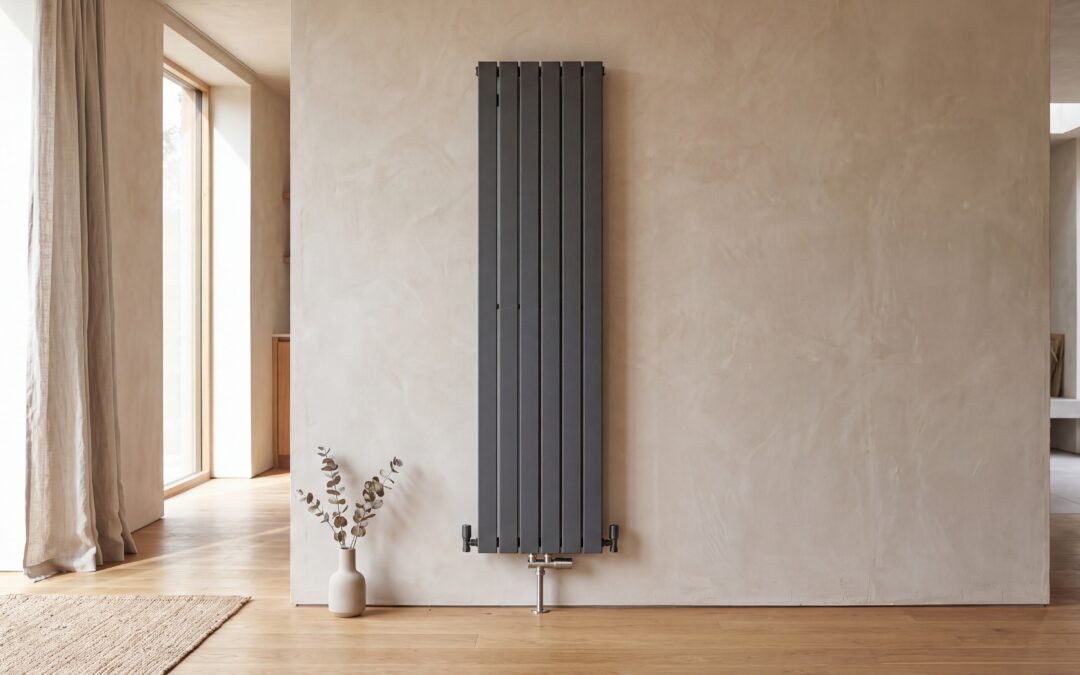
- Improve energy efficiency: A well-serviced boiler, balanced radiators, and draught-proofed windows help tenants keep warm for less—supporting retention and reducing wear on systems.
- Minimise disruption: Tenants are more accommodating during warm months when temporary heating downtime or minor access is less intrusive.
- Preserve long-term value: Proactive maintenance protects roofs, pipework, and heating infrastructure, extending service life and avoiding capital surprises.
Brentwood Heating Ltd supports landlords across Brentwood and Essex (including Upminster, Hornchurch, and Southend) with a transparent, hassle-free service. All engineers are Gas Safe registered, response times are fast—including 24/7 emergency cover—and we work across leading boiler brands such as Worcester-Bosch, Vaillant, Ideal, and Baxi. Tailored quotes ensure sensible costs without compromising quality, and selected new boilers can carry guarantees of up to 10 years.
Your summer checklist: the essential property maintenance plan
1) Annual boiler and heating system service
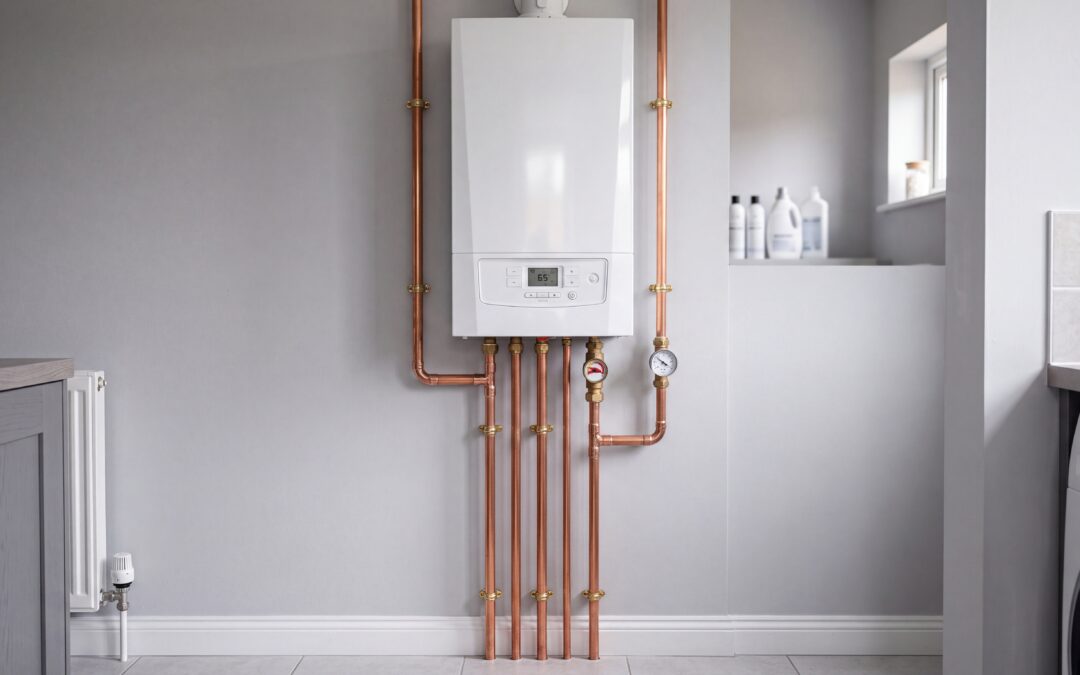
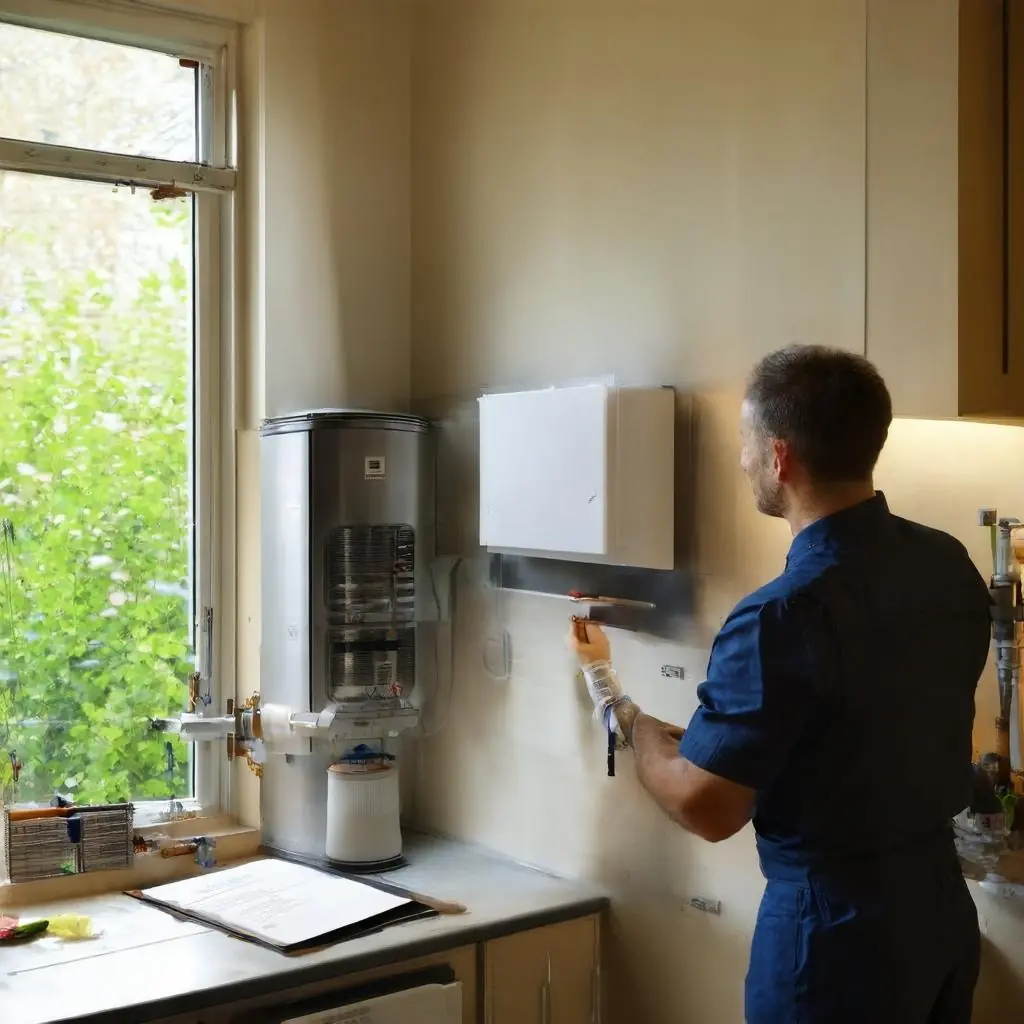
Commission a comprehensive service by a Gas Safe registered engineer well before heating season. This should include combustion analysis, safety checks, cleaning of key components, verification of flue integrity, and efficiency optimisation. Ensure the Benchmark log is up to date and that any advisories are resolved.
- Consider lifecycle planning: if the boiler is older, discuss repair-versus-replace options and available manufacturer guarantees. Brentwood Heating installs Worcester-Bosch, Vaillant, Ideal, and Baxi systems to suit varied budgets and property types, with attractive warranty options.
- Radiator performance: ask for system balancing so every room heats evenly, reducing tenant complaints and energy waste.
2) System water quality and protection
Poor water quality is a leading cause of boiler and component failure. In summer, when the system can be offline briefly without inconvenience:
- Test system water; if sludge is significant, consider a power flush to restore flow and efficiency.
- Top up corrosion inhibitor and check the magnetic filter (if fitted).
- Inspect expansion vessels, pressure relief valves, and visible pipework for early signs of failure.
3) Leak checks and pipework preparedness
- Visually inspect accessible pipework, valves, and joints for corrosion, verdigris, drips, or staining on walls/ceilings.
- Verify that stopcocks and isolation valves operate freely.
- Lag exposed pipes in lofts, garages, and voids to guard against freezing later.
4) Radiators, valves, and controls
- Bleed radiators and replace or free up sticky TRVs where necessary.
- Test the programmer, room thermostat, and cylinder thermostat (if applicable). Consider upgrading to smart controls for better comfort and lower bills—often a modest investment with noticeable tenant benefits.
5) Gas safety certification and alarms
- Gas safety: Arrange the annual Landlord Gas Safety Record (CP12) for every rented property with gas appliances, as required by the Gas Safety (Installation and Use) Regulations. Only Gas Safe registered engineers may carry out this work.
- Smoke and CO alarms: Test, clean, and replace batteries where applicable. In England, landlords must fit smoke alarms on each storey and carbon monoxide alarms in any room with a fixed combustion appliance (excluding gas cookers). Replace units nearing end of life and keep a record of tests.
- Ventilation: Confirm that vents and air bricks serving combustion appliances are unobstructed.
6) Drains, gutters, and downpipes
- Clear gutters, hoppers, and downpipes of leaves and debris; ensure water runs freely and away from the building. Blocked rainwater goods are a major cause of damp and winter ingress.
- Clean and test external gullies; flush slow-flowing sinks and baths; and treat minor build-ups before they become blockages.
- Toilets: confirm that flush mechanisms and fills are reliable. Brentwood Heating also provides rapid response for blocked toilets and drain issues should they arise.
7) Roof, doors, and windows
- Roof: from the ground or via a professional, check for slipped or cracked tiles, damaged flashing, and moss build-up. Address issues early to avoid storm-time leaks.
- Loft: look for daylight under the eaves, water staining, or damp insulation.
- Doors and windows: test seals, handles, and locks; adjust hinges and replace worn weather stripping to reduce draughts and condensation risk. Proper draught-proofing cuts heating demand and improves comfort.
8) Bathrooms, kitchens, and ventilation
- Re-seal around baths, showers, and sinks where silicone has perished; re-grout cracked tiles to prevent water ingress.
- Check extractor fans in kitchens and bathrooms for adequate airflow; clean grilles and replace failing fans to combat condensation and mould.
- Inspect traps and under-sink plumbing for slow leaks; tighten or replace washers as needed.
9) External areas and building fabric
- Paths, steps, and lighting: repair trip hazards and check exterior lighting ahead of darker evenings.
- Fences, gates, and outbuildings: secure and repair to reduce wind damage risk.
- Garden maintenance: cut back vegetation touching walls or gutters; keep air bricks clear for adequate ventilation.
- Outside taps: fit insulated covers and verify isolation valves function, so they can be shut off in freezing weather.
10) Insulation and efficiency upgrades
- Review loft insulation depth, cylinder insulation (if you have a hot-water tank), and pipe insulation in unheated spaces.
- Consider high-efficiency boiler replacements where appropriate, and discuss add-ons like weather compensation or smart zoning to lower running costs.
11) Documentation, communication, and scheduling
- Keep a maintenance log: service reports, water quality results, alarm test dates, and guarantee paperwork. This record supports compliance, insurance claims, and re-letting.
- Give tenants advance notice of planned visits, and share simple winter-ready tips (e.g., how to set the timer, how to report leaks, and where the stopcock is). Educated tenants help protect your asset.
- Pre-book your autumn “turn-on” check if your property is routinely vacant or student-let, ensuring heating is operational before occupancy.
How Brentwood Heating can help
- Comprehensive services: boiler repair, servicing, and installation; central heating installation and repairs; general plumbing; power flushing; bathroom design and installation; gas safety certification; blocked toilet solutions; and 24/7 emergency call-outs.
- Expert, reliable delivery: every engineer is Gas Safe registered; workmanship is tidy and respectful; response is fast; communication is clear from quote to completion.
- Tailored, cost-effective options: we work with all major boiler brands and different budgets, and can advise on guarantees of up to 10 years on selected new boilers.
- Local coverage: Brentwood and the wider Essex area, including Upminster, Hornchurch, and Southend.
Take advantage of the summer window to get ahead of winter. To arrange your landlord service bundle—combining annual boiler servicing, gas safety certification, system health checks, and preventative plumbing maintenance—contact Brentwood Heating Ltd for a tailored quote. Proactive care now means fewer surprises later, better tenant satisfaction, and long-term protection of your property’s value.