As temperatures drop across Brentwood, Upminster, Hornchurch, Southend and the wider Essex area, a concise, preventive plan will save time, reduce unexpected costs, and keep occupants comfortable. The following checklist is designed for quick execution and clear delegation—equally suitable for family homes and multi-site property portfolios.
1) Annual Gas Safe boiler service (book for early autumn)
- Why: Prevent breakdowns, validate manufacturer warranties, confirm safe combustion, and catch inefficiencies early.
- What your Gas Safe engineer should do: Visual inspection and flue checks; combustion analysis; heat exchanger, burner and seal checks; gas rate and operating pressure checks; condensate trap/pipe inspection; system water quality review; ventilation and safety device testing; documentation.
- Tip for managers: Align service visits with Gas Safety Record renewals where applicable to minimise site downtime.
- Brands we work with: Worcester-Bosch, Vaillant, Ideal and Baxi—each has specific service schedules and parts; an accredited installer can secure extended warranties (often up to 10 years on selected models).
2) Signs you need a system power flush
- Cold spots in radiators (especially at the bottom or centre).
- Radiators heat slowly or require frequent bleeding.
- Discoloured or sludgy water when bleeding.
- Noisy boiler or pump, repeated lockouts, or poor hot-water performance.
- Magnetic filter collecting excessive debris.
- When to act: Before a new boiler is installed (often required to protect warranty), or when multiple symptoms appear across the system. Combine with inhibitor dosing and consider adding or servicing a magnetic filter.
3) Radiator bleeding and balancing
- Bleeding: Release trapped air that causes gurgling and cold tops. Use a radiator key, protect floors, and close the valve as soon as water appears. Check boiler pressure afterwards and top up via the filling loop (typically to 1.0–1.5 bar when cold). If unsure, arrange a professional visit.
- Balancing: Ensures heat is distributed evenly so rooms warm up together. Engineers will adjust lockshield valves to set correct flow through each radiator, often after measuring temperature drops. Balancing improves comfort and reduces boiler cycling.
4) Carbon monoxide (CO) alarm testing
- Weekly test using the built-in button; replace batteries as needed.
- Ensure alarms are located per manufacturer guidance and not obstructed.
- Replace units at the end of their service life (often 7–10 years; check the expiry date).
- If an alarm sounds or you suspect a gas/carbon monoxide issue: ventilate where safe, move occupants to fresh air, and contact a Gas Safe engineer. If you smell gas or suspect a leak, call the National Gas Emergency Service on 0800 111 999 immediately.
5) Pipe lagging and freeze protection
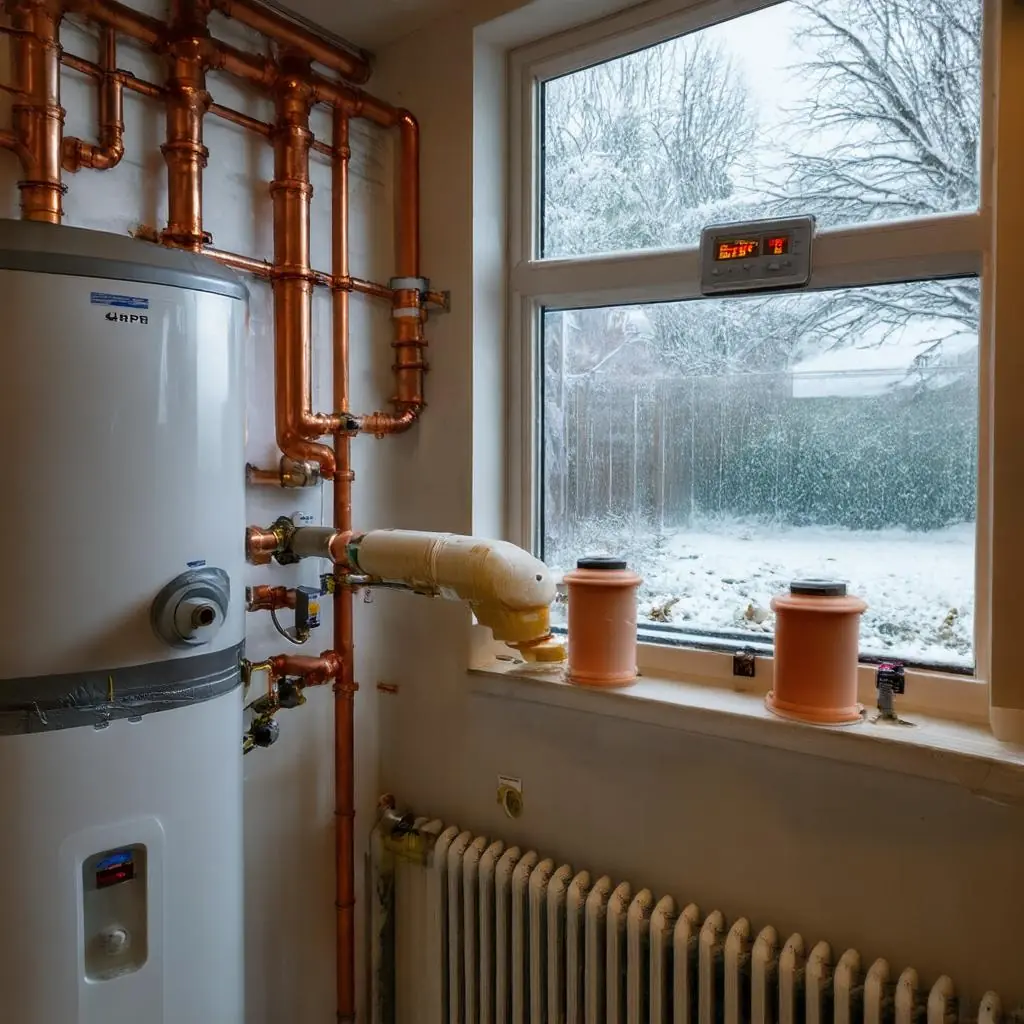
- Insulate exposed pipework in lofts, garages, external runs, and plant rooms; include hot water cylinders and cold-water storage tanks.
- Protect boiler condensate pipes: external sections should be upsized and lagged to reduce freezing risk.
- For vulnerable sites, consider trace heating and frost-stat checks.
- After insulating, confirm that access to valves and drain points remains clear.
6) Control and thermostat optimisation
- Set heating schedules aligned to occupancy; avoid manual overrides becoming the default.
- Reduce boiler flow temperature to maximise condensing efficiency (many systems perform well between 50–60°C for space heating if radiators are appropriately sized; consult an engineer for your property).
- Check TRVs for responsiveness; repair or replace stuck valves.
- Consider weather or load compensation controls (OpenTherm-compatible where suitable) and smart thermostats for zoning and remote management—especially beneficial for commercial and multi-occupancy buildings.
- Verify correct placement of room thermostats away from draughts, sunlight, or heat sources.
7) Water quality and limescale management
- Dose inhibitor after any drain-down or flush.
- Clean or fit a magnetic filter and schedule annual maintenance.
- In hard-water areas across Essex, consider a scale reducer or water softening solution to protect plate heat exchangers and fixtures.
8) Documentation and access readiness
- Keep appliance manuals, warranty papers, service history, and serial numbers accessible.
- Label the gas meter, electrical isolation spur, stopcock, and drain-off points.
- Provide clear access to boilers, cylinders and plant rooms; declutter cupboards and ensure safe, stable platforms for high-level equipment.
- For managed sites: maintain a concise asset register (make, model, serial, location, last service date, warranty expiry).
9) 24/7 emergency preparedness
- Save Brentwood Heating’s emergency contact details and your tenancy/site reference numbers.
- Note typical fault codes for your model (Worcester-Bosch, Vaillant, Ideal, Baxi) and photograph boiler labels for quick reference.
- Keep spare batteries for CO and smoke alarms, and a torch accessible.
- For large sites, prepare an out-of-hours site guide: keyholder list, access instructions, plant locations, RAMS/permits requirements, and any induction controls.
10) Compliance reminders for commercial sites and landlords
- Gas Safety (Installation and Use) Regulations require annual checks by a Gas Safe engineer; keep records for at least two years.
- Provide CO alarms in rooms with a fixed combustion appliance, and test at the start of each new tenancy (and regularly thereafter).
- Maintain safe hot water temperatures and consider TMV testing where scald prevention is required.
- Keep plant rooms clear, ventilated, and compliant with signage and access controls.
Making the right decisions: repair vs. replace, budgets, warranties, and a simple Essex scheduling template
A well-timed decision can pay for itself in lower running costs and fewer call-outs. The following guidance will help you choose the most cost-effective route and plan your works smoothly.
Repair versus replacement across Worcester-Bosch, Vaillant, Ideal and Baxi
- Age and efficiency: If a boiler is 10–15 years old, a modern A-rated condensing replacement may deliver notable efficiency gains, quieter operation and better controls integration.
- Reliability and parts: Repeated breakdowns, obsolete components, or corrosion damage tip the balance toward replacement.
- Repair cost threshold: When the repair estimate approaches a substantial portion of a new installation cost (especially on older appliances), replacement often makes long-term sense.
- System condition: If the wider system is severely sludged or undersized for demand, combine remedial work (power flush, radiator upgrades, balancing) with boiler replacement to protect your investment and warranty.
- Property use: For critical commercial operations or care environments, prioritise resilience—consider cascade or backup solutions and remote monitoring to minimise downtime.
Aligning choices with budgets and warranties
- Entry-level to premium: Each brand offers models to suit different budgets; a tailored survey will match heat load, hot-water demand, and controls to your goals.
- Extended guarantees: When installed and commissioned by accredited engineers, selected boilers from Worcester-Bosch, Vaillant, Ideal and Baxi can carry manufacturer-backed guarantees up to 10 years. Ask about what is covered, service requirements, and any conditions (e.g., system cleanliness and filters).
- Whole-life cost focus: Include installation quality, water treatment, filter maintenance, controls optimisation, and fuel savings in your decision—not just the purchase price.
- Staged upgrades: If budgets are tight, prioritise high-impact steps first (service, balancing, inhibitor, TRV fixes, control optimisation), then plan for boiler or cylinder replacement on a defined timeline.
A simple winter scheduling template for Brentwood, Upminster, Hornchurch, Southend and wider Essex
- Week 1 (early autumn):
- Book your annual Gas Safe service and gas safety check (where required).
- Request a water quality test and filter inspection.
- Audit CO and smoke alarms; order replacements if nearing expiry.
- Week 2:
- Bleed and, if needed, professionally balance radiators.
- Lag vulnerable pipes, cylinders, and tanks; address external condensate pipe protection.
- Update documentation: serials, warranties, manuals, asset register.
- Week 3:
- Controls review: set schedules, adjust flow temperature, check TRVs, consider smart or compensating controls.
- Decide on any remedial works (power flush, valve replacements, pump upgrades).
- For managed sites: collate compliance dates, confirm keyholder and access details.
- Week 4:
- Implement agreed repairs or replacements.
- Confirm inhibitor dosing and filter cleaning post-works.
- Final test run of heating and hot water; verify room-by-room performance.
- Ongoing (monthly through winter):
- Test CO alarms, visually check pressure and system status, clear ventilation and intake grills, and review energy use.
- Revisit schedules after any occupancy or operating changes.
What to prepare for a 24/7 call-out
- Clear description of the fault (symptoms, error codes, what changed recently).
- Make, model and approximate age of the boiler and key components.
- Photos of the installation (boiler front, flue termination outside, cylinder/plant area).
- Confirmation of safe access (parking, codes, alarms) and a designated on-site contact.
- Any known site hazards and isolation points (gas, water, electrical).
Commercial and multi-site tips to stay efficient and compliant
- Cluster visits: Group properties in Brentwood, Upminster, Hornchurch and Southend to reduce travel time and disruption—ideal for portfolio managers.
- Standardise spares: Keep common TRVs, actuators and batteries in stock where appropriate; maintain a site-specific spares list.
- Monitor performance: Log recurring faults and response times; consider smart monitoring for early fault detection.
- Seasonal handover: Complete a pre-winter sign-off checklist after works, confirming flow temperatures, zone operation, and documentation updates.
- Review contracts: Ensure your maintenance agreement covers 24/7 emergencies, priority response, and statutory checks.
How Brentwood Heating supports you
- Rapid response: 24/7 emergency cover across Essex with clear, transparent communication.
- Certified expertise: All engineers Gas Safe registered; experienced with Worcester-Bosch, Vaillant, Ideal and Baxi.
- Tailored solutions: From budget-sensitive fixes to premium high-efficiency upgrades, with access to attractive manufacturer guarantees (often up to 10 years on selected models).
- Hassle-free delivery: Respectful, tidy work practices; clear timelines; and a single point of contact for domestic and commercial needs.
Next steps
- If you have not booked your annual service, schedule it now to secure pre-winter dates.
- If you are noticing any power-flush indicators, arrange a water quality check.
- Use the four-week template above to sequence tasks, and keep a short emergency brief ready for out-of-hours events.
A small amount of preparation now will keep your property warm, compliant and efficient through winter, and it will reduce the likelihood of costly downtime when you need heating most.