Time is tight when cold snaps hit Essex. Use this concise, sequenced checklist to prepare your systems once—and avoid firefighting all winter. Where tasks involve gas work or sealed systems, always use a Gas Safe registered engineer.
-
Book your annual boiler service (Gas Safe essentials)
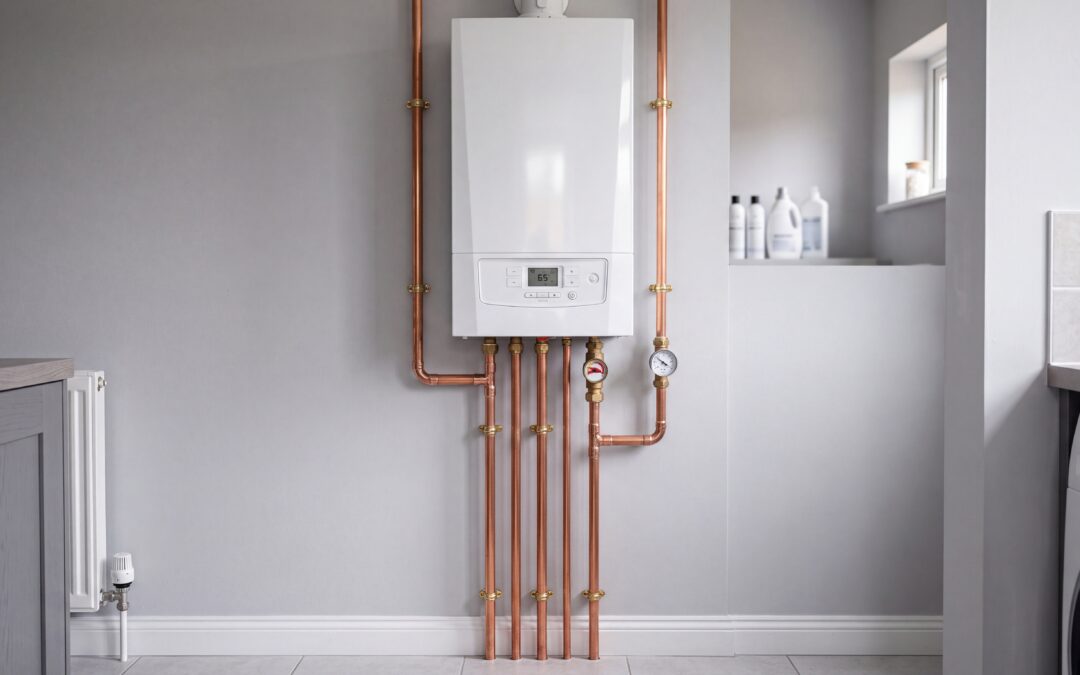
- Domestic and commercial: Arrange service before peak demand. A compliant service should include combustion analysis, burner and heat‑exchanger inspection, safety device checks, flue integrity and ventilation checks, system water quality sampling, and confirmation of correct gas rate/pressures.
- Gas Safe only: Any work on gas appliances and flues must be completed by a Gas Safe registered engineer. Brentwood Heating’s engineers are fully registered and operate across Brentwood and the wider Essex area, including Upminster, Hornchurch and Southend.
- Carbon monoxide safety: Test CO alarms, confirm correct placement near sleeping areas and plant rooms, and replace batteries where required.
-
Landlord and managing agent compliance
- Gas Safety record (CP12): Arrange annual gas safety checks for each rental property/plant room and issue records to tenants within the required timeframes. Retain records for at least two years. Align renewals across your portfolio to reduce admin.
- Appliance access: Confirm with tenants and site teams that plant rooms and internal meters will be accessible on the visit date. For HMOs and commercial sites, verify permit and lock‑off procedures are in place.
-
Radiators: bleed and balance for even heat and lower bills
- Bleeding: If radiators have cool tops or gurgling sounds, release trapped air with a radiator key. Protect floors, open the bleed valve slowly, then retighten when water appears. Recheck boiler pressure afterwards (see “Pressure” below).
- Balancing: If some rooms overheat while others lag, adjust lockshield valves to deliver the right flow to each radiator. Aim for a consistent temperature drop across radiators (typically 10–20°C). A properly balanced system shortens warm‑up time and improves boiler efficiency.
-
Pressure checks and inhibitor top‑ups
- System pressure: For most sealed domestic systems, target 1.0–1.5 bar when cold (commercial plant will have site‑specific setpoints). Top up via the filling loop if low; if pressure drops repeatedly, investigate for leaks or expansion vessel issues rather than continually topping up.
- Corrosion inhibitor: Essex’s water can be aggressive on steel radiators and mixed‑metal systems. Test inhibitor levels with a dip strip and dose to manufacturer guidance. Consider fitting or checking a magnetic filter; clean collected sludge at service.
-
Power flushing and descaling: know when your system needs it
- Common warning signs: Cold spots in the centre of radiators, discoloured system water, frequent venting, noisy pumps/boiler kettling, or slow heat‑up. In Essex’s hard‑water areas, limescale buildup can also restrict plate heat exchangers, causing hot‑water temperature fluctuations.
- Remedies: A targeted power flush restores flow and efficiency in sludged systems; a chemical clean or descaling is more appropriate for limescale‑affected components. Your engineer will advise the correct method and whether any radiators or valves should be replaced concurrently.
-
Smart controls and scheduling (homes and BMS‑enabled sites)
- Homes and small sites: Set up load or weather‑compensating controls to lower flow temperatures automatically while maintaining comfort. Use geofencing or occupancy modes to avoid heating empty buildings. Program realistic schedules for weekdays/weekends; avoid constant “boost” habits.
- Commercial/BMS: Confirm time schedules for core hours, holidays and shutdowns. Verify sensor calibration, valve and actuator operation, and that frost and high‑limit alarms report correctly. Review night‑setback and optimum start/stop so spaces are warm when needed without preheating too early.
- Zoning and TRVs: Ensure room thermostats and TRVs are functional and labelled. In larger properties, review zoning so high‑occupancy areas are prioritised and rarely used zones are trimmed back.
-
Frost protection: prevent freeze‑ups and nuisance lockouts
- Boiler frost modes: Confirm frost protection is enabled, especially for garages, lofts and outbuildings. Maintain minimum setpoints in vulnerable spaces.
- Pipework and condensate: Insulate exposed heating pipes and hot‑water recirculation lines in lofts and plant rooms. Where possible, route condensate pipes internally; if external, use 32 mm pipework with continuous fall and weatherproof insulation. Trace heating can be fitted on high‑risk runs.
- Vacant periods: For unoccupied properties or holiday closures, maintain low background heat and ensure BMS alarms are monitored.
-
Plant room essentials (commercial and larger residential blocks)
- Visual inspection: Check for leaks, corrosion, unusual noise or vibration. Confirm clear access and housekeeping—no storage in plant rooms.
- Pumps and strainers: Clean strainers, verify pump operation and seals. Check automatic air vents and dirt separators are not blocked.
- Expansion vessels and safety: Have pre‑charge and relief valves tested by a competent engineer. Verify flue dilution and combustion air paths are unobstructed.
- Documentation: Keep O&M manuals, schematics and valve/tag registers at hand. Ensure BMS graphics and naming match the physical plant.
-
Efficiency quick wins to lock in savings
- Lower flow temperatures: Condensing boilers are most efficient with lower return temperatures. With competent setup and adequately sized radiators, many homes can run 55–60°C flow in mild weather, rising only during cold snaps.
- Cylinder and pipe insulation: Fit jackets to hot‑water cylinders and insulate primary pipework to cut standing losses.
- Filter maintenance: Clean magnetic filters and strainers at service; fit a system filter if none exists.
-
Spares, sensors and site read‑outs
- Keep a small stock of approved TRV heads, room sensors and batteries to avoid downtime.
- Confirm your team has remote access to smart controls/BMS with correct permissions. For multi‑site portfolios, standardise naming conventions and schedules.
-
Plan the calendar
- Aim for servicing and major works between late summer and early autumn. For commercial and rental portfolios, batch property visits geographically (e.g., Brentwood, Upminster, Hornchurch, Southend) to cut travel time.
- Reserve limited‑availability slots (e.g., plant shutdowns) early. Keep a shared record of system pressures, inhibitor tests, filter cleans and remedial actions so nothing is missed in peak season.
-
When to call for 24/7 help
- Gas smell, suspected CO incident, no heat/hot water for vulnerable occupants, visible leaks near electrical components, frozen condensate with repeated lockouts, or plant room alarms out of hours. Brentwood Heating provides rapid, round‑the‑clock emergency support across Essex, with transparent communication and tidy, respectful work practices.
Repair versus replace: a fast decision framework with brand options
If your boiler or central plant is unreliable as winter approaches, use this simple, time‑saving framework to decide on next steps.
-
Age and efficiency
- Under 8–10 years, well‑maintained, A‑rated: Repair is often the fastest, most economical route.
- Over 12–15 years, frequent faults, G‑ to C‑rated: A planned replacement typically pays back through efficiency, reliability and reduced call‑outs.
-
Fault frequency and parts availability
- One‑off faults with readily available parts favour repair.
- Repeated breakdowns, obsolete parts, or major component failures (e.g., heat exchanger on an older unit) often justify replacement.
-
System condition and water quality
- Clean systems with good inhibitor levels support effective repair.
- Heavy sludge, recurring pump or valve failures, or evidence of limescale may warrant combined system remediation and boiler upgrade.
-
Property needs and capacity
- Changes in occupancy, hot‑water demand, or zoning may make a like‑for‑like swap suboptimal. Consider whether a system, regular or combi boiler—and cylinder size—still fit the brief.
-
Running costs and carbon goals
- If energy costs or decarbonisation targets are priorities, a modern condensing boiler with smart/load compensation and lower flow temperatures will cut consumption significantly compared to legacy models.
-
Brand options with long guarantees
- Worcester‑Bosch, Vaillant, Ideal and Baxi each offer strong domestic and light‑commercial ranges with robust aftersales support. When installed by accredited engineers, selected models can carry long manufacturer guarantees—often up to 10 years—providing predictable lifecycle costs. Brentwood Heating can advise on the best make, model and control strategy for your site, aligned to your budget.
- Domestic: High‑efficiency combi and system boilers with compact footprints, smart control compatibility and quiet operation.
- Commercial/light commercial: Cascaded wall‑hung or floor‑standing condensing boilers for redundancy and modulation, integrated with BMS.
-
Minimising downtime for busy schedules
- Survey and quote: Arrange a swift, no‑obligation survey to confirm sizing, flue routes and control strategy.
- Pre‑order and staging: Pre‑approve quotes, secure delivery slots and plan works outside trading hours or between tenancies.
- Make‑safe and temporary heat: For critical sites, discuss temporary heaters or staged plant to maintain service during changeover.
-
Handover and assurance
- Commissioning: Ensure benchmarking, combustion checks and control optimisation are completed and recorded.
- Documentation: Receive user guides, warranty registration and service schedule. Log BMS setpoints and graphics updates.
- Aftercare: Book the first annual service at install. Keep inhibitor levels and filters maintained to protect warranties and preserve efficiency.
Whether you oversee a single home in Brentwood or a portfolio across Essex, a disciplined pre‑winter check prevents most breakdowns and keeps energy spend under control. If you need a Gas Safe service, urgent repair or impartial advice on repair versus replacement—domestic or commercial—Brentwood Heating Ltd is ready to help, 24/7, with rapid responses, clear communication and workmanship you can rely on.