Recent headlines about well‑known venues closing for modern upgrades highlight a common dilemma: how do you renew heating and plumbing without unnecessary downtime? Whether you manage a busy commercial site or a family home, the keys are rigorous preparation, smart phasing, and disciplined commissioning. As a locally owned, Gas Safe registered team serving Brentwood, Upminster, Hornchurch, Southend and the wider Essex area, Brentwood Heating Ltd delivers projects that balance progress with continuity.
Pre‑project surveys and compliance
- Heat‑loss calculations: A room‑by‑room assessment is essential to size boilers or low‑carbon systems correctly, set realistic zoning strategies, and confirm radiator or underfloor outputs. Accurate heat‑loss data prevents oversizing, reduces cycling, and cuts running costs.
- Water quality and pressure checks: In hard‑water areas of Essex, scale and sludge are frequent culprits of inefficiency. Pre‑works sampling (hardness, pH, iron, conductivity) and static/dynamic pressure testing inform decisions about filtration, scale control, pump sizing, and pipework upgrades.
- Existing system condition: Visual and endoscopic inspections of pipework, radiators, cylinders, flues and pumps identify bottlenecks and risks. Thermal imaging can expose hidden underperformance. Mapping isolation valves and drain points is vital for phasing.
- Controls and electrical review: A quick assessment of existing programmers, thermostats, TRVs, wiring centres and interface protocols (e.g., OpenTherm) helps determine what can be retained or upgraded.
- Building compliance: Align plans with applicable regulations and guidance, such as Part L (fuel and power), Part G (sanitation, hot water), the Water Supply (Water Fittings) Regulations, and the Gas Safety (Installation and Use) Regulations. For landlords and commercial sites, ensure ongoing compliance with annual gas safety checks and water hygiene management, including Legionella controls where applicable.
System design that fits your building and budget
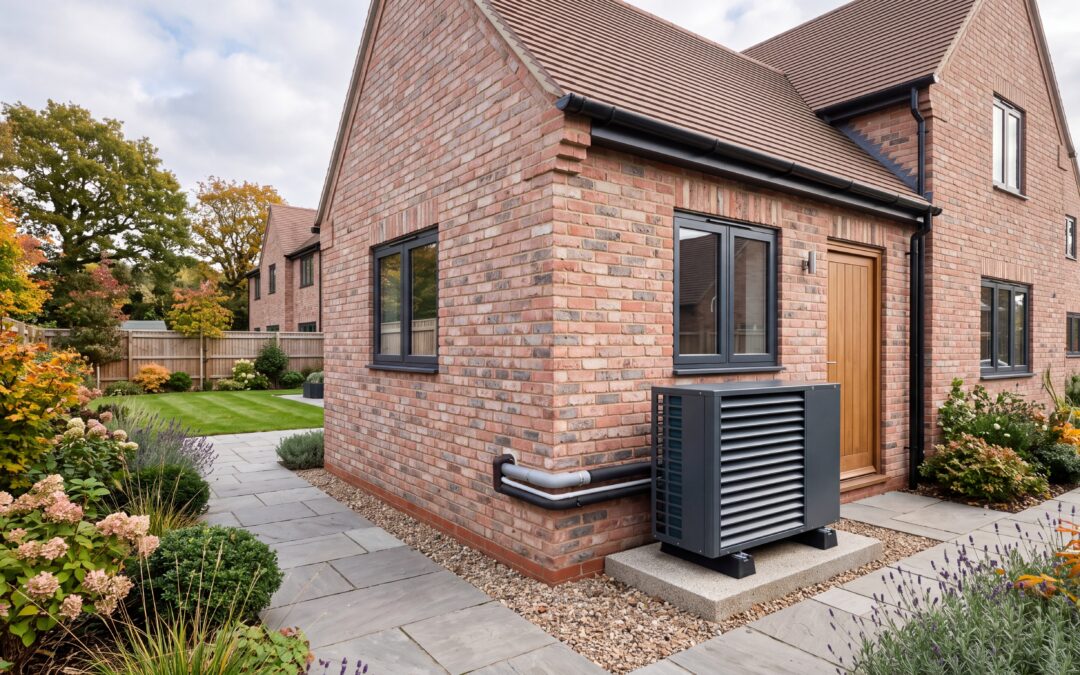
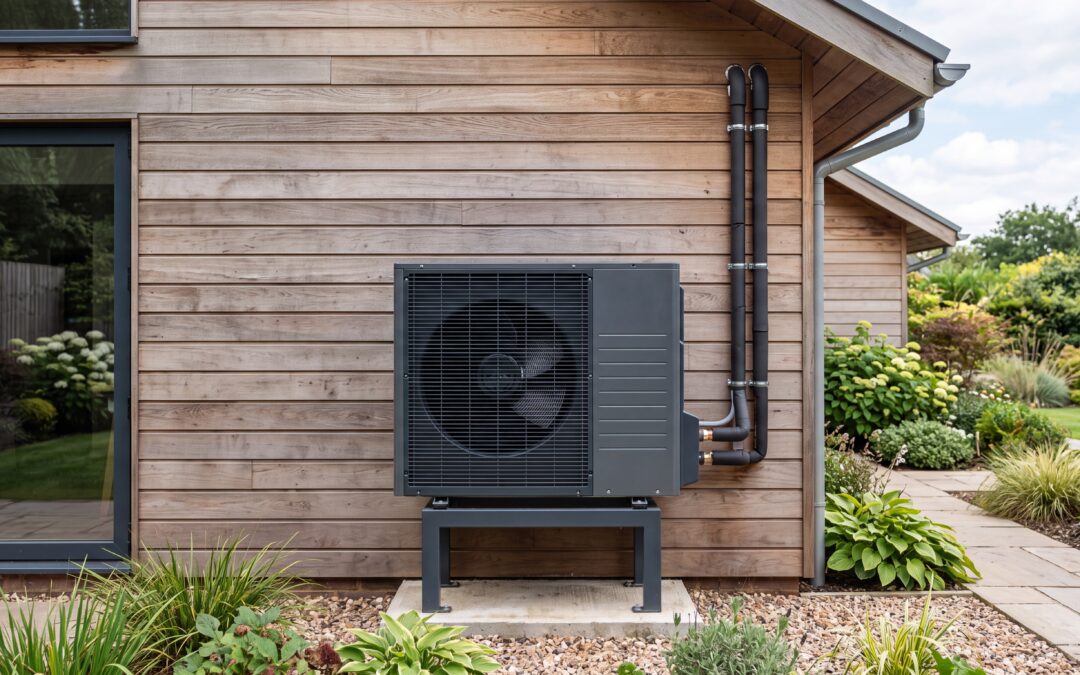
- Right‑sized heat source: For gas systems, modern condensing boilers from leading brands (Worcester‑Bosch, Vaillant, Ideal, Baxi) deliver high seasonal efficiencies when correctly sized and commissioned. Where appropriate, low‑carbon options such as heat pumps or hybrid systems may be evaluated based on fabric performance, electrical capacity and usage patterns.
- Zoning and distribution: Define sensible thermal zones to match occupancy. Combine room thermostats, TRVs and motorised valves (e.g., S‑Plan) with proper hydraulic balancing to ensure even heat and low return temperatures for optimal condensing.
- Smart controls: Weather and load compensation, occupancy scheduling, and internet‑connected controls allow fine‑tuning, remote monitoring, and energy reporting. For commercial buildings, consider BMS integration; for homes, choose robust, user‑friendly smart thermostats.
- Hot water strategy: Size cylinders for peak draw‑off, not just average use. In multi‑occupancy or commercial properties, specify recirculation loops and thermostatic mixing valves to deliver safe, immediate hot water while controlling Legionella risk and scalding.
- Fabric‑first improvements: Upgrades to insulation (lofts, cavities, roofs), airtightness, glazing, and draught‑proofing reduce the heat load and may allow smaller plant, fewer emitters, or lower flow temperatures—cutting bills and carbon. Address these before locking in plant capacity.
- Future‑proofing: Allow space and connections for later expansion (additional zones, secondary returns, future low‑temperature operation). Ensure flue routes, condensate disposal and electrical supplies are appropriately sized for your chosen path.
Phasing strategies to keep buildings usable
- Seasonal timing: Schedule major plant swaps for shoulder seasons to reduce reliance on heating and minimise user impact. For education and hospitality, align with holidays or planned closures.
- Temporary services: Maintain continuity with mobile boilers, temporary cylinders, electric immersions, or point‑of‑use heaters. Clearly define changeover windows and test temporary systems in advance.
- Weekend and night works: For commercial sites and busy households, high‑impact activities (drain downs, cutovers, core drilling) can be executed outside normal hours to limit disruption.
- Zoned isolations: Use existing isolation valves or install new ones early so sections can be upgraded and recommissioned progressively while the remainder stays operational.
- Clean work protocols: Dust control, floor protection, and tidy, respectful work practices reduce disruption and maintain safety in occupied environments—an expectation Brentwood Heating treats as standard.
Protecting systems for the long term
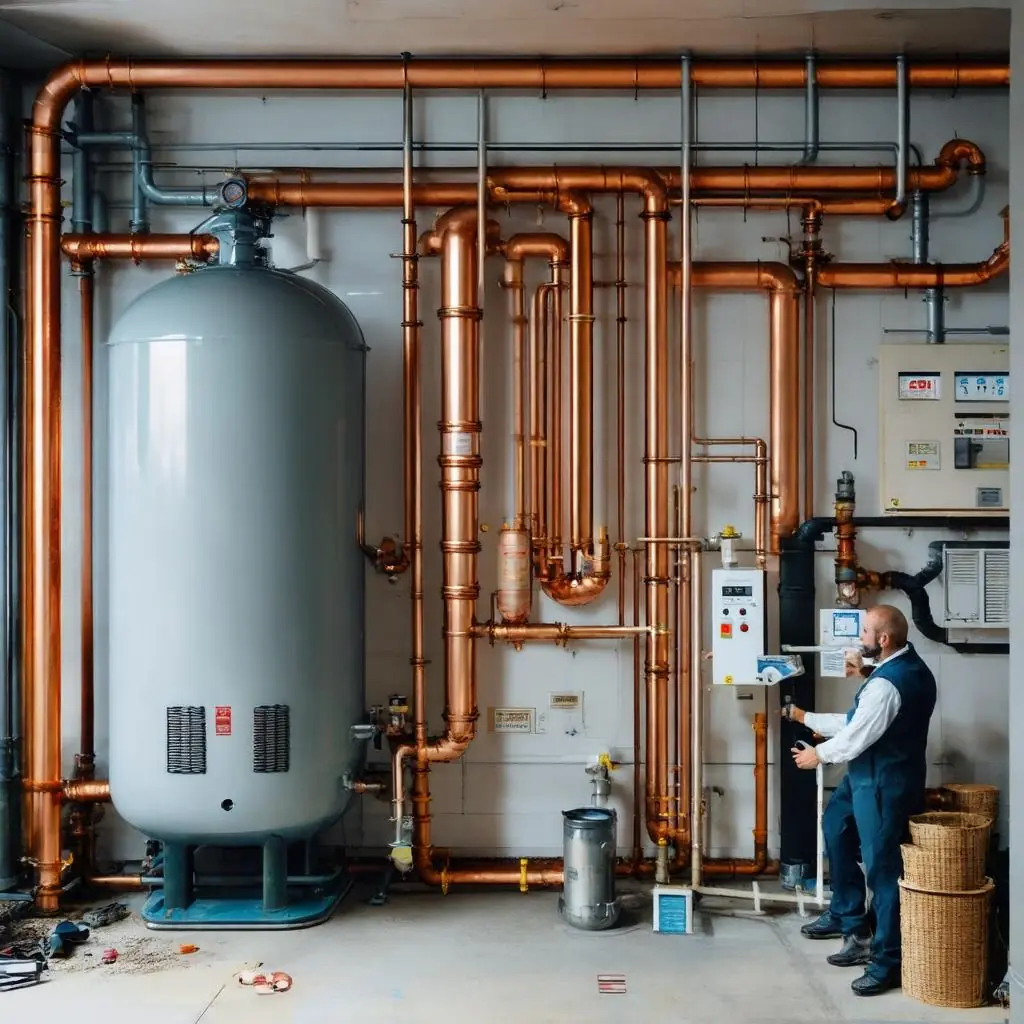
- Power flushing and cleaning: Before connecting new boilers or pumps to legacy pipework, remove sludge and magnetite via power flushing or mains pressure cleaning as appropriate. Neutralise chemicals and thoroughly rinse to protect seals and components.
- Filtration and air removal: Fit magnetic dirt separators, strainers, automatic air vents and deaerators on the return to safeguard high‑efficiency boilers and pumps from debris and entrained air.
- Water treatment: Dose systems with quality inhibitors formulated for mixed‑metal circuits; in hard‑water areas, add scale prevention. Verify inhibitor concentration at handover and log service intervals for re‑testing.
- Pressure and expansion management: Size and pre‑charge expansion vessels correctly; verify static pressure and relief valve operation after fill and purge to prevent nuisance lockouts.
Safety, commissioning and documentation
- Gas safety: Works must be carried out by Gas Safe registered engineers. Pre‑ and post‑works testing, tightness testing, flue integrity checks, combustion analysis and ventilation verification are non‑negotiable.
- Commissioning records: Complete Benchmark logbooks for boilers, record flow/return temperatures, pump settings, balancing figures, control set‑ups and water treatment certificates. Register warranties promptly to secure long‑term cover (many leading boilers carry up to 10‑year warranties when installed and serviced by approved engineers).
- Handover pack: Provide O&M manuals, schematics, serial numbers, filter maintenance instructions, and a service plan. For landlords and commercial sites, maintain up‑to‑date gas safety certificates and water hygiene documentation.
Budgeting beyond the headline price
- Total cost of ownership (TCO): Evaluate capital cost, projected energy use, maintenance, consumables (filters, chemicals), and expected lifespan. Factor downtime risks and the value of remote monitoring that can prevent failures.
- Options and guarantees: Where budgets are tight, consider phased upgrades (controls and water treatment first, plant swap later). Compare brand warranties, parts availability, and aftersales support. Brentwood Heating offers tailored quotes to align specification with budget without compromising safety or reliability.
Clear communication reduces friction
- Simple plan: Share a timeline with milestones, outage windows, and contact details. Use multiple channels—email, site notices, and SMS alerts—to keep occupants and tenants informed.
- Single point of contact: Nominate a project lead to coordinate access, permits, and issue resolution. Confirm responsibilities for isolation, fire alarms, and security before works start.
- Visible progress: Brief updates at key stages (surveys complete, materials on site, first fix, commissioning) build trust and reduce queries.
How Brentwood Heating Ltd delivers
- Fast response and flexible scheduling: 24/7 emergency cover and the ability to plan night or weekend works to suit operations.
- Certified expertise: All engineers are Gas Safe registered, experienced with Worcester‑Bosch, Vaillant, Ideal and Baxi, and trained to deliver tidy, respectful work in occupied buildings.
- Full‑service capability: From heat‑loss surveys and system design to boiler installation, central heating upgrades, power flushing, filtration, bathroom refurbishment, gas safety certification and responsive repairs across Brentwood and the wider Essex region.
Maintenance checklist to lock in efficiency gains
Once the upgrade is complete, a structured maintenance regime will protect performance, warranty, and comfort. The following checklist can be adapted for homes and commercial properties:
- Annual servicing by a Gas Safe registered engineer: Combustion analysis, safety device checks, flue integrity, condensate trap clean, and verification of control strategies (weather compensation, schedules).
- System water health: Test inhibitor levels annually; top up if required. Check for signs of corrosion or magnetite; clean magnetic filters at each service. In hard‑water areas, inspect scale control and descale hot‑water components as needed.
- Pressure and expansion: Inspect system pressure, repressurise if necessary, and check expansion vessel pre‑charge and safety valves.
- Hydraulic balance: Reconfirm radiator/UFH balance after any alterations; ensure low return temperatures to preserve condensing efficiency.
- Controls and smart features: Review setpoints, schedules and zoning each season. Update firmware on smart thermostats and gateways; verify remote connectivity and alerts.
- Hot‑water safeguards: Test thermostatic mixing valves for anti‑scald performance; verify hot‑water storage temperatures and circulation to manage Legionella risk in applicable systems.
- Filtration and ventilation: Clean strainers and dirt separators; check air vents and deaerators. Ensure plant rooms and cupboards have adequate ventilation and remain unobstructed.
- Documentation and compliance: Keep Benchmark and service records current. For landlords and commercial sites, renew gas safety certificates on time and retain water hygiene logs.
- Remote monitoring: Enable fault alerts and performance trending where available to detect issues early. Review energy use against benchmarks to spot drift and optimise settings.
- Rapid response plan: Keep Brentwood Heating’s 24/7 contact details accessible. Address unusual noises, pressure drops, cold spots, or error codes promptly to prevent secondary damage.
Planned well, major heating and plumbing refurbishments do not need to bring your building to a standstill. A thorough survey, right‑sized design, clean and protected system water, and phased works—backed by clear communication—will deliver a quiet transformation with lower running costs, robust safety, and long‑term peace of mind. For tailored advice, fast quotations and dependable delivery across Brentwood and Essex, Brentwood Heating Ltd is ready to help.