As winter temperatures plummet across Essex, domestic and commercial properties alike face the annual hazard of sub-zero conditions. Among the most destructive winter plumbing failures is the rupture of water mains and internal pipework due to ice expansion. Understanding the mechanics of thermal expansion and taking proactive measures for preventing frozen pipes is essential to safeguarding property value and avoiding catastrophic structural damage.
The Physics of Frozen Pipework
Water possesses a unique anomaly: it expands by approximately nine per cent when transitioning from a liquid to a solid state. When water freezes within a confined metal or plastic conduit, it exerts immense hydrostatic pressure. Contrary to popular belief, the subsequent rupture rarely occurs at the precise location of the ice blockage. Instead, the pressure build-up between the expanding ice and a closed terminal valve or tap causes the pipe walls to fail, resulting in a sudden, high-volume release of water once the system thaws.
Practical Strategies for Preventing Frozen Pipes
To mitigate the risk of thermal damage, property managers and homeowners must execute a systematic winterization plan before the first severe frost. Implementing the following steps will significantly reduce vulnerability:
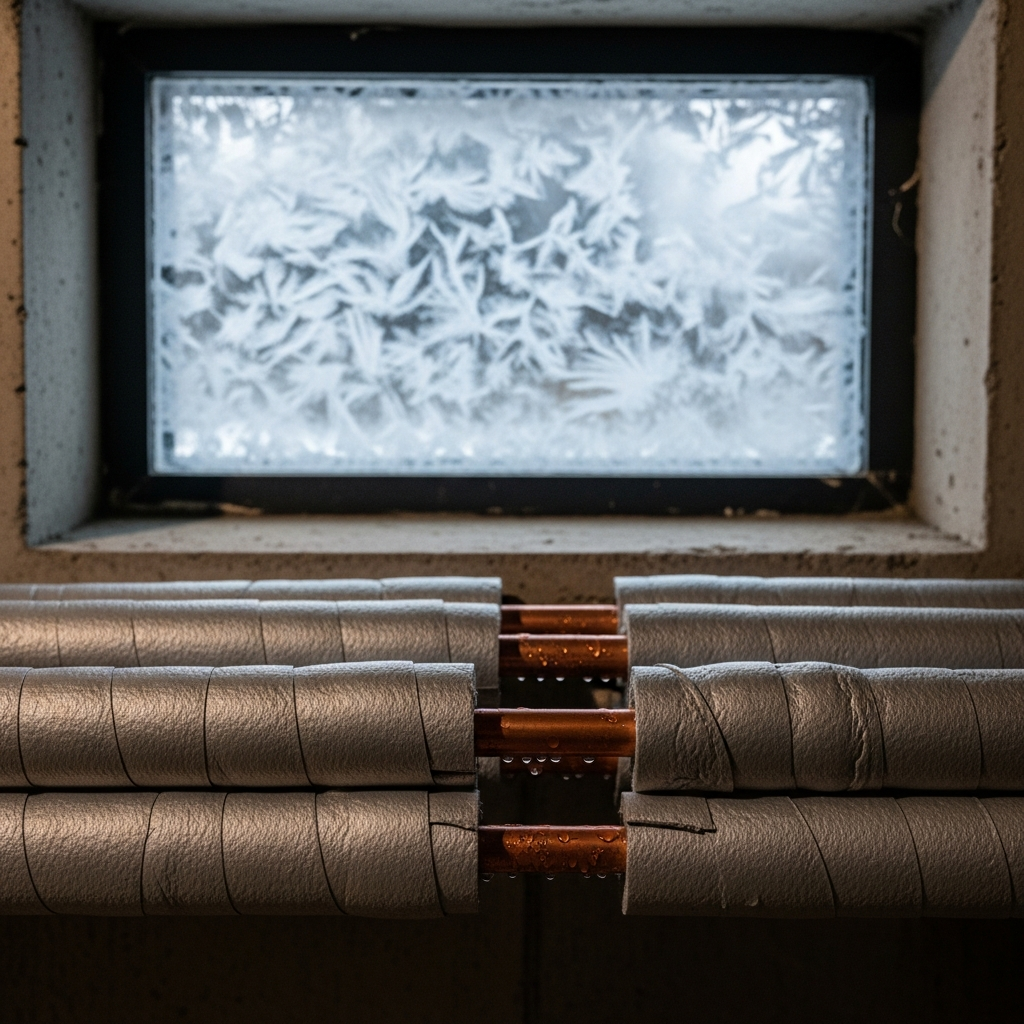
- High-Specification Thermal Insulation: All exposed pipework situated in unheated environments—such as loft spaces, basements, garages, and external cavities—must be retrofitted with professional-grade polyethylene foam lagging. Ensure that joints, valves, and T-junctions are meticulously wrapped, as even minimal exposure can invite localized freezing.
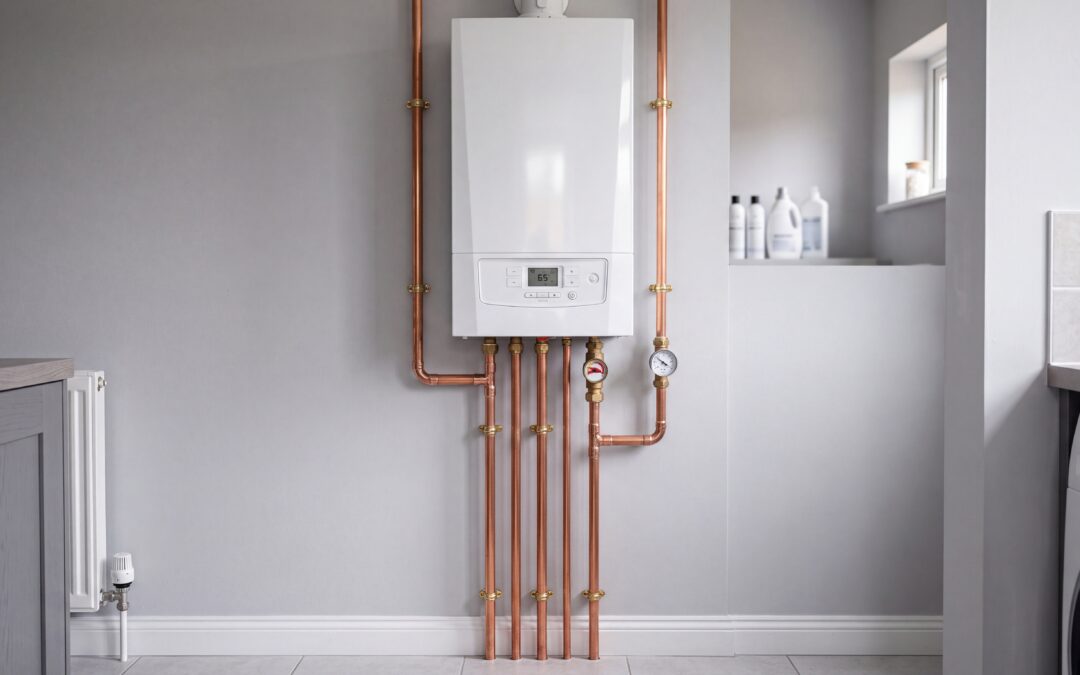
- Sustained Ambient Heating: Maintaining an adequate baseline temperature throughout the building envelope is critical during cold spells, especially when the premises are vacant. If you are scheduling a holiday during the winter months, it is imperative to complete 6 essential plumbing and heating checks before you go on holiday, which include programming your central heating system to maintain a constant minimum temperature of 12°C.
- Isolation of External Supplies: Outdoor taps and garden irrigation lines are exceptionally vulnerable. Locate the internal isolation valve for these external feeds, shut it off, and open the external taps fully to drain any residual water from the line, thereby removing the medium for ice expansion.
Crisis Mitigation and Professional Intervention
Despite meticulous preparation, extreme meteorological events can still compromise vulnerable plumbing systems. Early diagnostic indicators of a frozen pipe include significantly restricted flow from taps, a complete absence of water, or unusual gurgling noises upon activating appliances. Should you identify these warning signs, immediate intervention is required to avoid a burst.
Your immediate priority must be to locate and close the main incoming stopcock. Isolating the water supply limits the volume of water available to flood the property if a split has already occurred. In the event that a pipe has already ruptured, understanding what to do in a plumbing emergency can prevent devastating damage to plasterwork, ceilings, and electrical systems. Additionally, familiarizing yourself with the protocols for managing common plumbing emergencies ensures that you can take decisive, stabilizing actions whilst awaiting the arrival of a qualified emergency engineer.
Establishing Long-Term Resilience
Reactive emergency call-outs are not only stressful but can also represent a significant and unpredictable financial burden. By implementing a comprehensive, professionally managed winter-ready heating checklist, property owners can identify vulnerabilities—such as failing thermostat controls or inadequate insulation—prior to the arrival of freezing weather. Establishing a proactive maintenance routine is the most reliable strategy for breaking the cost-stress cycle in emergency plumbing and heating, ensuring operational continuity and peace of mind throughout the coldest months of the year.