The imperative to decarbonise our living spaces has transitioned from an aspirational environmental goal to an economic necessity. Domestic space heating and hot water production account for a substantial proportion of the UK’s greenhouse gas emissions. For homeowners seeking to mitigate their carbon footprint whilst insulating themselves against volatile energy markets, adopting eco-friendly home heating strategies offers a robust, twofold solution: significantly reduced utility bills and a dramatically lowered environmental impact.
The Financial and Ecological Case for Upgrading
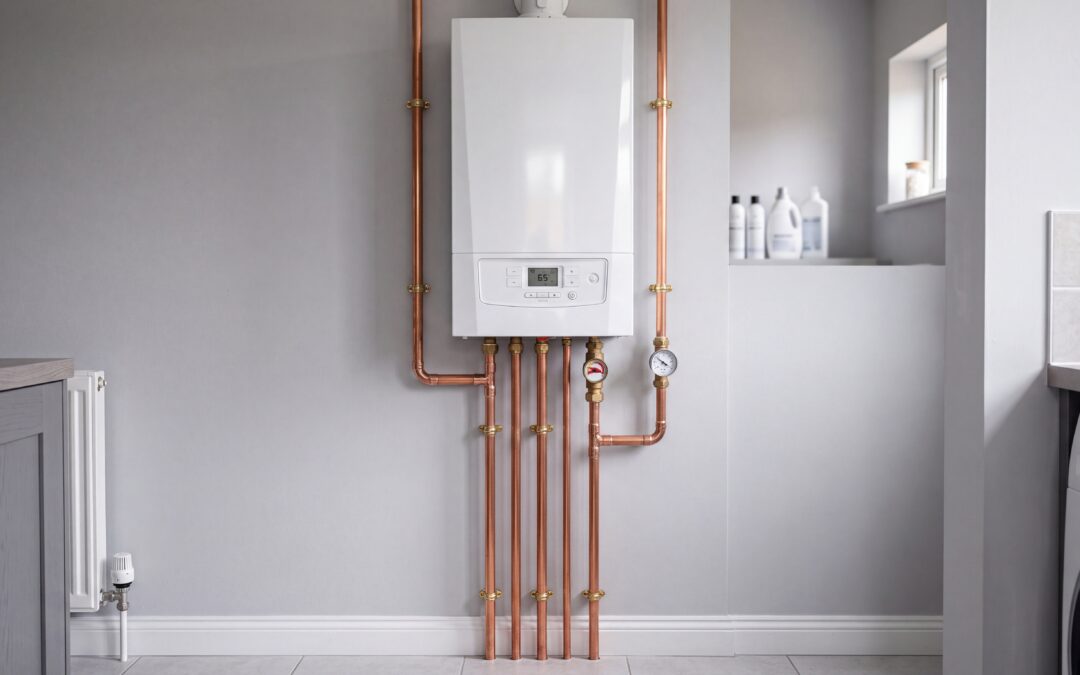
Standard gas boilers, particularly older, non-condensing models, operate at suboptimal efficiencies, translating to wasted energy and elevated operational costs. Transitioning to modern, low-carbon alternatives is a core component of establishing future-ready heating frameworks. By replacing obsolete infrastructure with high-efficiency systems, property owners can achieve immediate reductions in fuel consumption. These sustainable interventions not only curb carbon dioxide output but also future-proof residential properties against tightening energy performance regulations.
Furthermore, the benefits of modernising domestic infrastructure extend far beyond mere carbon metrics. Implementing targeted eco-friendly heating upgrades in Essex has demonstrated that highly efficient systems distribute warmth more uniformly, mitigate dampness, and enhance indoor air quality. Consequently, these upgrades foster healthier living environments whilst systematically lowering ongoing maintenance and operational costs.
Low-Carbon Alternatives: Heat Pumps and Advanced Hydraulics
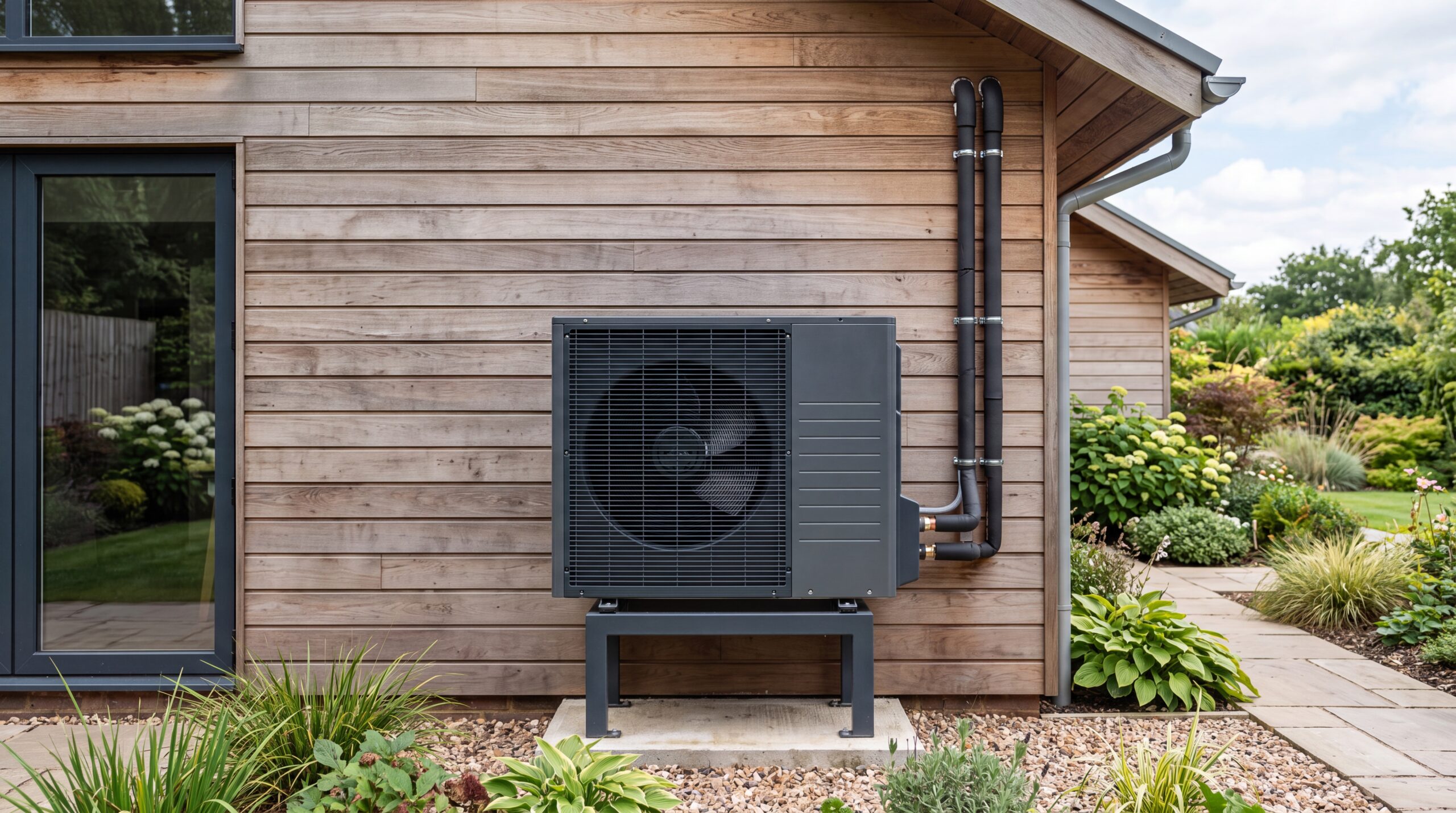
As the UK electrical grid continues to decarbonise, electrified heating technologies have emerged as the premier choice for sustainable homes. Heat pumps—both air-source and ground-source variants—operate by transferring thermal energy from the external environment indoors. Because they deliver up to three to four times more heat energy than the electrical energy they consume, their operational efficiency is unmatched by traditional combustion-based systems.
For properties with sufficient outdoor space, utilising the Earth’s stable subterranean temperature presents an incredibly efficient option. Exploring geothermal heat exchange allows homeowners to enjoy consistent, year-round heating and hot water, relatively unaffected by seasonal atmospheric fluctuations. Although the initial capital expenditure for ground-loop installations is higher, the exceptionally long lifespan and minimal maintenance requirements of these systems offer compelling long-term financial yields.
Scalable Insights from Public and Commercial Infrastructure
The shift towards low-carbon heating is not occurring in isolation. Large-scale public sector and commercial retrofits provide invaluable blueprints for domestic applications. Residential systems can draw critical lessons for low-carbon heating in Essex homes from major engineering projects, such as the transition from outdated, high-temperature distribution networks to sophisticated, low-temperature smart heating systems. Lowering system flow temperatures improves the efficiency of heat pumps and condensing boilers alike, illustrating that smart controls and hydronic balancing are just as critical as the heat source itself.
Embarking on Your Low-Carbon Transition
Transitioning to an eco-friendly home heating system requires a structured, bespoke approach. Homeowners must assess building envelope insulation, existing radiator sizing, and local geological conditions before selecting a technology. Engaging qualified, regional experts ensures that system designs are precisely calibrated to a property’s heat loss profile, guaranteeing optimal performance, lower carbon emissions, and sustained financial savings for decades to come.