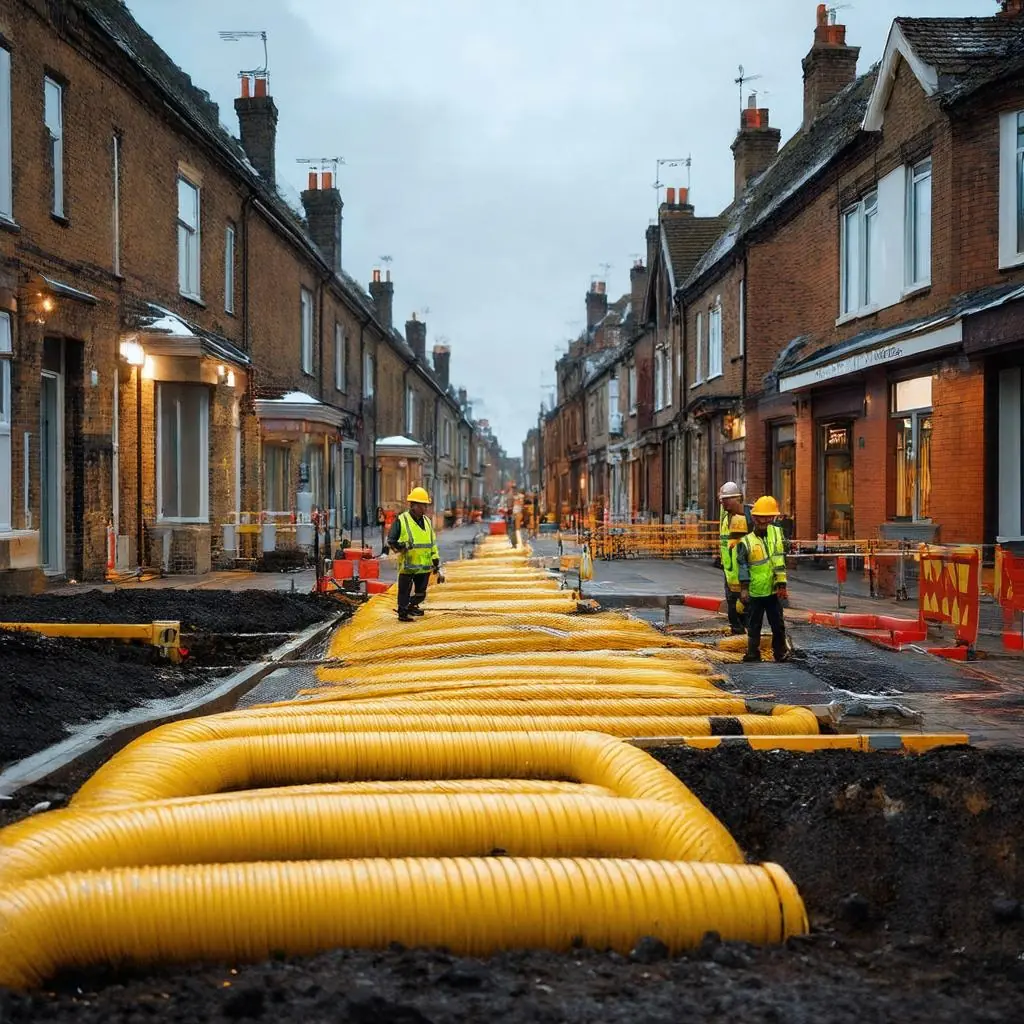
Beneath the streets of Brentwood and communities across Essex, the gas network is a critical, largely invisible part of everyday comfort and business continuity. Heating, hot water, and many commercial processes depend on a steady, safely managed gas supply. Upgrading this local infrastructure—from replacing older iron mains with modern polyethylene (PE) pipes to improving valves, pressure management, and remote monitoring—delivers significant gains in safety, reliability, efficiency, and future readiness.
Safety is the foremost benefit. Older metallic pipelines are more susceptible to corrosion and leakage. Replacing them with PE pipework reduces the risk of leaks and allows for safer, more reliable operation over decades. Modern networks are designed with better isolation points and pressure control, so if an incident does occur, engineers can contain it quickly and limit the impact to surrounding properties. Fewer leaks also mean fewer disruptions, less risk to the public, and lower emergency response demand.
Reliability and performance are next. Upgraded mains and regulators stabilise pressure across the network. That stability helps appliances operate as intended and reduces nuisance boiler lockouts, especially during peak demand in cold snaps. While the primary causes of carbon monoxide (CO) incidents are faulty or poorly maintained appliances and inadequate ventilation, a stable supply supports correct combustion. For homeowners and property managers in areas like Brentwood, Upminster, Hornchurch, and Southend, this translates to fewer unplanned interruptions and greater confidence that heating will work when it is needed most.
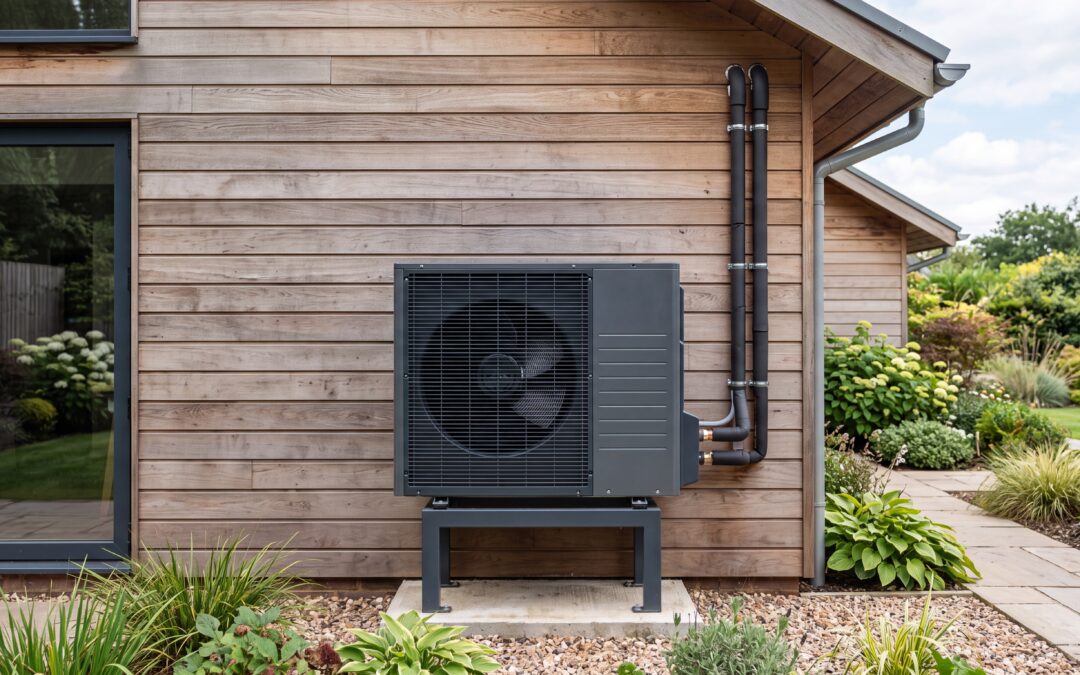
Efficiency and environmental benefits are also significant. Reducing fugitive methane emissions through leak reduction is one of the most impactful steps gas networks can take to lower their carbon footprint today. Newer assets can be monitored more effectively, enabling proactive maintenance and fewer emergency excavations. Many upgrades also prepare the network for low-carbon gases, including biomethane fed into the grid and potential blends of hydrogen in the future. As energy policy evolves, a modernised network makes it easier for households and businesses to adopt greener heating technologies—whether that is a high-efficiency boiler designed to tolerate a hydrogen blend, a hybrid heat pump system, or other emerging solutions.
Finally, upgraded infrastructure improves resilience. Essex sees occasional extreme weather and seasonal demand peaks. New valves, district regulators, and smarter control systems help the local gas distribution network operator (such as Cadent in this region) maintain service during challenging conditions and isolate issues rapidly. That resilience limits the scope of outages and supports faster restoration when work is required.
In short, local gas network upgrades make heating safer, more reliable, and more future-proof. They may involve short-term street works, but the long-term payoff is fewer emergencies, smoother operation, and readiness for cleaner fuels—protecting people, property, and the planet.
Practical guidance for households and businesses in Essex
Even with a modern network, safety begins at your property. Knowing the signs of a problem and the right actions to take—paired with prompt engineering support—can prevent minor issues from becoming emergencies.
Recognising gas safety issues
- Smell of gas (a distinctive odour added for detection).
- Hissing or blowing sounds near pipework, meters, or appliances.
- Unexplained bubbling in standing water outdoors where pipework may run, or areas of dead vegetation above buried mains.
- Appliance warning signs: lazy yellow or orange flames (instead of crisp blue), excessive condensation, sooting or scorch marks around appliances, or pilot lights that repeatedly go out on older models.
- Symptoms consistent with carbon monoxide exposure (CO is odourless and tasteless): persistent headaches, dizziness, nausea, breathlessness, confusion, or collapse. An audible CO alarm is essential as an early warning.
What to do if you suspect a gas leak
- Do:
- Open doors and windows to ventilate.
- Turn off the gas at the emergency control valve at the meter if it is safe to access.
- Leave the property and keep others away.
- Call the National Gas Emergency Service on 0800 111 999 (free, 24/7) from outside the property.
- If there is a fire, explosion, or immediate danger to life, call 999.
- Do not:
- Use matches, lighters, cigarettes, or any source of ignition.
- Operate electrical switches or use mobile phones inside the property.
- Attempt to locate or repair the leak yourself.
Carbon monoxide precautions
- Install an audible CO alarm compliant with BS EN 50291 in every property with fuel-burning appliances. Test it regularly and replace it per manufacturer guidance.
- Ensure appliances are correctly installed, regularly serviced, and adequately ventilated. Annual servicing by a Gas Safe registered engineer is essential for boilers and other gas appliances.
- If a CO alarm sounds or you suspect CO exposure, turn off appliances if safe, ventilate, leave the property, seek medical advice, and contact the National Gas Emergency Service.
Planned network works and your property
- Keep your gas meter and internal isolation valve accessible to you and to engineers.
- After planned interruptions, your boiler or commercial plant may need to be reset or relit according to manufacturer instructions. If appliances do not restart or show fault codes, arrange for a Gas Safe registered engineer to attend.
- Landlords and commercial property managers should schedule statutory checks in line with obligations. Following network work, it may be prudent to plan a safety check or service to verify correct operation.
The value of prompt engineering response
- Minutes matter in gas incidents. Rapid attendance limits risk, enables timely isolation, and prevents small faults from escalating. For businesses, that speed also protects continuity and customer service.
- Brentwood Heating Ltd provides a 24/7 emergency call-out service across Brentwood and the wider Essex area—covering Upminster, Hornchurch, Southend, and surrounding communities. All engineers are Gas Safe registered, equipped to diagnose issues, and trained to work neatly and respectfully on occupied sites.
- Our transparent, straightforward customer journey helps you understand what will happen next, from initial triage to on-site resolution. For landlords and facilities managers, we offer timely documentation, including Gas Safety Certificates, and we coordinate works to minimise disruption.
Preparing for the future
- Consider the future of your heating when planning maintenance or replacement. Many modern boilers from leading manufacturers are designed to be compatible with prospective low-percentage hydrogen blends. Consult your manufacturer literature and a Gas Safe registered engineer to ensure suitability for your property.
- If your system is older or experiencing circulation problems, a professional power flush can help restore performance and support boiler efficiency.
- Annual servicing is the simplest way to maintain efficiency, extend appliance life, and reduce the risk of breakdowns—particularly during winter peaks when demand and call-out times can increase.
- For commercial sites, proactive maintenance planning, asset registers for plant, and periodic reviews of emergency procedures will reduce downtime and aid compliance.
How Brentwood Heating supports you
- Boiler repair, servicing, and installation: We work with leading brands such as Worcester-Bosch, Vaillant, Ideal, and Baxi, matching solutions to your property, usage, and budget. Extended guarantees—up to 10 years on selected models—provide long-term reassurance.
- Central heating installation and repairs: From single-family homes to multi-unit and commercial systems, our engineers design and maintain reliable, efficient heating tailored to your needs.
- Compliance and safety: Gas Safety Certificates for landlords and commercial premises, expert diagnostics, and clear reporting.
- Rapid response: 24/7 emergency attendance to restore safety and heat with minimum disruption.
Key numbers and next steps
- National Gas Emergency Service: 0800 111 999 (24/7).
- Emergency services (fire, police, ambulance): 999 for immediate danger to life.
- For non-emergency support, planned work, servicing, and tailored quotations, contact Brentwood Heating Ltd via our website. Save our details and the National Gas Emergency number where everyone in your household or team can access them.
Local gas network upgrades are improving safety, reliability, and environmental performance across Brentwood and Essex. Coupled with vigilant homeowners and property managers—and prompt, professional engineering response—they provide the foundation for safe, dependable, and progressively greener home and business heating for years to come.