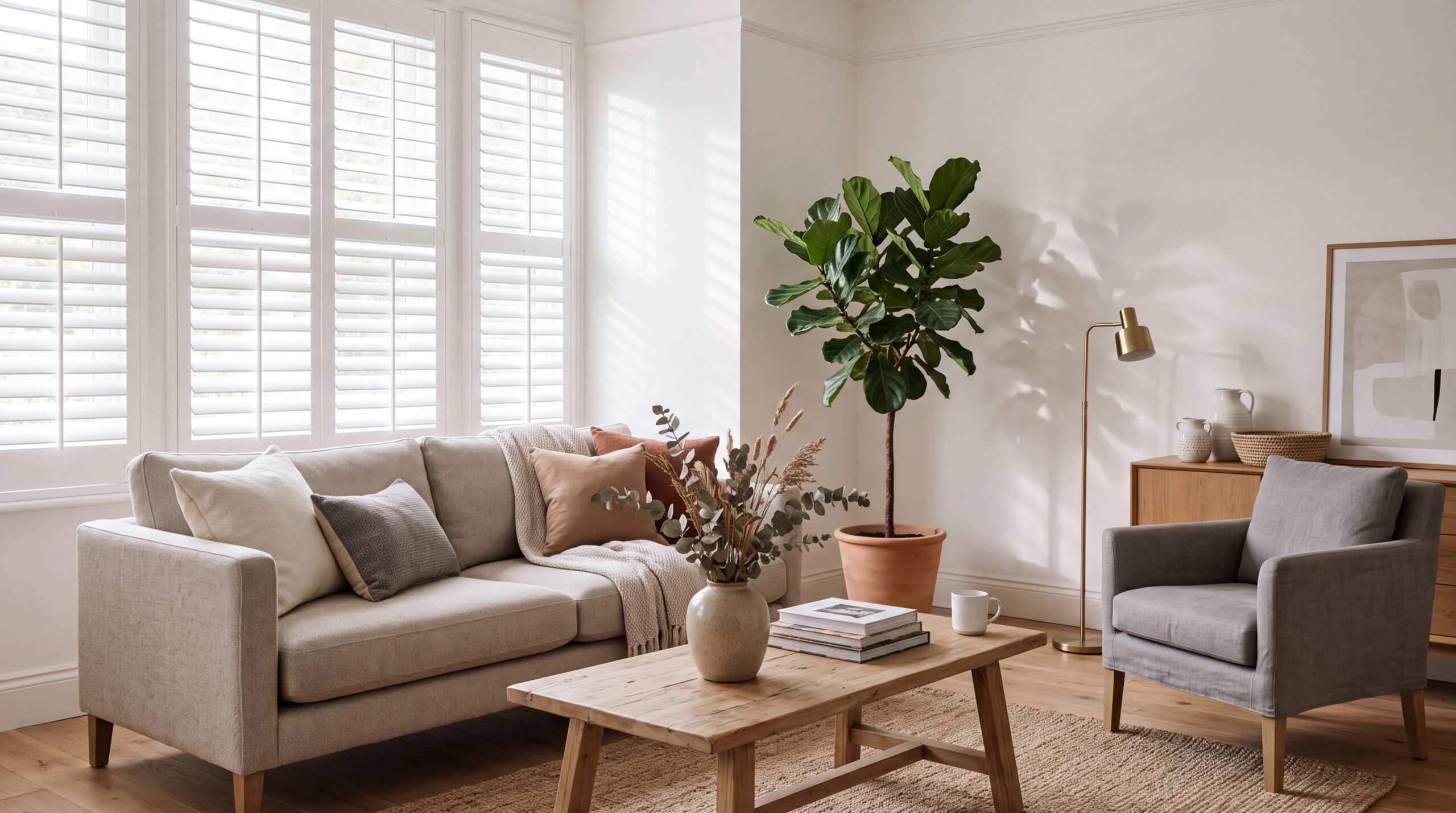
As British summers become increasingly intense, maintaining a temperate indoor environment has transitioned from a matter of seasonal convenience to a crucial component of domestic well-being. Excessive indoor heat not only degrades sleep quality and cognitive performance but can also place physical strain on vulnerable occupants. Implementing strategic home cooling tips can significantly ameliorate these thermal challenges, transforming your property into a sanctuary of climate-controlled comfort.
Passive Thermoregulation and Ventilation
Before relying entirely on mechanical systems, it is highly effective to employ passive cooling strategies that prevent solar gain from penetrating your living spaces. During peak daylight hours, external shading is your first line of defence. Drawing blinds, curtains, or shutters on south- and west-facing windows blocks direct solar radiation before it can heat the internal air. Additionally, thermal mass within the home can be managed by keeping windows sealed during the hottest periods of the day, trapping cooler morning air inside.
Once the external ambient temperature drops below the internal temperature—typically in the late evening—cross-ventilation should be prioritized. By opening windows on opposite sides of the property, you encourage a natural convective draught that flushes out stagnant, warm air. This passive circulation cycle lowers the base temperature of your walls and furniture, reducing the cooling load required when the sun rises the following day.
Maximizing the Efficiency of Air Conditioning Systems
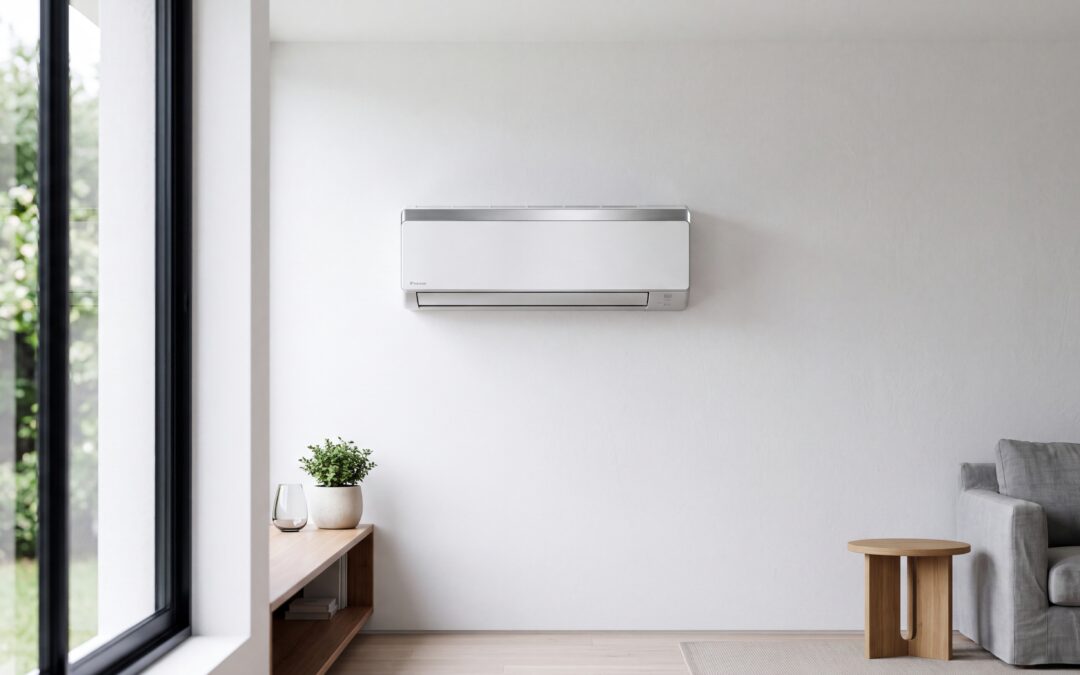
For sustained comfort during prolonged heatwaves, active cooling is indispensable. To ensure your system delivers optimal performance without causing an excessive rise in your utility bills, understanding how to manage its operation is essential. There are numerous air conditioning benefits beyond simple temperature reduction, including humidity control and advanced air filtration, which dramatically improve indoor environmental quality.
However, these systems must be operated intelligently. Achieving high air conditioning efficiency relies on regular filter maintenance and keeping thermostats set to a realistic temperature—ideally around 22°C to 24°C. Setting the thermostat to an excessively low temperature will not cool the room any faster; instead, it forces the compressor to run continuously, wasting energy and accelerating mechanical wear and tear.
Adapting to Extreme Climate Variabilities
The UK climate is shifting towards more volatile seasonal extremes, and homeowners must safeguard their properties against these prolonged high-temperature events. Recent patterns of extreme weather in Essex demonstrate how crucial it is to have resilient, professionally maintained domestic infrastructure capable of handling rapid temperature spikes.
For those looking to future-proof their homes with sustainable, long-term solutions, it is worth exploring modern heating and cooling technologies. Transitioning away from carbon-intensive fossil fuels has led many forward-thinking homeowners to switch from traditional air conditioning to heat pumps. Air-to-air heat pumps function as highly efficient air conditioners in the summer, whilst offering low-carbon, cost-effective space heating during the winter months, presenting a truly versatile solution to domestic climate control.
Proactive Preparation for Thermal Comfort
Ultimately, the key to successful home cooling lies in foresight and systemic optimization. Combining passive architectural strategies—such as reflective window films and loft insulation—with highly efficient mechanical cooling systems ensures that your home remains resilient in the face of rising summer temperatures. By scheduling professional maintenance before the peak summer rush, you guarantee that your cooling infrastructure is fully operational when you need it most, ensuring uninterrupted comfort all summer long.