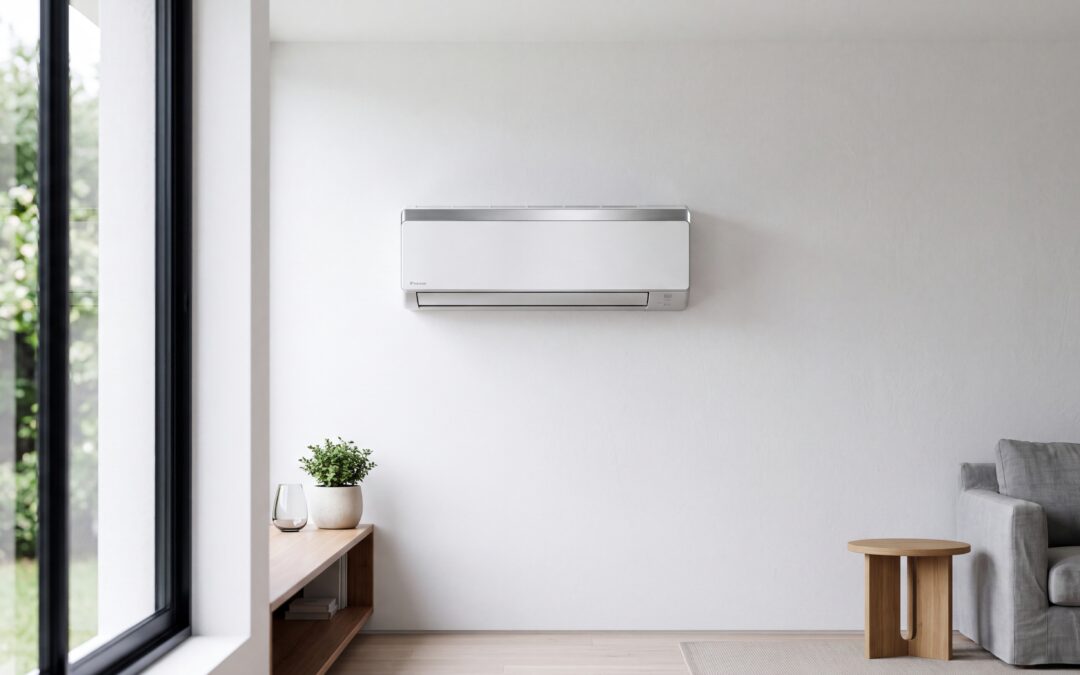
As domestic energy tariffs remain a primary concern for households across East Anglia, upgrading to energy-efficient heating is no longer merely an ecological aspiration; it is a financial imperative. For Essex homeowners, navigating the transition from legacy boiler systems to modern, low-carbon solutions requires a nuanced understanding of current technologies, heat distribution mechanics, and the local support frameworks available to facilitate these installations.
The Evolution of Domestic Heat Distribution
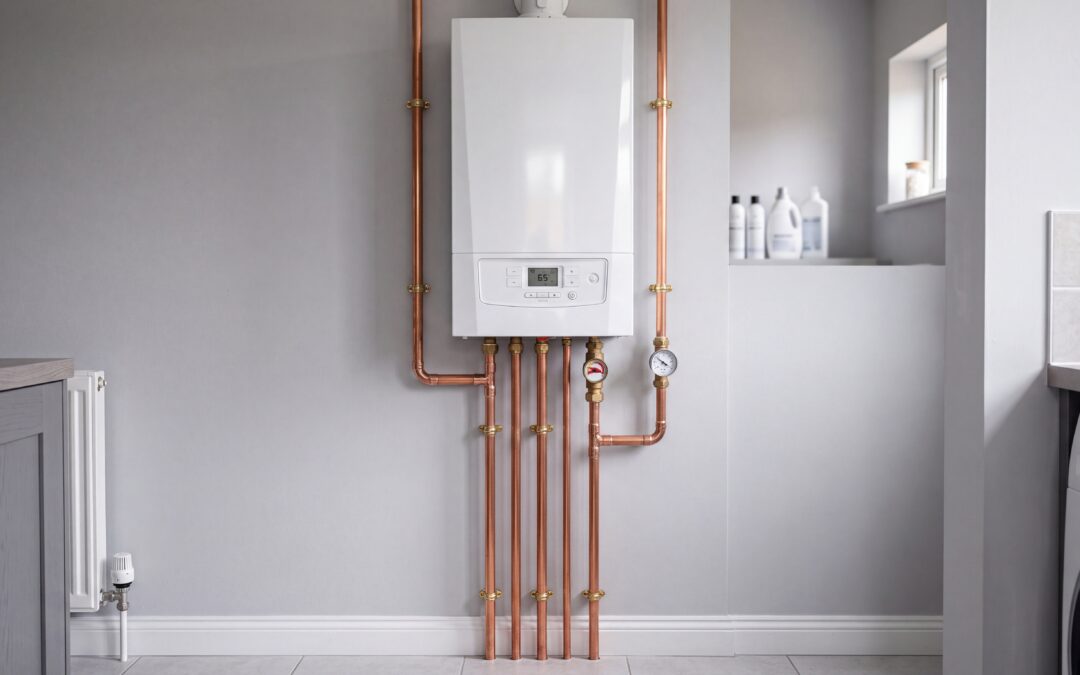
Historically, UK residential heating relied on high-temperature gas or oil boilers, circulating water at around 75°C through standard steel radiators. While functional, this methodology is inherently inefficient. Modern energy-efficient heating paradigms prioritize low-temperature systems, which dramatically reduce fuel consumption while maintaining consistent thermal comfort.
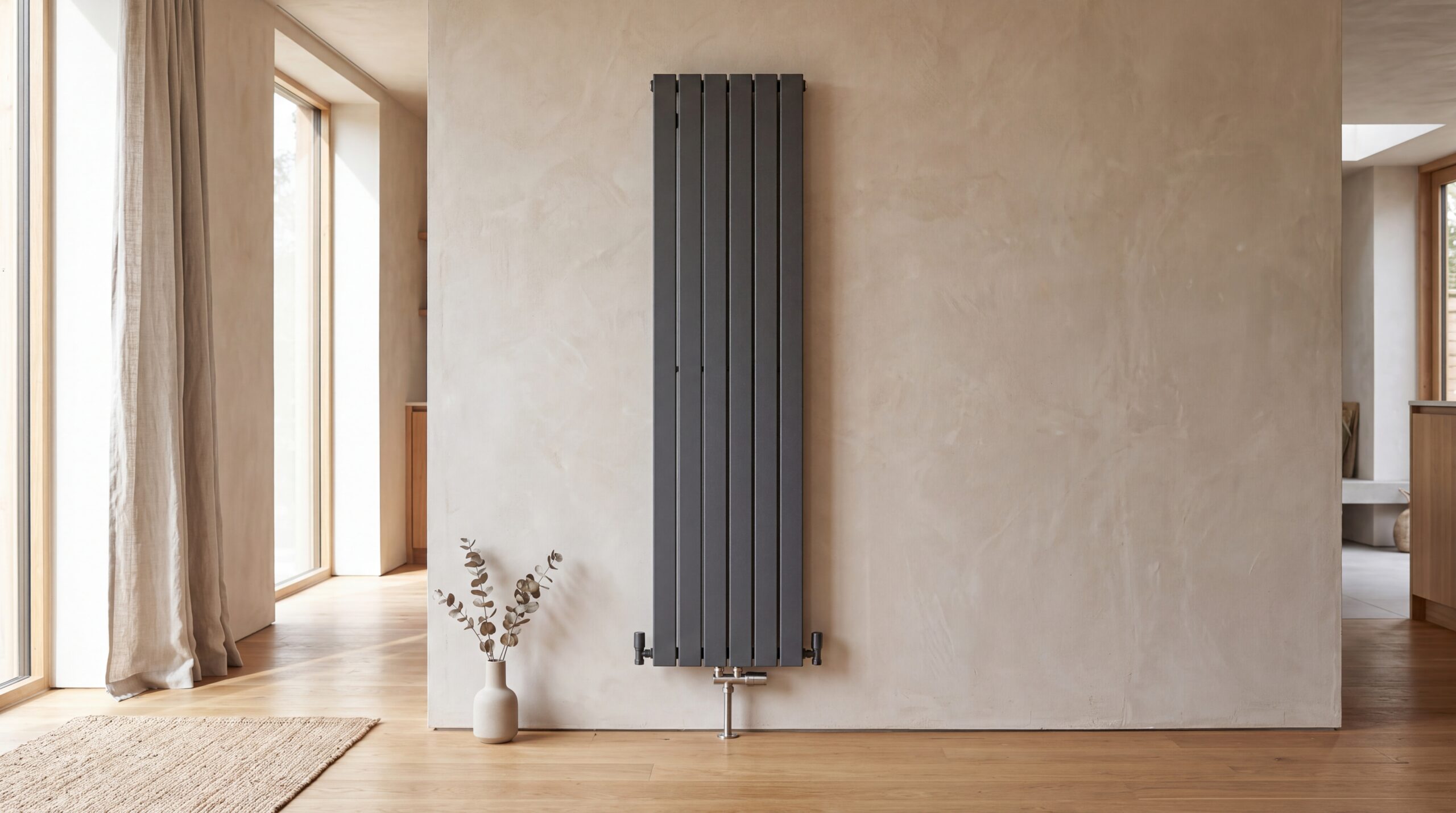
A key component in this transition is the adoption of advanced emitters. Homeowners are increasingly turning to hydronic radiators and low-temperature smart heating. Unlike older systems, modern hydronic designs feature optimized convector fins and operate effectively with lower flow temperatures, making them the perfect counterpart to condensing boilers and heat pumps alike.
Scalable Technology: Lessons from Commercial Infrastructure
The principles governing efficient domestic upgrades are often proven first at scale. Major public and private sector projects across the region demonstrate that transitioning away from legacy infrastructure is highly achievable. For instance, recent public sector initiatives show how large-scale facilities can transition from steam to smart heat, highlighting lessons in decarbonization and system integration that are directly applicable to residential retrofits.
Whether modernizing a multi-bedroom Victorian villa in Brentwood or a mid-century terrace in Chelmsford, the methodology remains identical: improve the building envelope, assess heat loss, and match the heat generator precisely to the property’s demand. Implementing targeted heating and energy upgrades ensures robust, long-term reliability and significantly lower operating costs.
Overcoming the Cost Barrier
The primary hurdle for many Essex homeowners considering a transition to heat pumps or advanced solar thermal integration is the initial capital expense. However, the financial landscape is evolving to support residential decarbonization. The introduction of flexible financing models for heat pumps has democratized access to these technologies, allowing property owners to spread installation costs over manageable, predictable periods while immediately benefiting from reduced energy bills.
In addition to private financing, various government grants, such as the Boiler Upgrade Scheme (BUS), provide substantial upfront subsidies to offset the transition from fossil fuel boilers. By combining these subsidies with modern financing, high-efficiency, low-carbon systems have become a viable reality for a broader demographic of homeowners.
Strategic Planning for Your Essex Home
Achieving true heating efficiency is rarely about a single appliance; it requires a holistic approach. When planning an upgrade, consider the following steps:
- Thermal Efficiency Assessment: Ensure your property has adequate loft and cavity wall insulation to retain heat before sizing new equipment.
- Hydraulic Balancing: Ensure your installer balances the system so that water is distributed evenly to all emitters, preventing cold spots.
- Smart Controls: Integrate weather compensation controls and smart thermostatic radiator valves (TRVs) to modulate system output dynamically.
By shifting to an integrated, low-temperature heating strategy, Essex residents can secure their homes against future energy volatility, lower their carbon footprints, and enjoy superior thermal comfort for years to come.