As summer temperatures in the United Kingdom continue to rise, modern climate control has transitioned from a high-end luxury to an essential home improvement. Selecting an appropriate domestic cooling solution requires balancing architectural constraints, energy performance, thermal requirements, and initial outlay. A comprehensive home air conditioning guide helps demystify the available technologies, ensuring that property owners enjoy the full spectrum of air conditioning benefits without incurring excessive operational costs.
Understanding Residential Air Conditioning Options
Modern residential cooling systems come in several configurations, each engineered to address specific layout challenges and cooling demands:
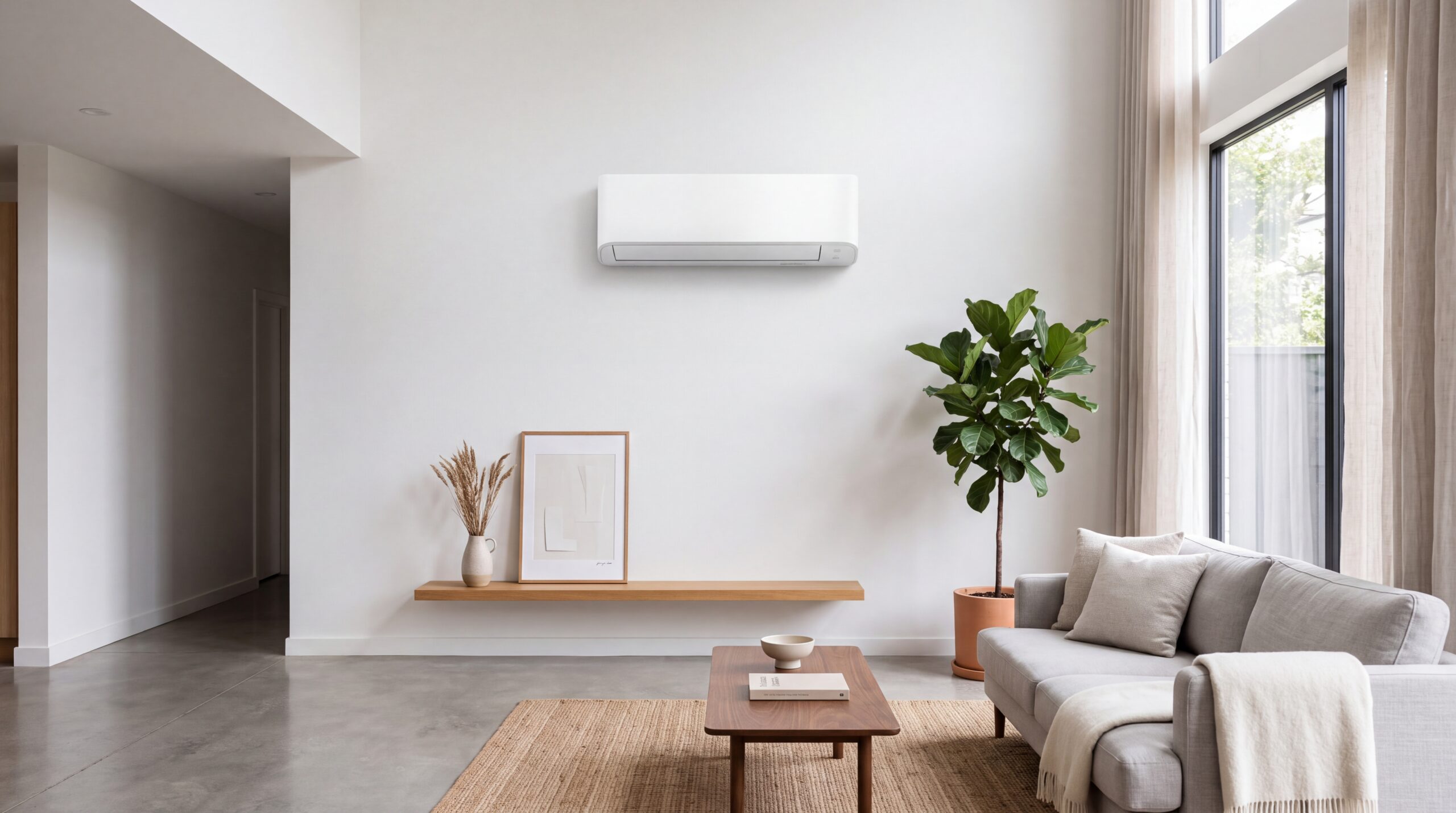
- Single-Split Systems: Comprising one outdoor condenser connected to a single indoor unit, split systems are ideal for targeted areas such as master bedrooms, conservatories, or home offices. They offer precise localised temperature management and exceptional energy efficiency.
- Multi-Split Systems: Multi-split configurations link up to five indoor wall, floor, or ceiling units to a single outdoor condenser. This architecture allows individual climate control in distinct zones throughout the home without cluttering exterior walls with multiple outdoor units.
- Ducted Systems: For complete architectural integration, ducted air conditioning conceals the fan coil units within loft spaces or ceiling voids. Conditioned air is distributed silently via subtle ceiling or floor grilles, delivering whole-house cooling without altering interior décor.
- Reversible Air-to-Air Heat Pumps: Many contemporary air conditioners are in fact reversible heat pumps. By altering refrigerant flow, these dual-function systems provide rapid cooling during summer heatwaves and low-carbon space heating throughout winter. Property owners seeking year-round utility often consider a complete switch from air conditioning to heat pumps to streamline their home energy infrastructure.
Critical Factors When Selecting Your System
Achieving optimal comfort depends on selecting equipment tailored to the thermal dynamics of your building envelope. A professional survey evaluates several vital technical parameters:
Cooling Capacity and Thermal Load
System capacity is measured in kilowatts (kW) or British Thermal Units (BTU). An accurately sized unit accounts for room volume, window orientation, insulation quality, and solar heat gain. An undersized unit will run continuously without achieving set-point temperatures, whereas an oversized system will cycle frequently, causing temperature fluctuations and premature component wear.
Energy Efficiency and Operational Costs
Evaluating the Seasonal Energy Efficiency Ratio (SEER) and Seasonal Coefficient of Performance (SCOP) is paramount to controlling electricity expenditure. Higher ratings denote superior inverter technology, which modulates compressor speed dynamically rather than switching on and off abruptly. Prioritising modern inverter technology significantly enhances overall air conditioning efficiency, lowering lifecycle operational costs.
Indoor Air Quality and Climate Resilience
Advanced residential air conditioning units do far more than cool air; they actively dehumidify and purify the indoor environment. Integrated high-efficiency filtration captures airborne particulates, allergens, and moisture. This safeguard becomes invaluable during intense heatwaves and periods of extreme weather in Essex, maintaining healthy indoor air quality when opening windows is impractical.
Professional Installation and Maintenance
To ensure long-term reliability and compliance with UK environmental regulations, air conditioning systems must be installed by certified, F-Gas-qualified engineers. Proper placement of both indoor fan coils and outdoor condensers ensures unobstructed airflow and quiet operation. Furthermore, homeowners interested in comprehensive climate solutions can explore local installation options, such as heat pumps in Essex, to combine heating and cooling seamlessly under a single efficient system.
Routine maintenance—including cleaning air filters, inspecting condensate drainage, and checking refrigerant levels—preserves system efficiency and guarantees healthy, comfortable indoor living for years to come.