Across North America, three forces are accelerating the uptake of energy‑efficient commercial heating: retrofitting ageing plant, deploying smart control systems, and meeting stricter environmental standards. The same dynamics are shaping the UK landscape, and they offer clear, actionable lessons for property and facilities managers in Essex and beyond.
-
Retrofitting first, replacing when justified. Many commercial buildings still run on legacy boilers that are oversized, poorly controlled, or nearing end of life. North American portfolios are prioritising staged retrofit programmes—starting with the highest‑impact measures (controls, hydraulic balancing, variable‑speed pumps, and emitter upgrades), then moving to high‑efficiency plant replacement when practical. In the UK, similar sequencing helps you cut consumption quickly while spreading capital expenditure and minimising disruption to tenants and operations.
-
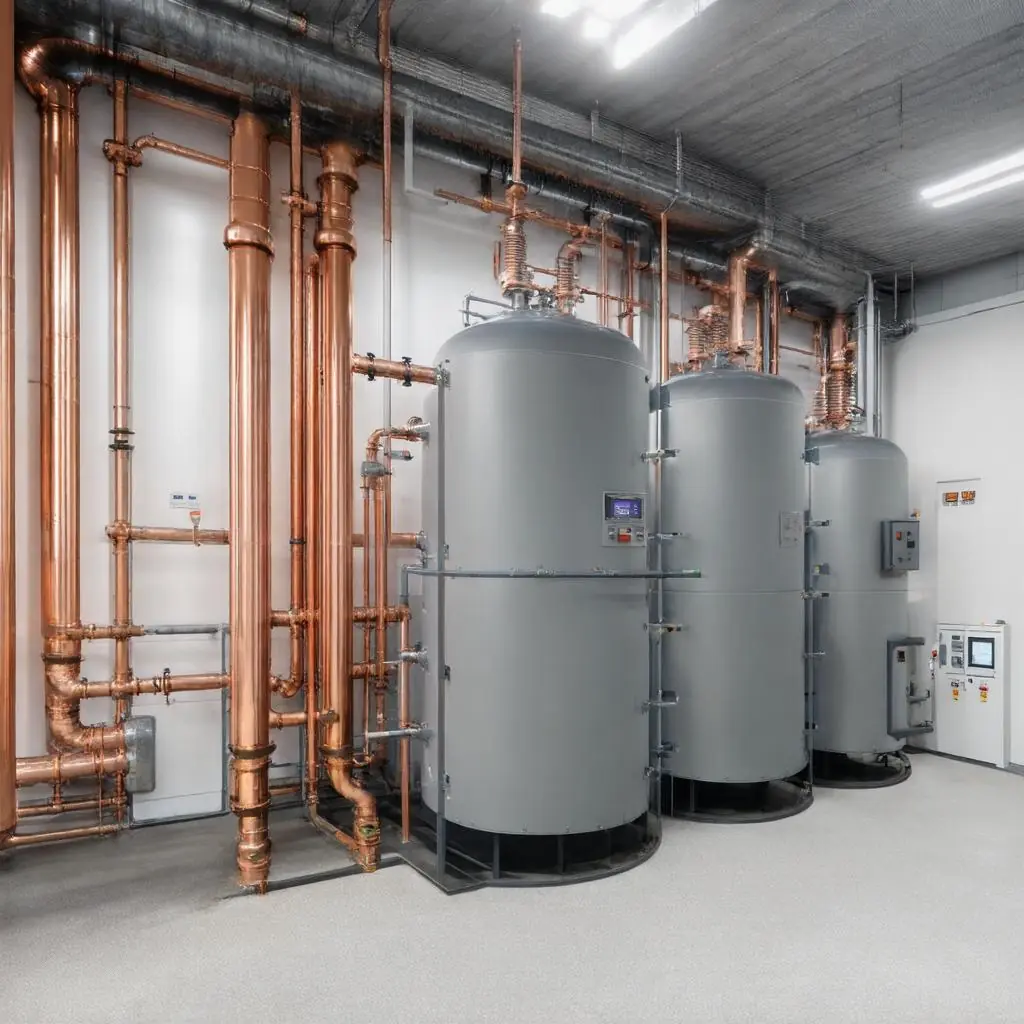
Condensing and modular as the new standard. Modern condensing boilers, especially in modular cascade configurations, achieve high seasonal efficiencies by matching load precisely and reclaiming latent heat. For multi‑tenanted offices, schools, healthcare settings, hospitality, and light industrial sites, cascades deliver resilience (n+1 redundancy), better turndown, and easier maintenance compared with single large boilers. UK brands such as Worcester‑Bosch, Vaillant, Ideal, and Baxi offer commercial‑grade appliances suited to these applications, with extended guarantees when installed and maintained by accredited engineers.
-
Smart controls and data‑driven operations. North American owners are using building management systems (BMS), weather compensation, occupancy‑based setpoints, and advanced sequencing to reduce wasted heat and smooth demand. Remote monitoring and IoT sensors enable predictive maintenance, alerting engineers to issues before they affect comfort or uptime. UK sites can achieve similar gains by integrating boiler controls with BMS, deploying room/zone controls where appropriate, and enabling secure remote access for maintenance partners.
-
Water quality and system health. Fouling, sludge, and scale silently undermine efficiency and reliability. Regular system water testing, power flushing where needed, and ongoing inhibitor dosing are now routine elements of high‑performance heating strategies. This is as true in Brentwood as it is in Boston: clean, balanced systems protect new plant, maintain efficiencies, and reduce unplanned call‑outs.
-
Compliance and reputation. Stricter environmental and safety standards are a shared reality. In the UK, duty holders must comply with the Gas Safety (Installation and Use) Regulations, Part L energy efficiency requirements for building work, and Minimum Energy Efficiency Standards (MEES) for let properties (with a trajectory of tighter expectations under active review). Local planning conditions and client ESG goals further incentivise low‑NOx, low‑carbon solutions. Proactive upgrades demonstrate good governance, reduce risk, and support corporate sustainability reporting.
-
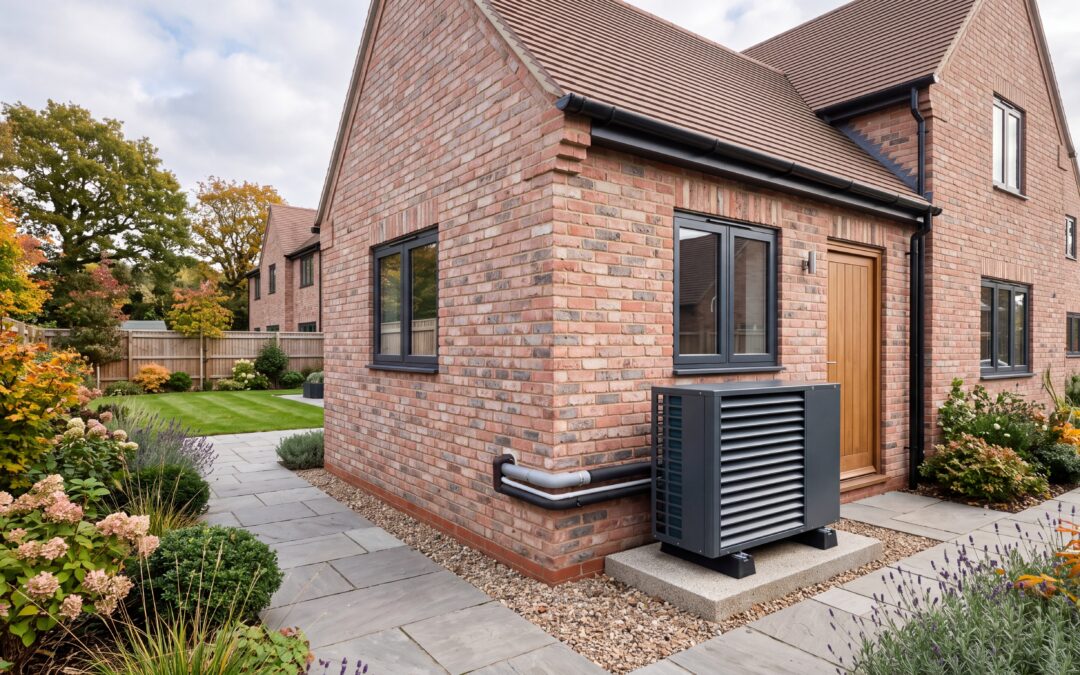
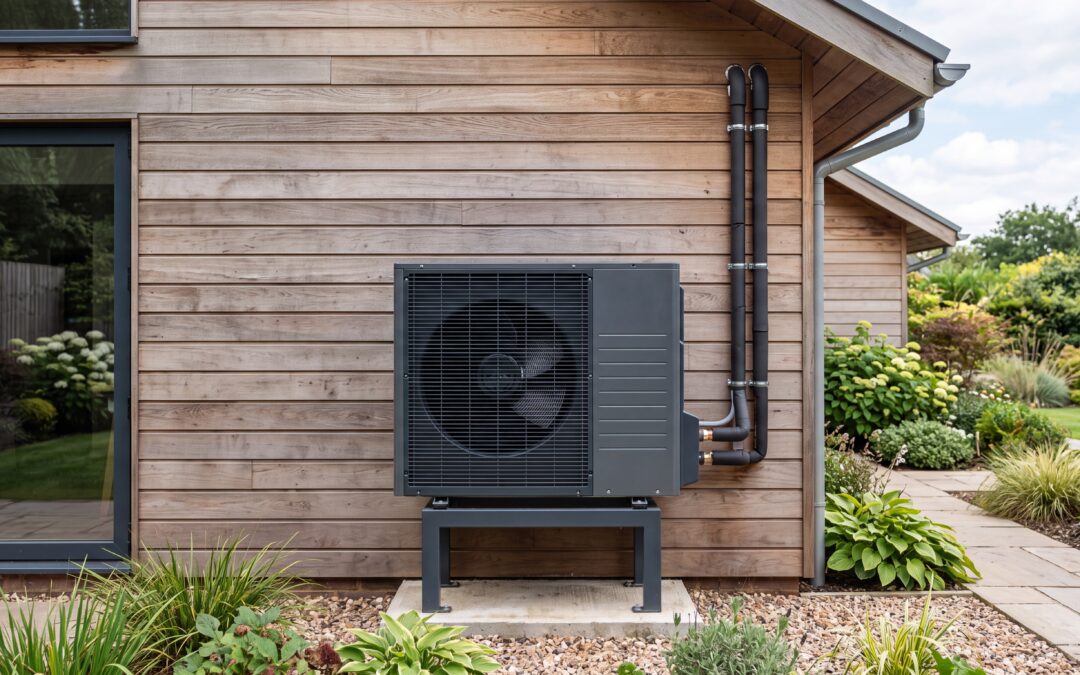
Pathways to lower carbon. While gas remains prevalent for many commercial premises, the technology mix is broadening. Heat pump integration (as part of a hybrid system), heat network readiness, and future‑proofing for low‑carbon gases are increasingly considered at design stage. The practical lesson is to specify plant and controls that keep options open—ensuring today’s investments do not constrain tomorrow’s decarbonisation steps.
The benefits for UK businesses are tangible:
- Lower operating costs through improved seasonal efficiency and smarter control (often 10–25% savings are achievable, site‑dependent).
- Higher reliability and comfort thanks to modular redundancy, predictive maintenance, and better water quality.
- Reduced carbon and NOx emissions, assisting with compliance, ESG targets, and stakeholder expectations.
- Enhanced asset value and lettability through better EPC performance and transparent maintenance regimes.
A Practical Roadmap for Property and Facilities Managers in Essex
Translating these trends into action requires a structured, risk‑aware plan. The following roadmap reflects best practice from North America, adapted to UK requirements, and is designed to minimise disruption while delivering measurable results.
1) Start with evidence: survey, data, and goals
- Commission a thorough plant room and distribution survey, including age, condition, controls architecture, and emitter suitability for lower flow/return temperatures.
- Gather at least 12 months of consumption data and BMS trends (if available). Establish benchmarks for kWh/m² and heat load profiles.
- Define objectives beyond “replace the boiler”: target efficiency, resilience, compliance milestones, carbon reduction, and comfort parameters.
2) Pursue quick wins first
- Optimise control strategies: enable weather compensation, correct time schedules, and ensure sensible setpoints.
- Balance the system hydraulically; fit variable‑speed pumps to match actual demand.
- Address water quality: sample, power flush if needed, and introduce inhibitors and ongoing monitoring.
- These measures are low‑disruption and frequently deliver immediate savings.
3) Specify the right replacement strategy
- Select condensing commercial boilers suited to your true load (not nameplate legacy sizing). Consider modular cascades for redundancy and turndown.
- Ensure compatibility with existing emitters; where feasible, upgrade emitters or add plate heat exchangers to separate circuits and protect new plant.
- Integrate smart sequencing controls and BMS connectivity from the outset, with clear alarm hierarchies and remote monitoring capability.
- Where decarbonisation roadmaps exist, evaluate hybrid approaches (e.g., pairing gas boilers with a heat pump for shoulder loads) to cut carbon without compromising reliability.
4) Plan phasing to protect operations
- Sequence works around occupancy and critical events; use temporary plant if necessary to maintain service during changeover.
- Prioritise high‑risk buildings or those with compliance deadlines to reduce exposure to downtime or penalties.
5) Commissioning, validation, and training
- Insist on thorough commissioning: combustion setup, control tuning, sensor calibration, and documented performance against design intent.
- Train site staff on daily checks and exception reporting; establish a clear escalation path with your maintenance provider.
- Implement a maintenance regime that includes annual servicing (by Gas Safe registered engineers), water testing, and periodic verification of control strategies.
6) Make the business case transparent
- Build a simple life‑cycle cost model covering capex, energy, maintenance, downtime risk, and expected equipment life.
- Coordinate with your finance team on capital allowances and budgeting. While incentives evolve, many heating upgrades qualify for capital allowances—your accountant can advise on current rules and the best route for your organisation.
- Track KPIs post‑project (consumption, comfort complaints, call‑outs) to validate savings and inform the next phase.
7) Choose the right delivery partner
- Prioritise certified expertise and responsiveness. Gas Safe registration is essential; commercial experience and brand accreditations help secure extended guarantees.
- Look for transparent processes, clear communication, and the ability to support both urgent repairs and planned upgrades under one roof.
As a locally owned business serving Brentwood and the wider Essex area—including Upminster, Hornchurch, and Southend—Brentwood Heating Ltd brings these principles to life. Our engineers are Gas Safe registered and experienced with leading commercial boiler brands such as Worcester‑Bosch, Vaillant, Ideal, and Baxi. We offer:
- Prompt, 24/7 emergency support to keep critical operations running.
- A straightforward customer journey—from initial survey and tailored quotations to installation, commissioning, and aftercare.
- Flexible solutions that respect your budget and building constraints, with attractive manufacturer guarantees (up to 10 years on selected boilers when installed to specification and serviced as required).
- System health services—power flushing, water quality management, balancing, and smart control integration—to protect your investment and maintain efficiency.
Whether you are considering a staged retrofit or a full plant replacement, the lesson from both sides of the Atlantic is clear: modern, well‑controlled, and properly maintained heating systems are more reliable, more efficient, and more future‑ready. If you manage commercial premises in Brentwood or across Essex and want to reduce costs, strengthen compliance, and improve occupant comfort, arrange a site assessment and tailored proposal. We will help you evaluate options, de‑risk the transition, and deliver a compliant, energy‑efficient heating solution that stands the test of time.