As household energy prices remain a primary financial consideration, optimising your property’s thermal performance and heating system efficiency has never been more vital. Achieving genuine energy-efficient home heating requires a balanced strategy that combines smart operational habits, modern hardware installations, and proactive maintenance. By taking targeted steps, homeowners can significantly lower utility expenses while enhancing daily living comfort.
1. Upgrade to Low-Temperature Hydronic Radiators
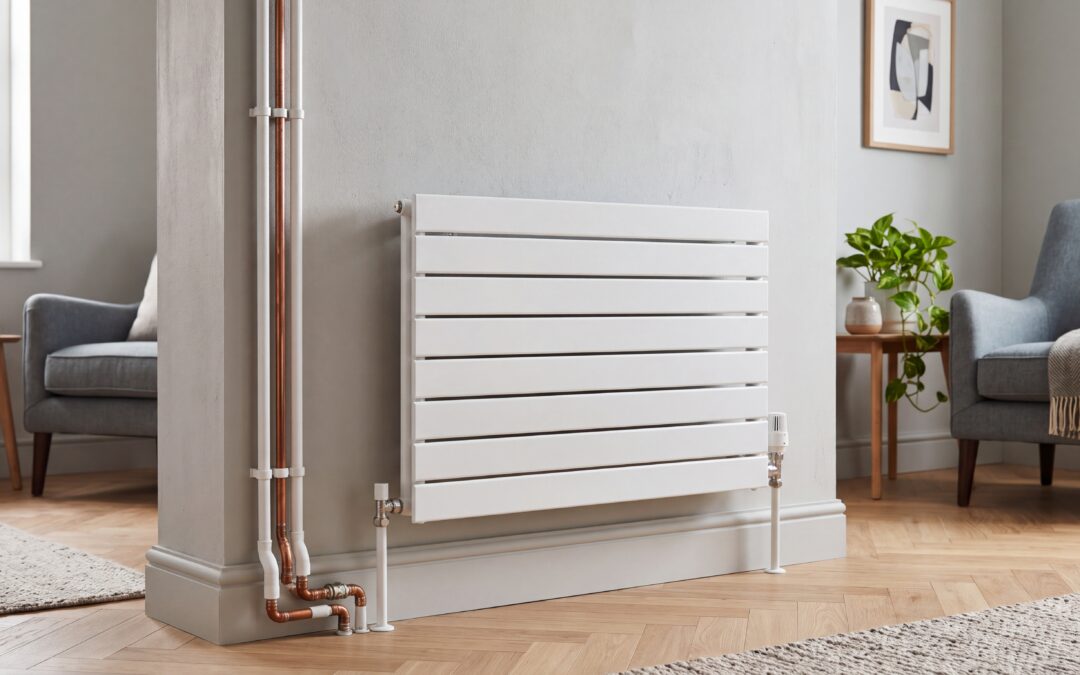
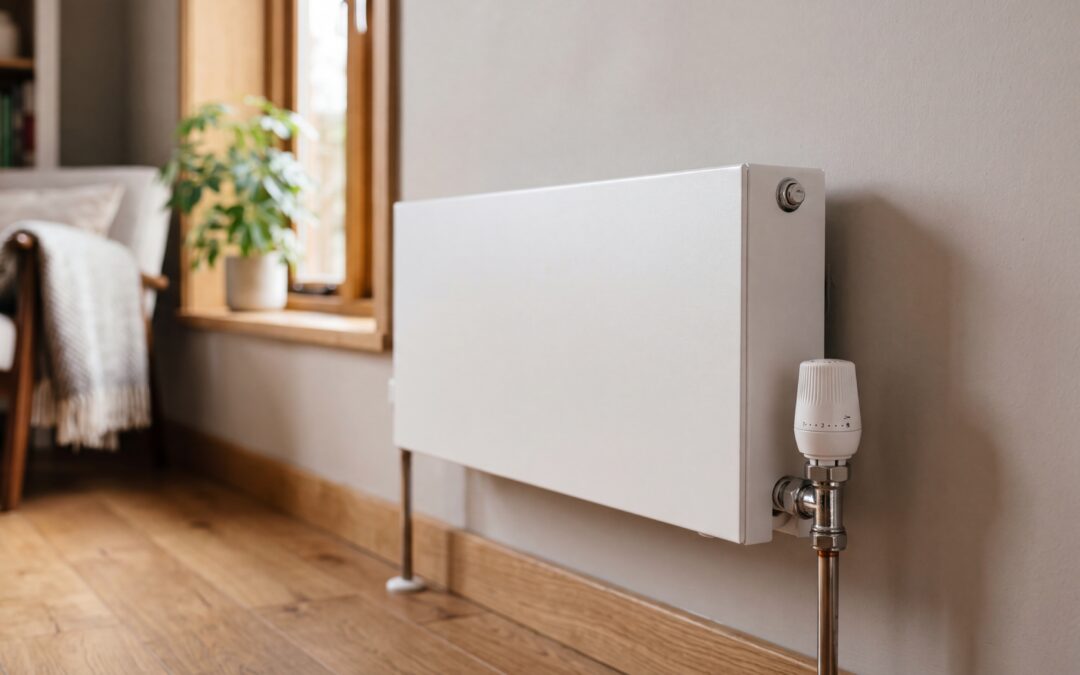
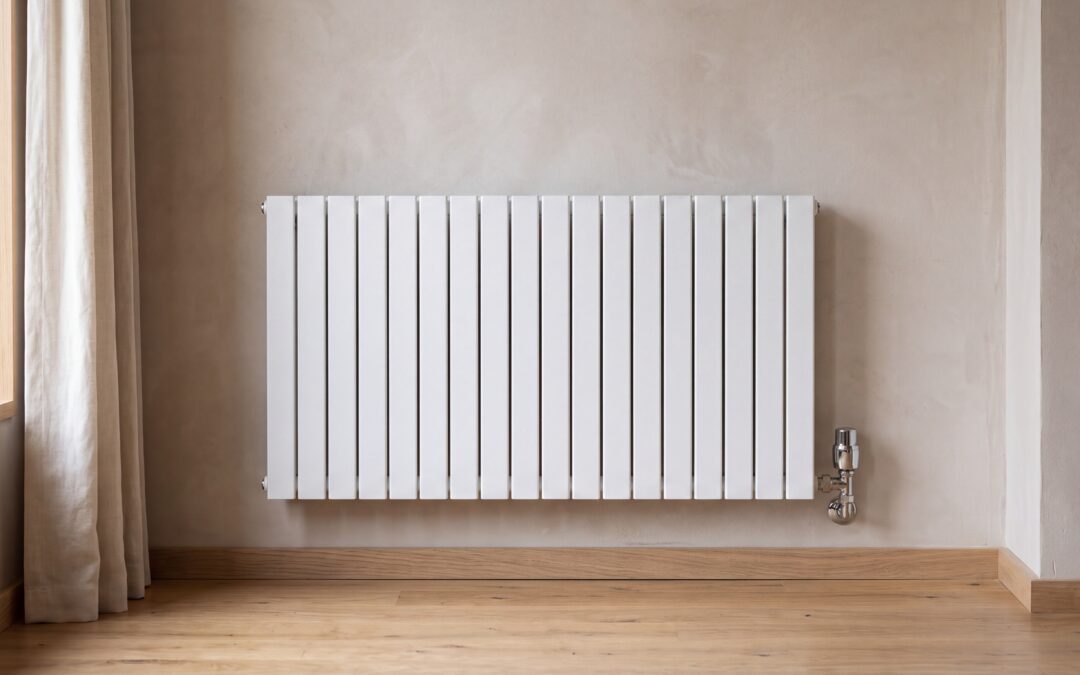
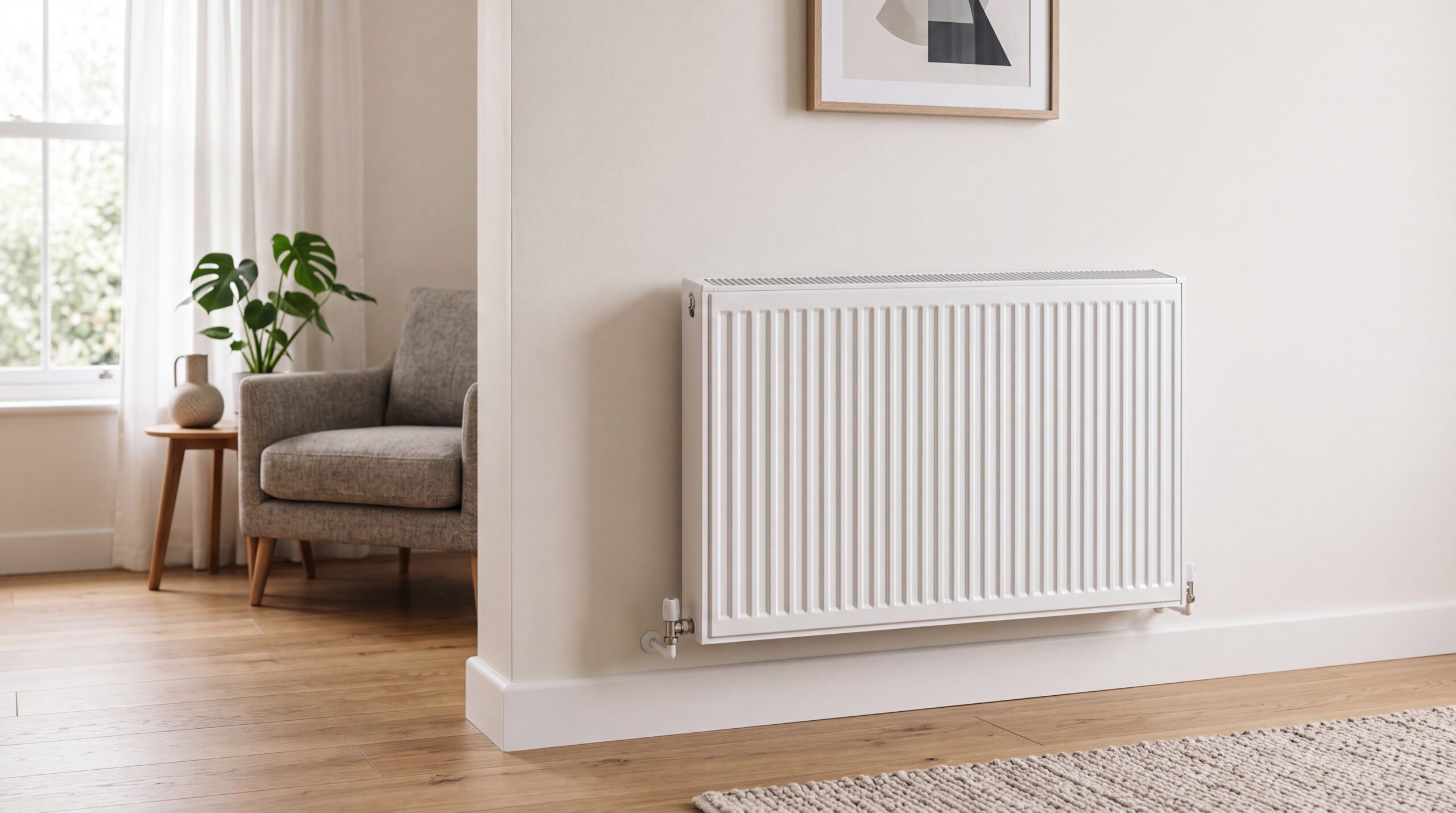
Traditional radiators often demand extremely high water temperatures to heat a room effectively. Modern hydronic radiators feature optimised surface areas and advanced convector fins, allowing them to emit consistent warmth even when powered by lower flow temperatures. This design drastically reduces energy consumption, whether paired with a modern condensing boiler or a heat pump system.
2. Install Smart Thermostats and Multi-Zone Controls
Heating unused rooms represents a substantial waste of energy. By integrating intelligent heating controls and thermostatic radiator valves (TRVs), you gain granular control over every zone in your home. Smart controls learn your daily routines, automatically lowering temperatures when spaces are unoccupied and ensuring energy is directed strictly where and when it is needed.
3. Transition to Future-Ready Heat Pump Technology
Air-source and ground-source heat pumps deliver exceptional seasonal performance by extracting thermal energy from ambient air or the ground. Transitioning to a heat pump represents a key step towards future-ready heating system upgrades that dramatically drop carbon output and long-term running costs. Furthermore, flexible financing options for heat pumps make capital investments far more accessible for residential properties.
4. Reduce Boiler Flow Temperatures
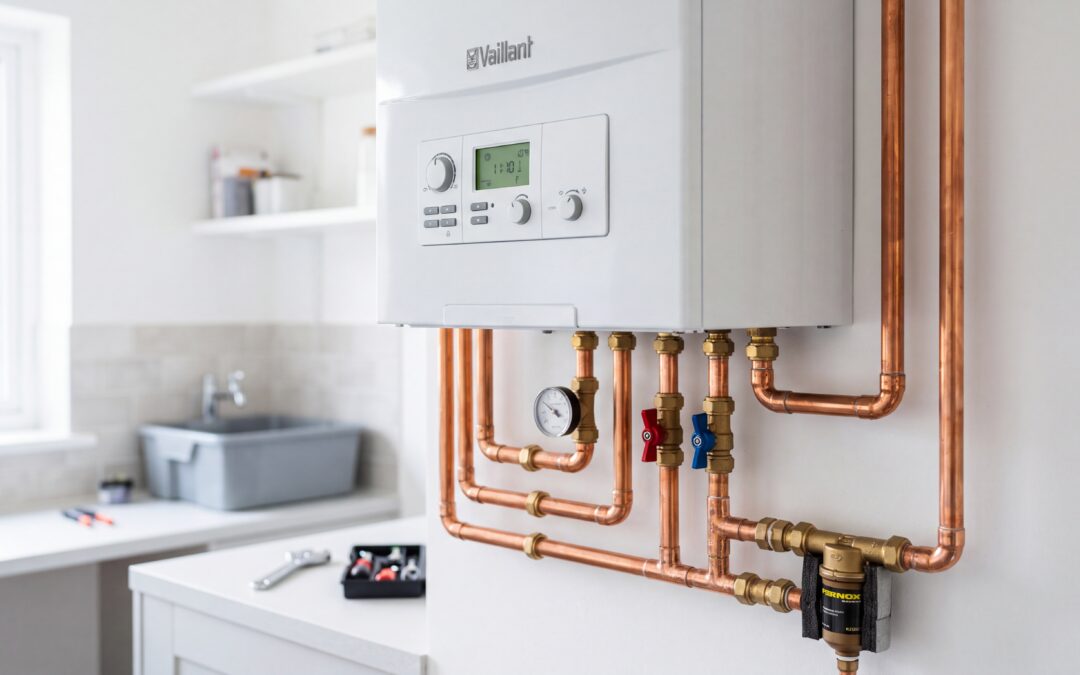
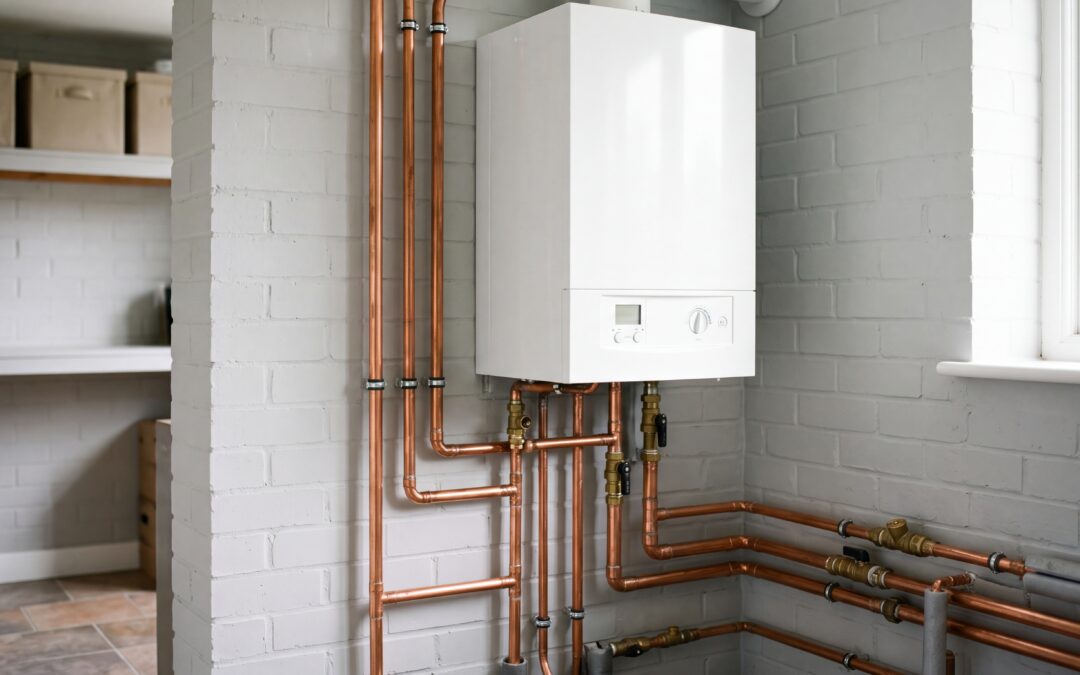
Many condensing boilers are configured by default to operate at flow temperatures around 70°C to 80°C. Lowering this operational threshold to approximately 55°C to 60°C allows the boiler to operate in its true condensing mode. This simple, zero-cost adjustment captures latent heat from water vapour, instantly boosting system efficiency without sacrificing indoor warmth.
5. Schedule Regular Annual Boiler Maintenance
Mechanical wear, debris accumulation, and sludge build-up within central heating pipework gradually degrade thermal efficiency. Scheduling annual professional servicing ensures that your boiler burns fuel cleanly and efficiently. Where necessary, carrying out a system powerflush removes magnetic oxide deposits, restoring rapid heat distribution across all radiators.
6. Prioritise Eco-Friendly Heating Upgrades
Comprehensive home improvements yield compounding savings over time. Implementing targeted eco-friendly heating upgrades helps maintain balanced indoor humidity and stable temperatures, which protects both building fabric and personal health while suppressing energy waste.
7. Strengthen Thermal Insulation and Draught-Proofing
Even the most efficient heating system will struggle if generated heat leaks rapidly through uninsulated walls, lofts, or draughty joinery. Fitting adequate loft insulation, cavity wall insulation, and draught-proofing around doors and windows retains warm air inside. Preventing thermal losses ensures your heating infrastructure operates less frequently and consumes far less energy overall.
Implementing these seven targeted strategies creates a resilient, highly efficient thermal environment in your home. By combining proactive system maintenance with modern efficiency measures, homeowners can maintain optimal indoor comfort while keeping annual heating bills firmly under control.