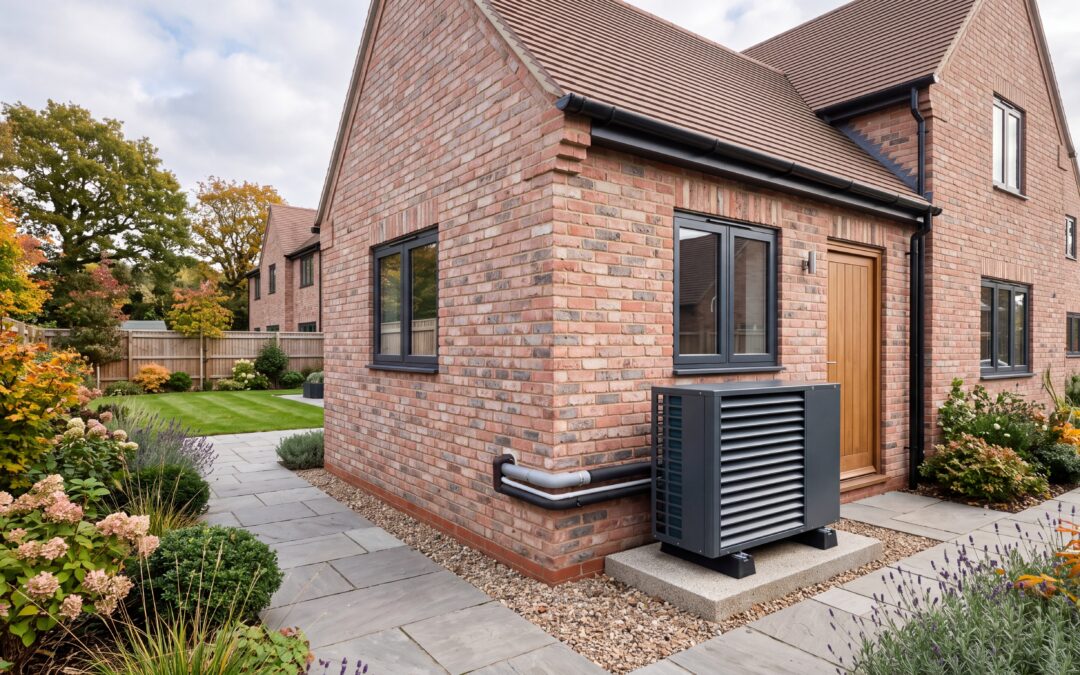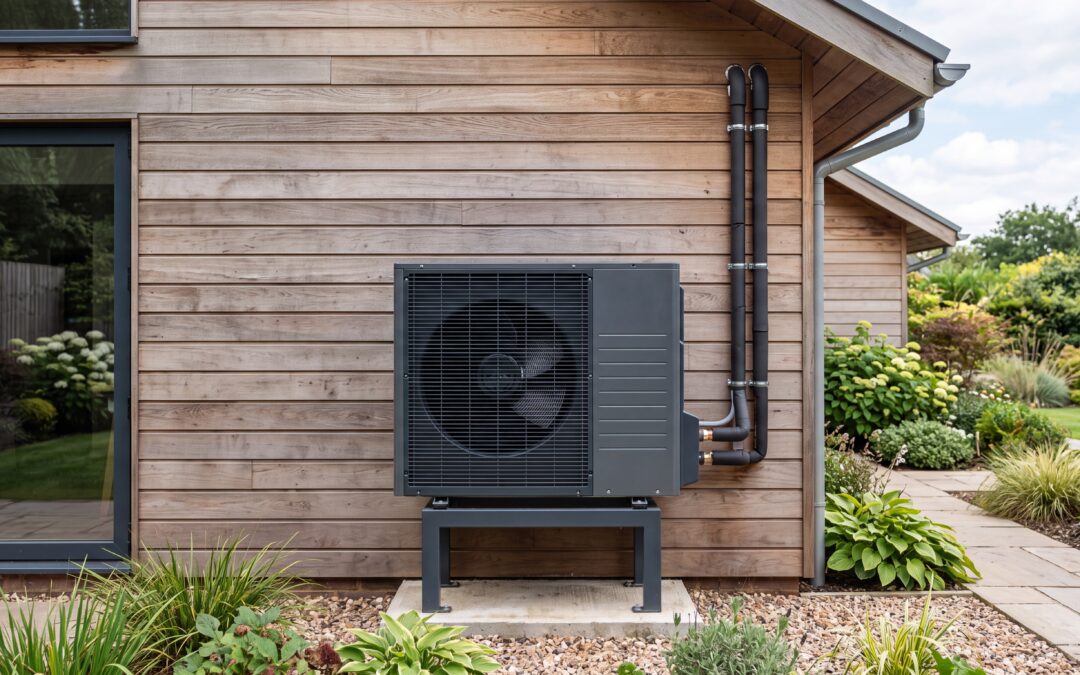
Retail assets across the UK are under mounting pressure from three converging forces: rising energy costs, tightening environmental standards, and shifting tenant expectations around comfort and sustainability. Aging heating, ventilation and air conditioning (HVAC) plant is often at the heart of the problem. Older boilers, air handlers and refrigeration systems consume more energy than contemporary equivalents, are more prone to breakdown, and can struggle to meet indoor air quality and temperature stability requirements demanded by modern retail operations.
From an asset management perspective, outdated building services create tangible financial risks:
-
Regulatory compliance and stranded-asset risk: Minimum Energy Efficiency Standards (MEES) already restrict the letting of sub-standard non‑domestic properties in England and Wales (currently those below EPC E), with policymakers signalling further tightening over time. In addition, the ongoing HFC phasedown under UK F‑Gas Regulation is driving up the cost and complexity of maintaining older refrigerant-based systems, and tightening leak detection and maintenance obligations. Waiting to react can leave landlords facing urgent, expensive replacement under less favourable conditions.
-
Operating expense and NOI: HVAC typically accounts for a significant share of a retail unit’s energy consumption. Replacing legacy boilers with high-efficiency condensing models, integrating weather compensation and zoning, deploying variable-speed drives for pumps and fans, and upgrading to heat recovery ventilation can materially reduce energy use. Lower operating costs directly improve net operating income (NOI) and asset yield.
-
Tenant demand and leasing momentum: Retailers are increasingly scrutinising EPC ratings, indoor air quality, and total occupancy costs. A comfortable, well-ventilated space with predictable running costs is easier to let and to keep let. Conversely, spaces that cannot maintain comfort in hot spells or that trigger frequent call-outs can damage trading and shorten lease terms.
-
ESG and lender expectations: Even where regulations are not yet binding, investors and lenders are pricing climate and transition risks into capital. A credible plan to modernise building services supports environmental, social and governance (ESG) objectives, underpins valuations, and may open access to preferential finance.
-
Business continuity: Ageing plant tends to fail at the worst time—peak season, during a heatwave or cold snap—causing operational disruption, emergency capex, and reputational harm. Proactive replacement, backed by robust maintenance, reduces unplanned downtime.
The commercial case is reinforced by technical realities. Many retail properties still rely on:
- Non‑condensing boilers nearing or beyond design life, with inefficient controls and imbalanced distribution circuits.
- Constant-volume ventilation without demand control or heat recovery, wasting fan energy and conditioned air.
- Packaged AC using legacy refrigerants that are increasingly costly to maintain and may face supply constraints.
- Manually controlled or outdated building management systems (BMS) that provide limited data for optimisation.
Targeted modernisation addresses these inefficiencies while preparing assets for future requirements. Practical measures include:
- High-efficiency, correctly sized condensing boilers from proven manufacturers (e.g., Worcester-Bosch, Vaillant, Ideal, Baxi), integrated with weather compensation, zoning and advanced programmable controls.
- Demand-controlled ventilation using CO₂ or occupancy sensors, with heat recovery (MVHR) to capture energy otherwise exhausted.
- Upgraded refrigerant-based systems that comply with current F‑Gas rules, designed to minimise leakage and facilitate maintenance.
- Variable-speed drives and electronically commutated (EC) motors for pumps and fans to match output to actual demand.
- Hydraulic optimisation, including system balancing and power flushing of heating circuits to restore design flow and maximise efficiency.
- Smart metering and sub‑metering to monitor consumption by zone or tenant, enabling transparent service charge allocation and continuous improvement.
- Water-saving plumbing upgrades in staff and customer washrooms to reduce utility costs and support sustainability credentials.
These interventions reduce energy intensity, improve comfort, and can lift a property’s EPC rating. The result is improved lettability, greater resilience against regulatory change, and preserved long-term value.
2. A practical roadmap for Essex retail assets—and how a local partner helps
Modernising building services need not be disruptive or opaque. For owners and facility managers—especially those who must coordinate works without unilateral decision-making authority—a structured, transparent process is essential.
-
Baseline and prioritise:
- Commission a plant condition survey and energy performance review to identify end-of-life assets, compliance gaps (e.g., gas safety, F‑Gas), and quick wins.
- Map interventions to regulatory exposure (MEES, F‑Gas obligations), business risk (single points of failure), and payback, so capital can be staged and justified.
-
Build a phased plan:
- Sequence works to minimise disruption to trading, using out-of-hours installation where necessary.
- Target seasonal windows (e.g., spring/autumn) for major plant changeovers to mitigate comfort risks.
- Develop a decarbonisation pathway that balances budget and practicality—e.g., immediate boiler upgrade with controls now, provision for low‑carbon heat or additional ventilation heat recovery later.
-
Specify proven solutions:
- Select equipment with strong warranty support (up to 10 years available on certain boilers) and local parts availability.
- Ensure solutions match site constraints: heritage fabric, restricted plant rooms, mixed-use precincts, or multi-tenant metering requirements.
-
Strengthen controls and data:
- Integrate user-friendly controls so store teams can maintain comfort without excessive energy use.
- Enable remote monitoring where appropriate, allowing proactive maintenance and faster fault diagnosis.
-
Assure compliance and safety:
- Implement Gas Safe–certified installations and annual gas safety certification.
- Maintain F‑Gas registers, leak checks and service documentation to satisfy legal duties and auditor expectations.
-
Finance and justify:
- Leverage capital allowances and consider lifecycle cost models that present total cost of ownership, not just capex.
- Where relevant, explore grants or lending products linked to energy performance improvement and ESG targets.
- Translate energy savings and risk reduction into NOI uplift to support investment committee decisions.
-
Lock in performance:
- Move from reactive to planned preventive maintenance (PPM), with service-level response aligned to trading needs and seasonal risk.
- Use power flushing, water treatment, and periodic system balancing to preserve efficiency gains over time.
For assets across Brentwood and the wider Essex region—Upminster, Hornchurch, Southend and surrounding areas—a capable local partner can be the difference between a smooth upgrade and a disruptive project. Brentwood Heating Ltd offers a practical, end‑to‑end approach tailored to busy property owners and facilities teams:
-
Rapid, reliable response: 24/7 emergency support protects trading and tenant relationships when issues do arise, while fast surveys and quotations keep planned programmes on track.
-
Certified expertise: All engineers are Gas Safe registered and experienced in both domestic and commercial environments. This ensures compliant installations, safe commissioning, and accurate gas safety certification.
-
Fit‑for‑purpose specifications: The team works across a range of leading boiler and plant brands—Worcester-Bosch, Vaillant, Ideal, Baxi—so solutions can be matched to budget, footprint and performance requirements. Where hydronic systems underperform, power flushing restores efficiency before new plant is commissioned.
-
Transparent process: From initial assessment through to handover, clients receive clear scopes, timelines and costs. While pricing is tailored to each property, quotations are structured to enable like‑for‑like comparison and board approval.
-
Minimal disruption: Works can be scheduled out of hours to respect trading, with tidy, respectful practices on site—an important consideration in live retail environments.
-
Long-term assurance: Attractive manufacturer guarantees on new plant, combined with planned maintenance and responsive call-out cover, reduce lifecycle risk and help owners evidence robust stewardship to lenders and investors.
-
Broader building services support: Beyond plant rooms, Brentwood Heating also addresses everyday plumbing, water-saving upgrades for customer washrooms, and blocked drainage, ensuring that frontline operational issues do not undermine tenant satisfaction.
For facility managers who must advocate for investment without full decision rights, a clear business case is crucial. Three points often resonate with owners:
1) Compliance risk is rising, not falling. Proactive replacement avoids the cost premium and downtime associated with urgent, unplanned change.
2) Energy savings are bankable. Upgraded HVAC and controls deliver measurable reductions in consumption, improving NOI and asset yield.
3) Tenant and market expectations are shifting. Better comfort, air quality and EPC ratings support lease-up, retention and rental tone.
In short, targeted modernisation of heating, ventilation and associated plumbing systems is one of the most effective ways to protect and enhance the value of retail property. It reduces operating costs today while preparing assets for tomorrow’s standards, improves shopping comfort and staff productivity, and signals credible ESG progress to the market. With a local, Gas Safe–certified partner supporting from assessment through to installation and maintenance, owners can execute with confidence—protecting asset value across Brentwood and the wider Essex retail landscape.