Managing domestic energy consumption remains a principal objective for property owners across the UK. In an era characterized by volatile wholesale fuel prices and an accelerating national transition towards net-zero carbon emissions, achieving true energy-efficient heating requires a holistic appreciation of how thermal energy is generated, distributed, and retained. Rather than relying solely on reactive boiler replacements, modern homeowners must focus on systemic optimization to secure sustained comfort and reduce utility bills.
Redefining Distribution: The Transition to Low-Temperature Systems
Historically, British residential heating systems have operated on high-temperature distribution profiles, circulating water at 75°C or higher through narrow pipework to small radiators. While this delivers rapid bursts of heat, it is highly inefficient. To achieve genuine central heating efficiency, there must be a fundamental shift toward low-temperature hydronic design.
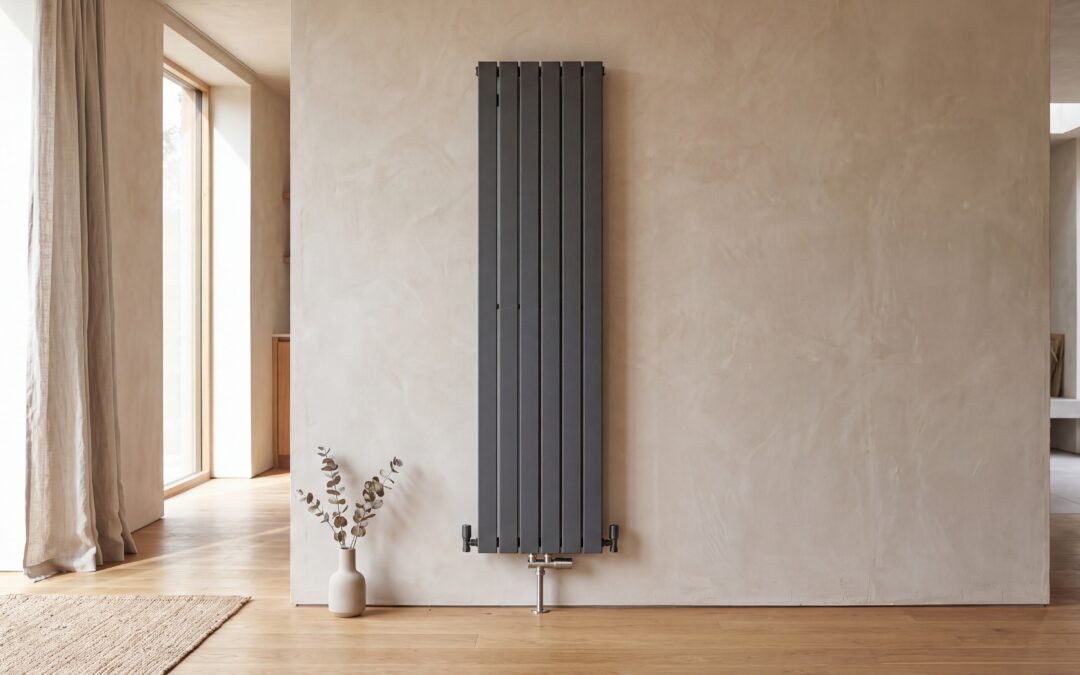
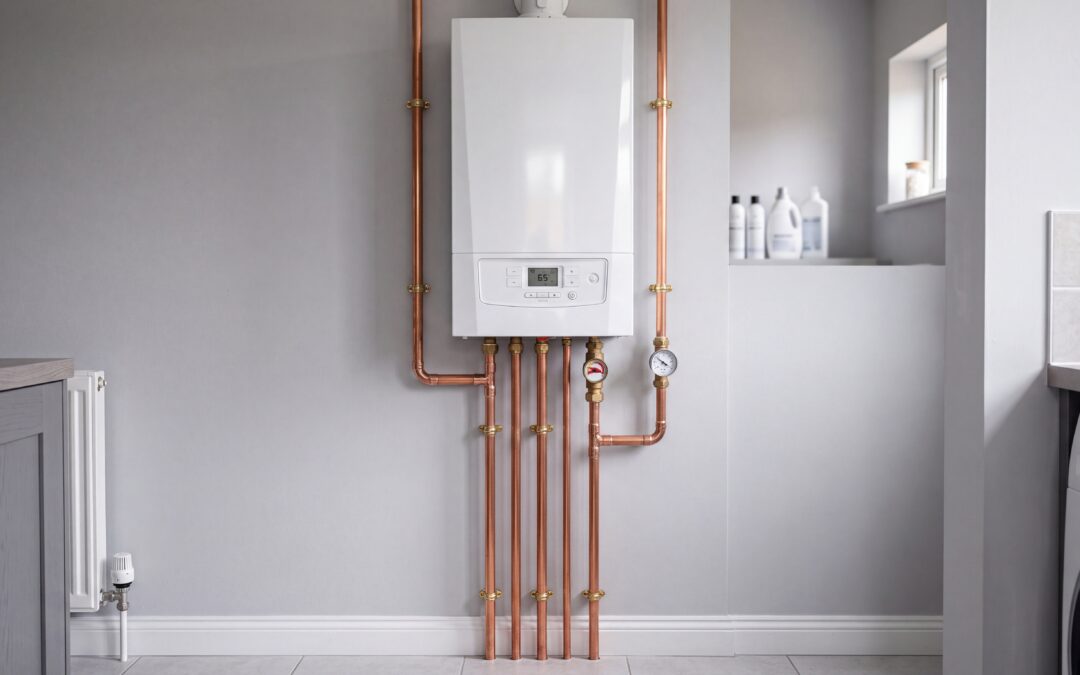
By lowering the design flow temperature of a heating system—typically to between 35°C and 55°C—modern condensing gas boilers can operate in their highly efficient condensing mode continuously. Furthermore, this lower temperature threshold is critical for the optimal coefficient of performance (COP) of low-carbon technologies like air-source heat pumps. To facilitate this transition without sacrificing thermal comfort, many properties are upgrading their heat emitters. This trend is analyzed in depth in our guide to low-temperature smart heating solutions, which details how modern hydronic radiators utilize convector fins and larger surface areas to distribute heat efficiently and evenly without requiring excessively hot water.
Hydronic Balancing and Intelligent Control
Upgrading physical hardware is only one side of the coin; sophisticated system management is equally vital. Without correct hydraulic balancing, hot water naturally follows the path of least resistance, leaving radiators furthest from the boiler cold while short-cycling the heat source. Correctly balancing the system ensures a uniform temperature differential across all emitters, preventing energy waste.
Additionally, the integration of smart controls—such as weather compensation sensors and load-compensating thermostats—allows heating systems to adjust dynamically to internal and external conditions. Valuable operational insights can be drawn from large-scale commercial retrofits. For example, the engineering principles behind transitioning from steam to smart heat in institutional environments demonstrate how zoning, intelligent pump speed modulation, and real-time telemetry can dramatically lower energy consumption while stabilizing indoor climates.
A Fabric-First Approach to Future-Proofing
Maximizing the return on investment from high-efficiency heating upgrades requires minimizing the thermal load of the building itself. This strategy aligns with broader international standards; policy initiatives such as the EU efficiency drive emphasize that heating modernization must go hand-in-hand with structural improvements. By prioritizing high-performance insulation, double or triple glazing, and comprehensive draught-proofing, homeowners ensure that their newly optimized heating systems are not fighting against a leaky building envelope.
Ultimately, establishing sustainable, energy-efficient heating in the UK requires moving away from piecemeal upgrades and embracing integrated system design. Through a combination of low-flow temperatures, hydronic balance, and intelligent controls, residential properties can achieve exemplary thermal performance and lower operational costs for decades to come.