Water ingress is one of the most insidious threats to the structural integrity and financial value of a residential property. While sudden, catastrophic floods command immediate attention, minor, undetected escapes of water often cause the most extensive damage over time. Prioritising and executing proactive measures for preventing water leaks is an essential responsibility for any homeowner looking to avoid costly structural remediation and escalating insurance premiums.
Proactive Internal Inspections
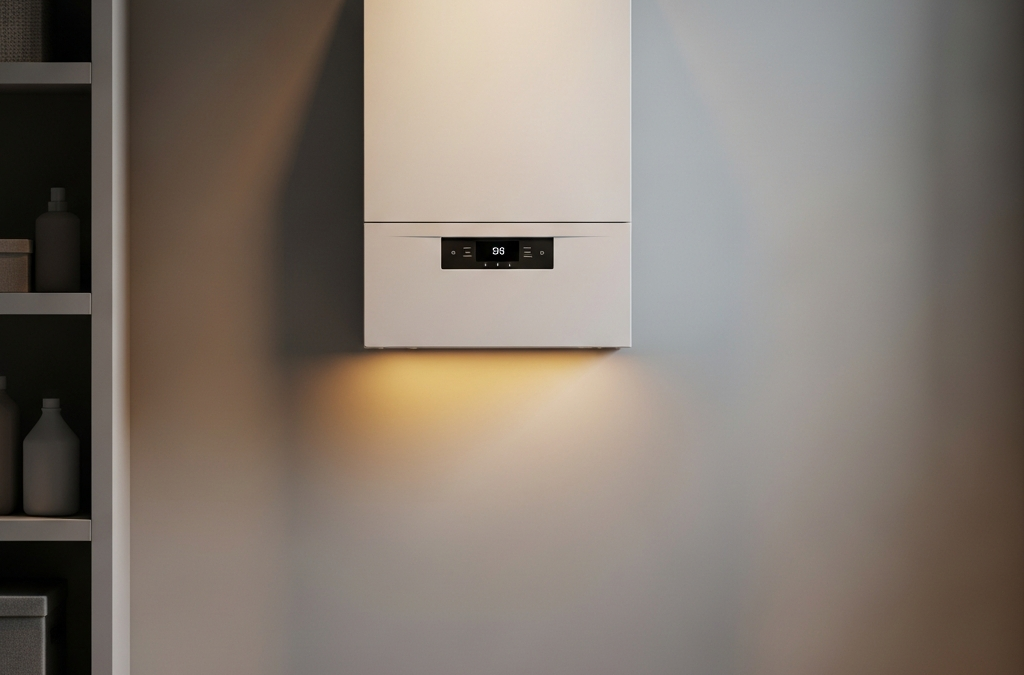
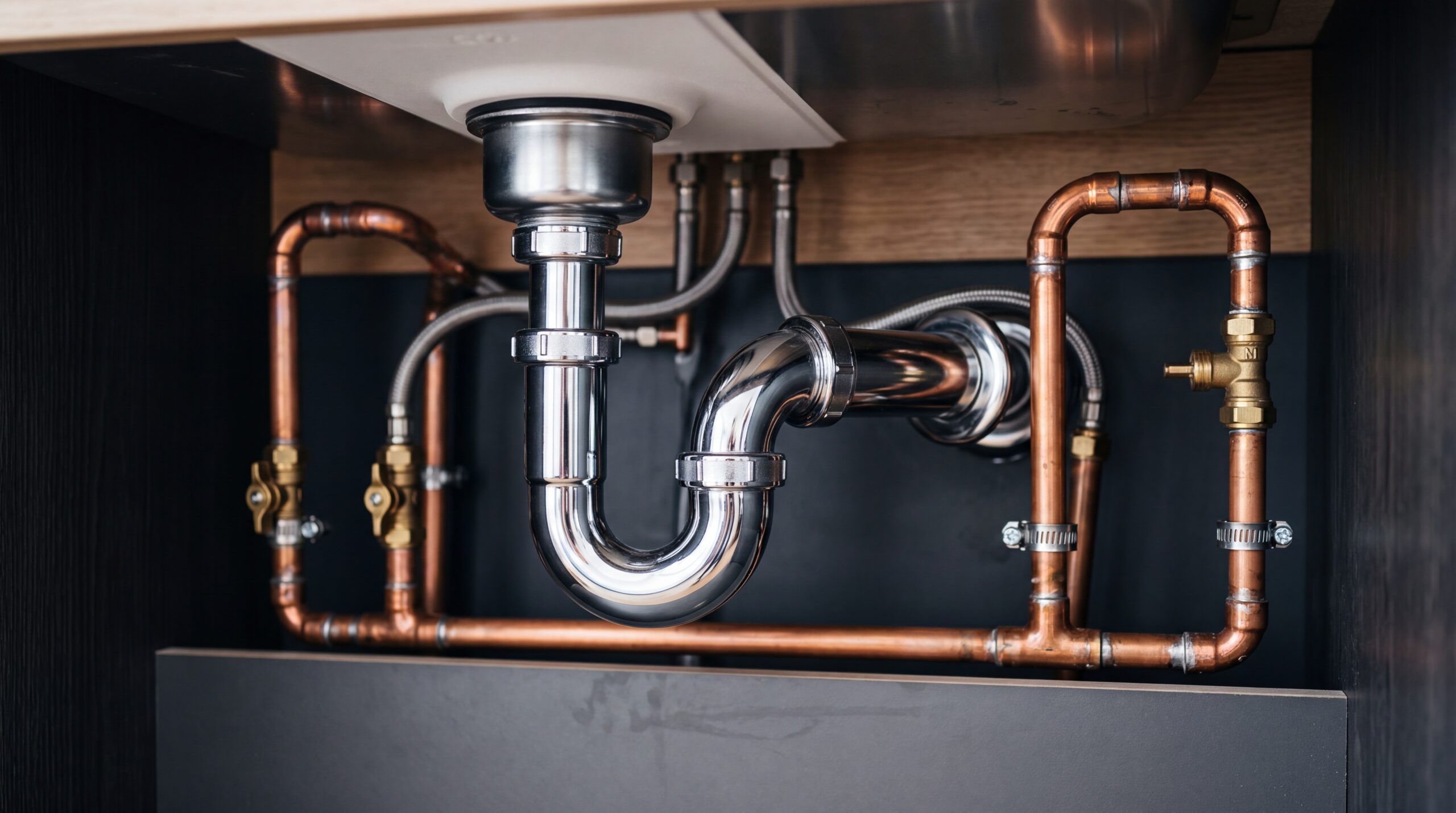
The primary defence against water damage is a systematic regime of visual inspections. Homeowners should regularly examine high-risk areas, such as underneath kitchen and bathroom sinks, surrounding utility connections, and behind household appliances. Over time, flexible tap connectors and washing machine hoses can degrade, leading to sudden ruptures. Additionally, checking your boiler’s system pressure is critical; a consistent drop in pressure often signals a slow, hidden leak within your heating circuit.
It is equally wise to conduct these assessments before leaving your home unoccupied for extended periods. Implementing a comprehensive checklist, such as undertaking essential plumbing and heating checks before you go on holiday, can safeguard your property from undetected failures while you are away, ensuring you do not return to a costly disaster.
Seasonal Safeguards and Pipe Protection
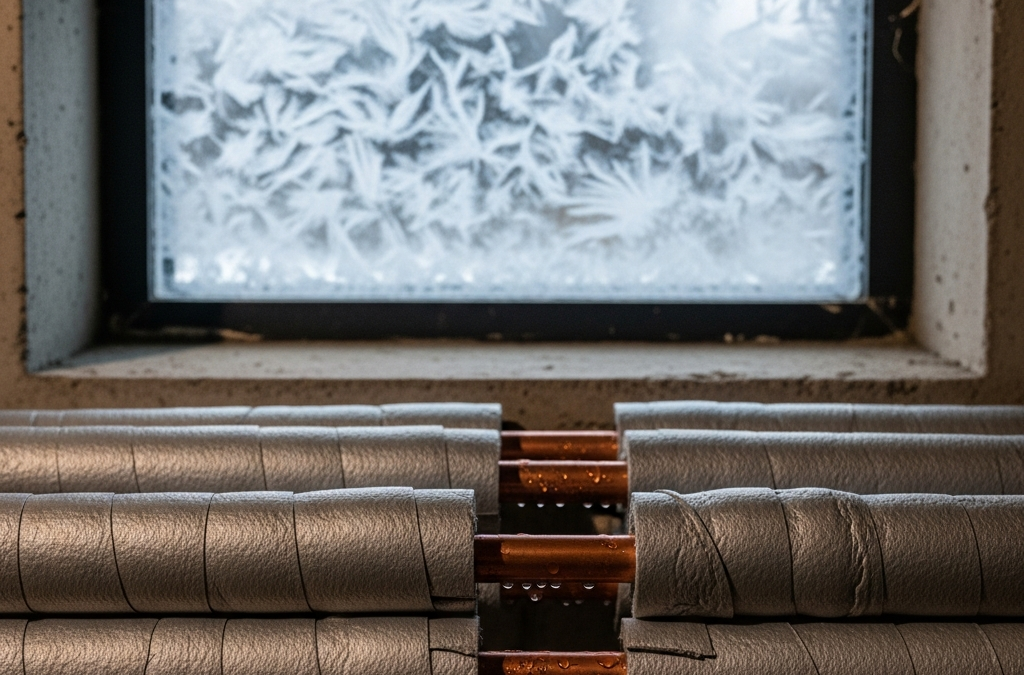
Environmental factors present distinct challenges to residential pipework, particularly during the colder months of the year. When water freezes inside uninsulated pipes, it expands, exerting immense pressure that can easily split copper or plastic conduits. Once the ice thaws, water flows unimpeded into the property, resulting in severe flooding.
To mitigate this risk, ensuring adequate thermal insulation – or lagging – is applied to all external and unheated internal pipework (such as in lofts or garages) is paramount. Thorough plumbing winter preparation is a highly effective way to insulate your home from the destructive consequences of burst frozen pipes.
Knowing Your System and Handling Emergencies
Despite meticulous preventative maintenance, mechanical components can fail. In such scenarios, the severity of the damage is directly dictated by your speed of response. Every occupant must know the precise location of the main stopcock and verify that it remains fully operational, as these valves can seize over time if not periodically turned.
If you suspect a failure has occurred, swift intervention is critical. Understanding what to do in a plumbing emergency can prevent a minor drip from cascading into a structural crisis. Familiarising yourself with the protocols for handling common plumbing emergencies before help arrives equips you to isolate the water source and protect your possessions. Should the worst occur, having a plan for fast recovery after a leak or flood will help mitigate long-term structural issues, such as dry rot and mould growth.
The Value of Professional Inspections
Ultimately, while visual checks are invaluable, some leaks remain hidden behind wall cavities or beneath floorboards. Investing in professional leak detection and regular plumbing maintenance not only provides peace of mind but also preserves the long-term value of your home. By taking preventative action today, you can break the stressful cycle of emergency repairs and ensure your home remains safe, dry, and secure.